Strength Training for Teens
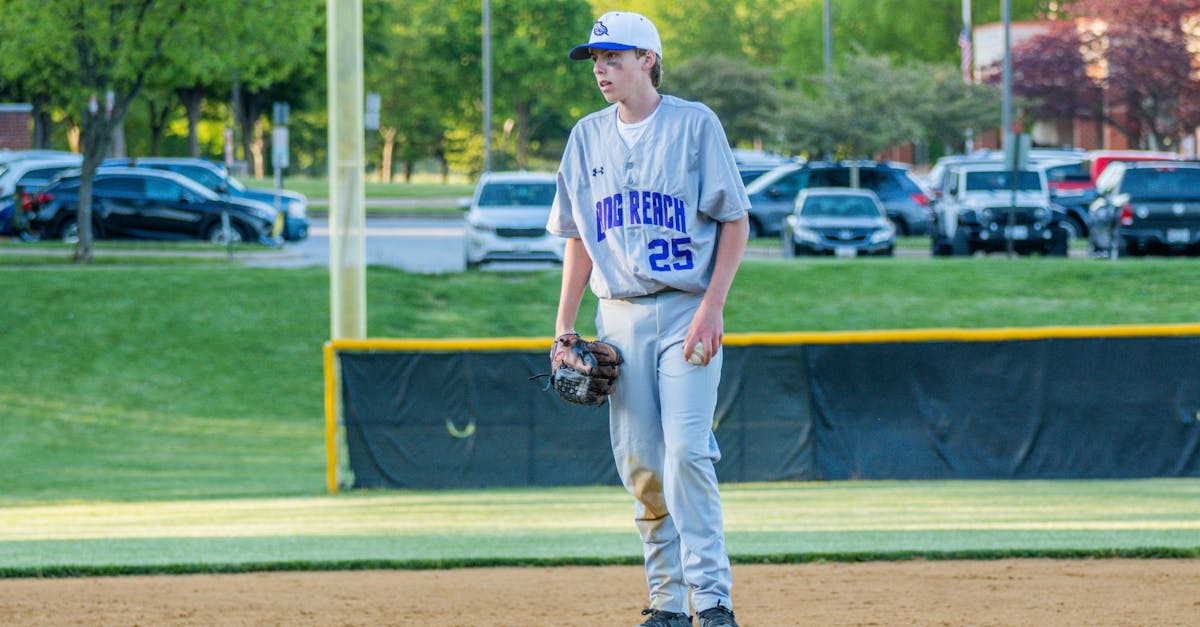
Contrary to old myths, strength training is safe and beneficial for teenagers when done properly. Research shows that supervised resistance training improves athletic performance, builds bone density during crucial developmental years, and reduces sports injury risk. What's more, teens who develop healthy exercise habits are more likely to maintain them into adulthood. This program teaches proper technique while building real strength.
Why Teens Should Strength Train
The old belief that strength training stunts growth has been thoroughly debunked. Multiple studies show no negative effects on growth plates when training is done with proper form and appropriate loads. In fact, the bone-building effects of resistance training during adolescence provide benefits that last a lifetime.
Teenagers are in a unique position physiologically. Natural growth hormone and testosterone levels are elevated, making this an ideal time to build foundational strength. Teens who strength train see rapid improvements in both strength and coordination.
Beyond physical benefits, strength training builds confidence and discipline. Learning to set goals, work consistently, and see measurable progress teaches life skills that extend far beyond the gym.
Benefits for Teenage Athletes
Improved Athletic Performance
Strength training improves speed, power, and endurance in virtually every sport.
Reduced Injury Risk
Strong muscles protect joints and reduce the likelihood of sports injuries.
Better Bone Development
Resistance training during adolescence builds bone density that provides lifelong protection.
Healthy Body Composition
Building muscle while young establishes metabolic health and prevents obesity.
Increased Confidence
Getting stronger builds self-esteem and body confidence during challenging teenage years.
Lifelong Habits
Teens who exercise are more likely to remain active as adults.
Program Overview
Who it's for: Teenagers 13-18 looking to build strength safely
Don't have all this equipment? GymFriend can build you a custom program using whatever you have available.
Why These Exercises?
Each exercise in this program was selected for a specific reason. Here's why:
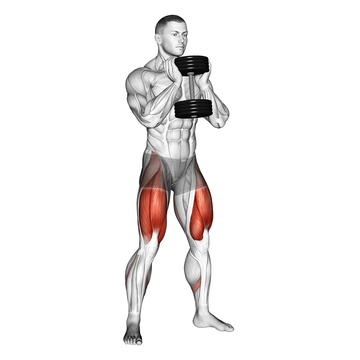
Dumbbell Goblet Squat
Teaches proper squat mechanics in a safe, controlled way before progressing to barbell squats.
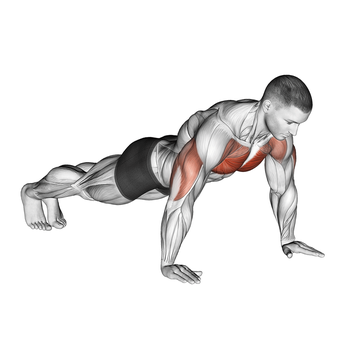
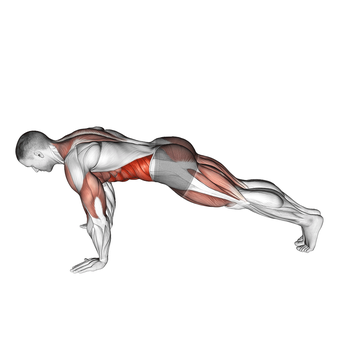
Push-up
Fundamental pushing movement that builds chest and arm strength using bodyweight.
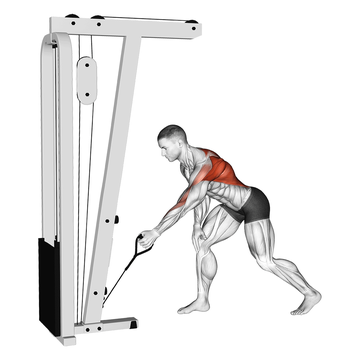
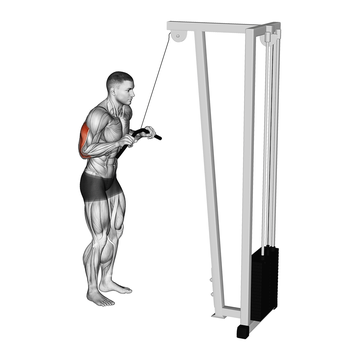
Cable One Arm Bent Over Row
Builds back strength and teaches pulling mechanics important for posture and athletics.
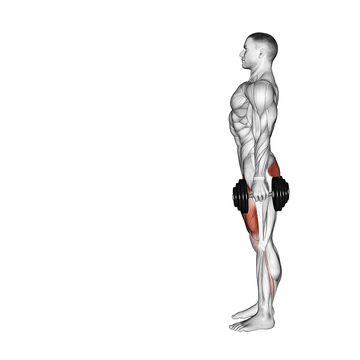
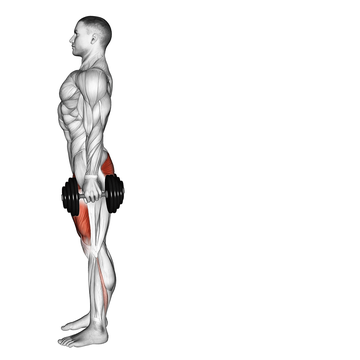
Barbell Romanian Deadlift
Develops posterior chain strength and hip hinge pattern crucial for athletic movements.
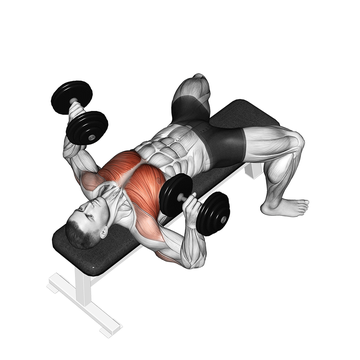
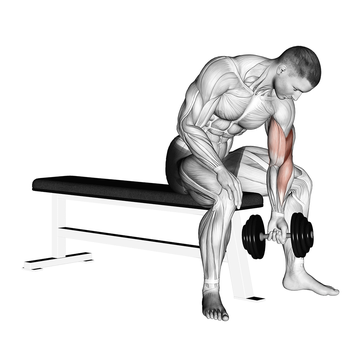
Dumbbell Bench Press
Builds upper body pressing strength with free weights that develop stabilizer muscles.
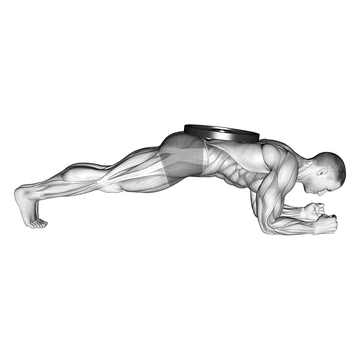
Weighted Front Plank
Core stability is the foundation for all athletic movements and injury prevention.
The Complete 3 days with rest days between Program
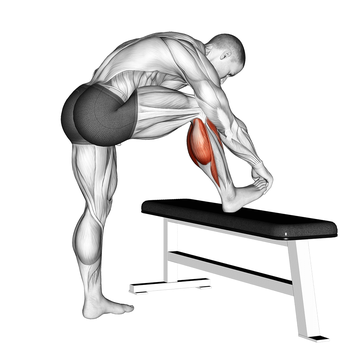
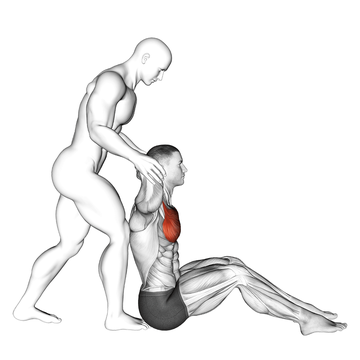
Follow this program consistently for best results. Start with weights that feel manageable and aim to increase gradually each week as you get stronger.
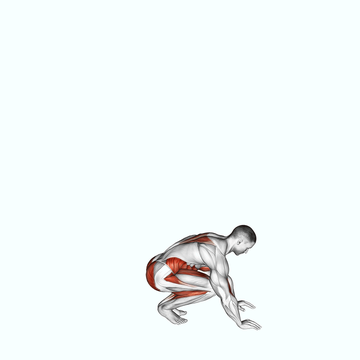
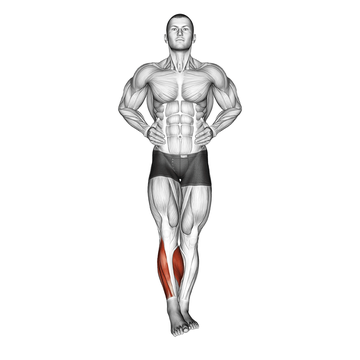
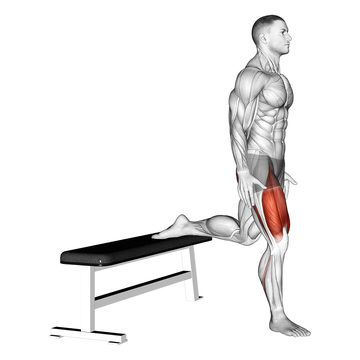
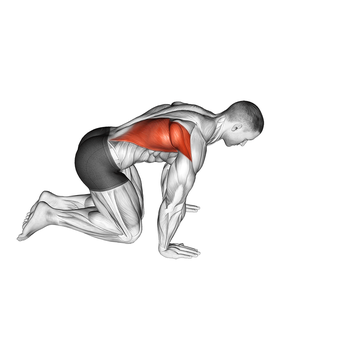
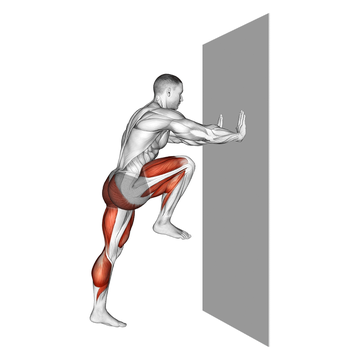
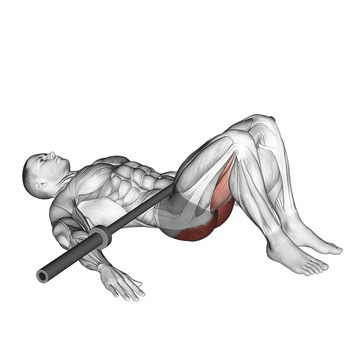
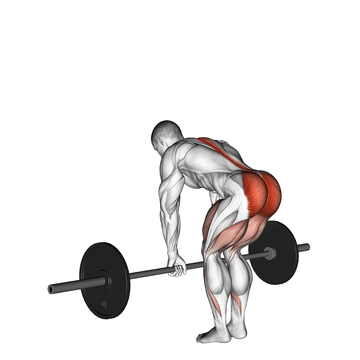
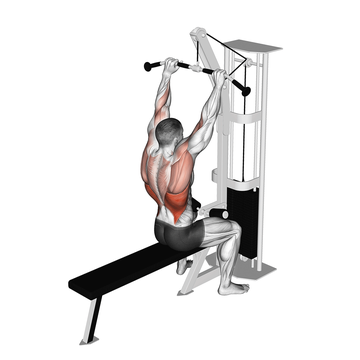
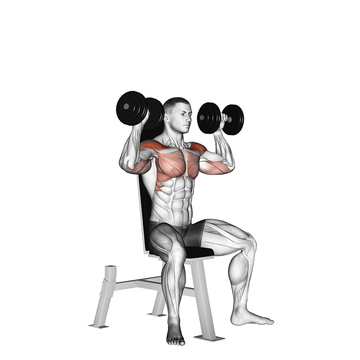
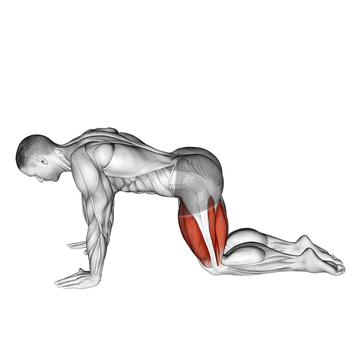
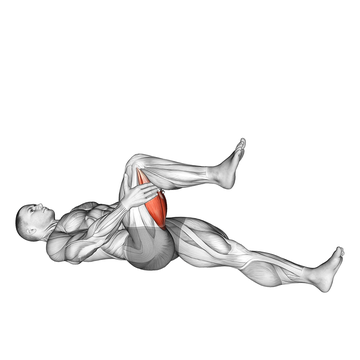
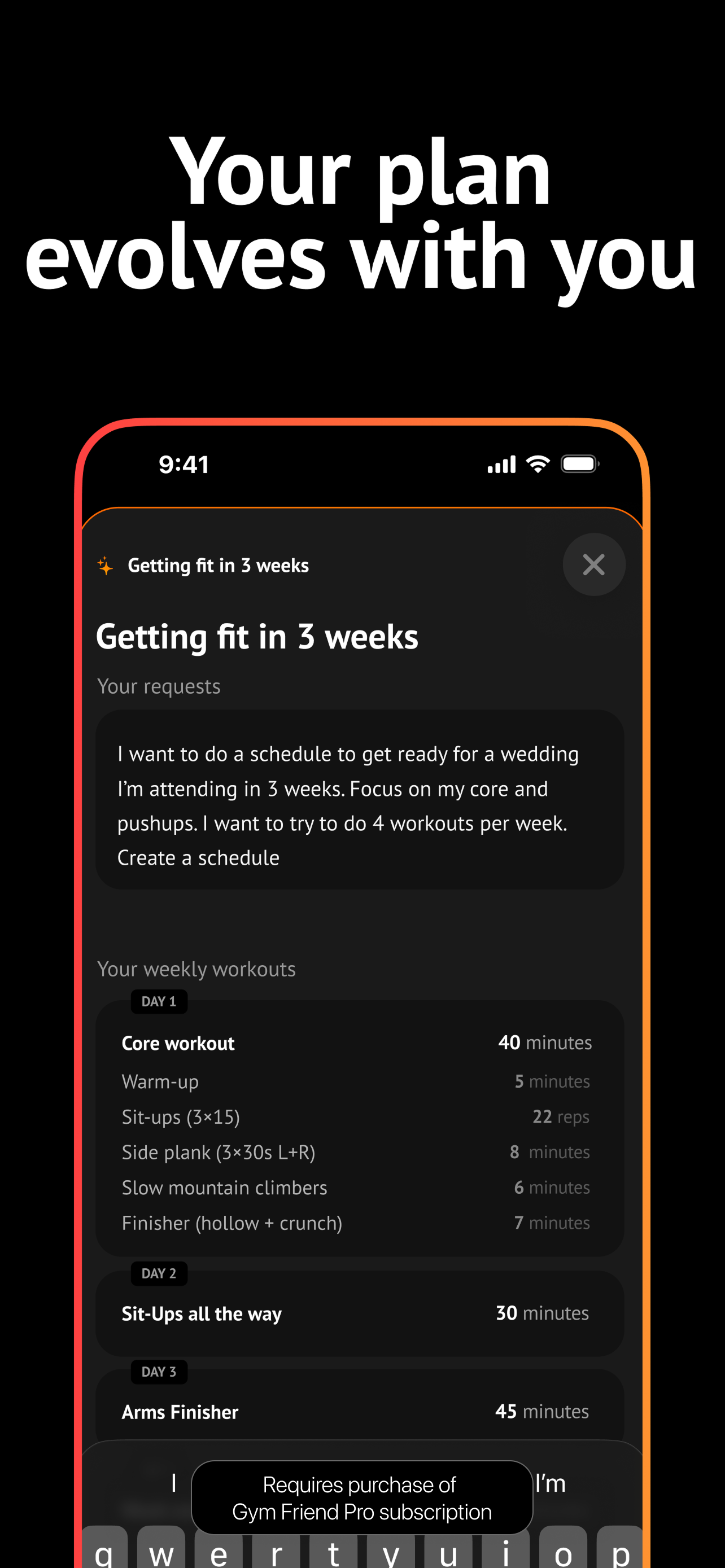
Want this program adjusted for your fitness level, goals, or schedule? GymFriend can create a personalized version just for you.
Getting Started Safely
- Focus on learning proper form before adding weight. Technique is everything at this stage.
- Start with lighter weights than you think you need. Your strength will increase rapidly with proper training.
- Don't compare yourself to others. Everyone develops at different rates during teenage years.
- Warm up thoroughly before every workout. Young athletes often skip this—don't.
- Get enough sleep. Growth hormone is released during sleep, and teens need 8-10 hours.
- Eat enough protein and calories. Growing bodies need fuel to build muscle.
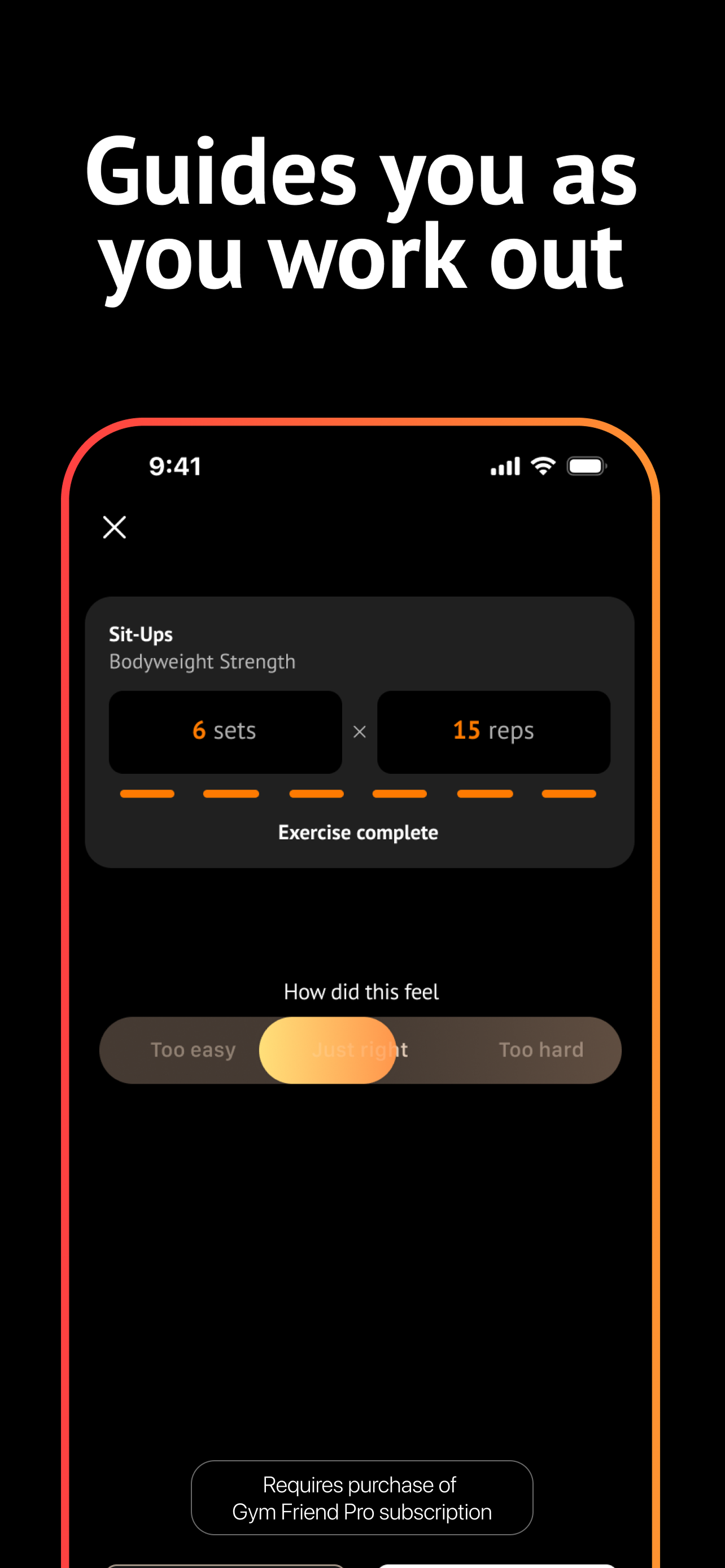
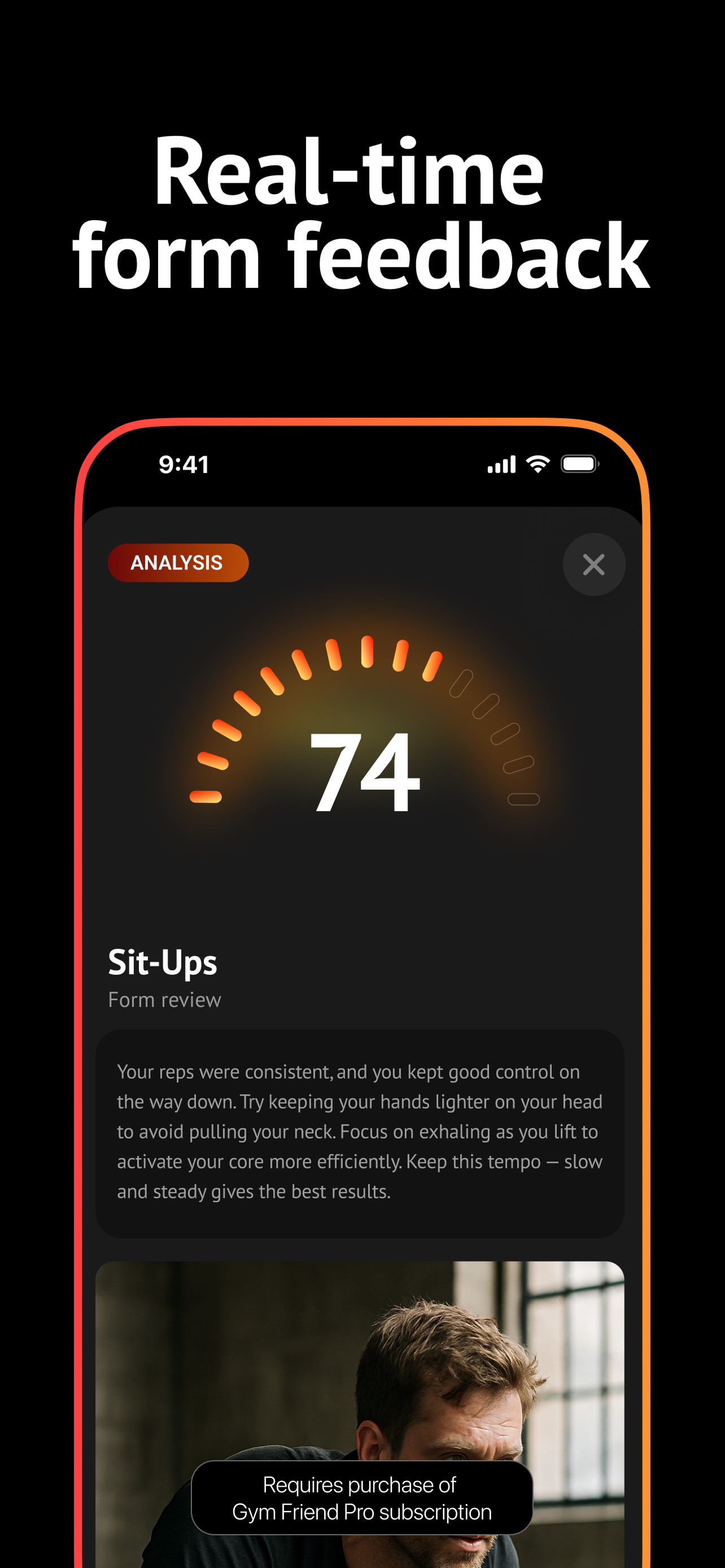
Edit your plan, track progress, and get realtime coaching
Frequently Asked Questions
Will strength training stunt my growth?
No. This is a myth that has been thoroughly disproven by research. Proper strength training does not harm growth plates and actually promotes healthy bone development.
How heavy should I lift?
Start with weights you can lift for 10-15 reps with perfect form. As technique improves, you can gradually increase weight. Never sacrifice form for more weight.
Can I strength train if I play sports?
Yes, and you should. Strength training improves athletic performance and reduces injury risk. Schedule lifting on non-game days and reduce intensity during competitive seasons.
Do I need supplements?
No. Teenagers can build muscle effectively with a balanced diet including adequate protein (0.7-1g per pound of bodyweight). Whole foods are better than supplements at this age.
How quickly will I see results?
Strength gains come quickly for beginners—often within 2-3 weeks. Visible muscle changes take 6-8 weeks. Teenage hormones support rapid progress when training and nutrition are consistent.