Strength Training for Women Over 50
Strength training after 50 isn't about trying to look like you did at 25—it's about living your best life for the next 30+ years. Women lose muscle mass at an accelerating rate after menopause, and without intervention, this leads to weakness, falls, fractures, and loss of independence. The good news? Strength training can reverse this trajectory at any age. Women in their 50s, 60s, 70s, and beyond can build significant muscle, increase bone density, and dramatically improve their quality of life. This program is designed specifically for women over 50, with appropriate progressions, joint-friendly exercises, and a focus on functional movements that translate to everyday activities.
Why Strength Training Matters After 50
After menopause, women lose estrogen's protective effects on muscle and bone. Without strength training, women typically lose 3-8% of muscle mass per decade after 30, and this accelerates after 60. This muscle loss (sarcopenia) directly impacts your metabolism, balance, and ability to perform daily activities.
Bone density also decreases significantly, with women losing up to 20% of bone mass in the 5-7 years following menopause. Strength training is one of the few interventions proven to not only slow bone loss but actually increase bone density, dramatically reducing fracture risk.
Beyond the physical benefits, strength training improves cognitive function, reduces symptoms of anxiety and depression, and provides a sense of accomplishment and empowerment. It's never too late to start, and the benefits begin appearing within weeks of consistent training.
The key is choosing appropriate exercises, starting conservatively, and progressing gradually. This program focuses on compound movements that build functional strength while protecting your joints.
Benefits of Strength Training for Women Over 50
Increased Bone Density
Weight-bearing and resistance exercises stimulate bone formation, reducing osteoporosis risk and fracture likelihood.
Maintained Muscle Mass
Strength training is the only effective way to combat age-related muscle loss, keeping you strong and capable.
Better Balance and Stability
Stronger muscles and improved proprioception significantly reduce fall risk—a major concern for women over 50.
Improved Metabolism
Muscle tissue burns more calories at rest than fat, helping manage weight during and after the metabolic changes of menopause.
Reduced Joint Pain
Strengthening muscles around joints provides better support, often reducing arthritis symptoms and chronic pain.
Enhanced Mental Health
Regular strength training reduces anxiety, improves sleep, and provides cognitive benefits that may delay age-related decline.
Greater Independence
The ability to carry groceries, climb stairs, get up from chairs, and play with grandchildren depends on maintaining your strength.
Program Overview
Who it's for: Women over 50, from beginners to those returning to exercise after a break
Want a program built for you?
Petite Strength creates a personalized program based on your equipment, body type, and goals.
Create Your Program30 secWhy These Exercises?
Each exercise in this program was selected for a specific reason. Here's why:
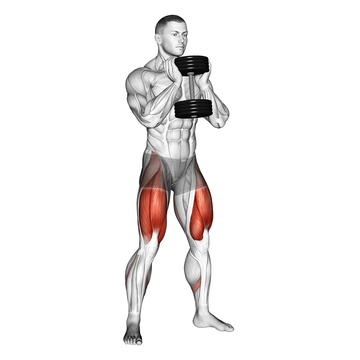
Dumbbell Goblet Squat
The goblet squat is easier on the back than barbell squats while effectively building leg strength for sitting, standing, and stair climbing.
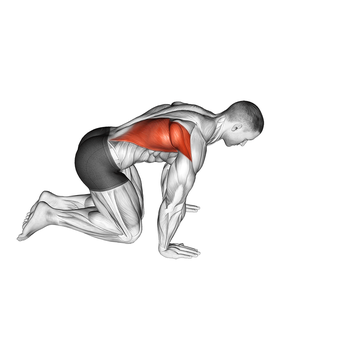
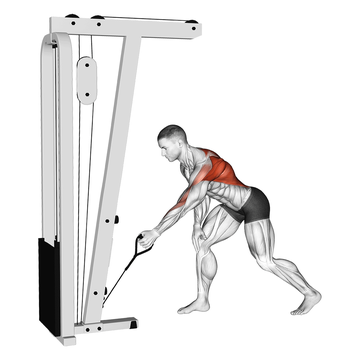
Cable One Arm Bent Over Row
Strengthens the upper back and improves posture, counteracting the forward-rounded shoulders common with age.
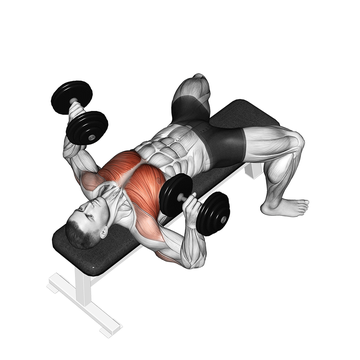
Dumbbell Bench Press
Builds chest and arm strength for pushing movements while allowing natural shoulder movement.
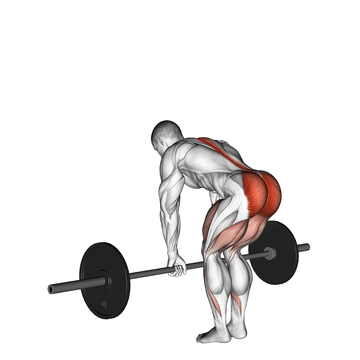
Barbell Romanian Deadlift
Strengthens the hamstrings and glutes while teaching proper hip hinge mechanics for safe lifting and bending.
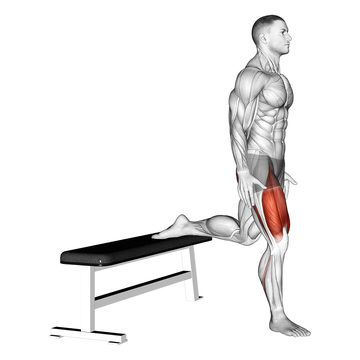
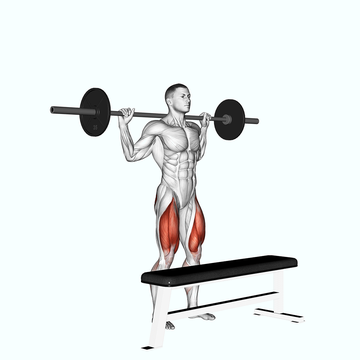
Barbell Step-up
Directly improves stair climbing ability and single-leg balance—essential for fall prevention.
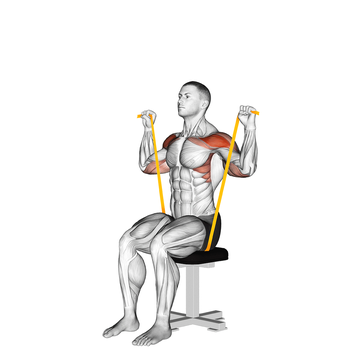
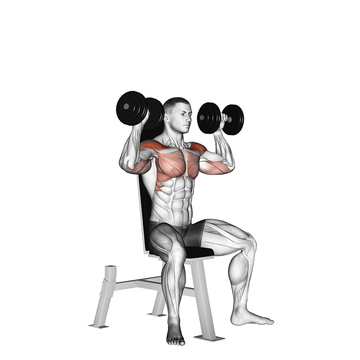
Dumbbell Seated Shoulder Press
Builds shoulder strength for overhead reaching and lifting while providing back support.
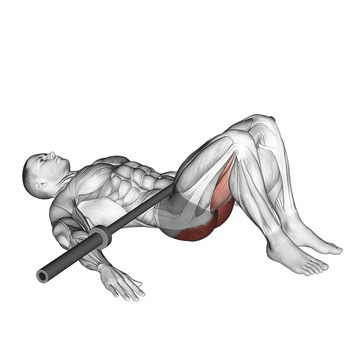
Barbell Glute Bridge
Strengthens glutes and core without loading the spine, improving hip stability and lower back health.
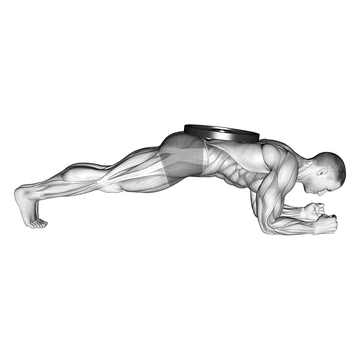
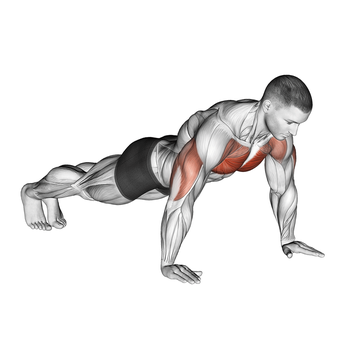
Weighted Front Plank
Builds core stability essential for balance and protecting the lower back during daily activities.
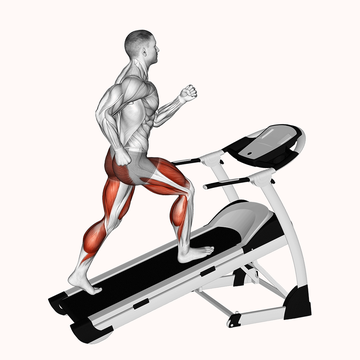
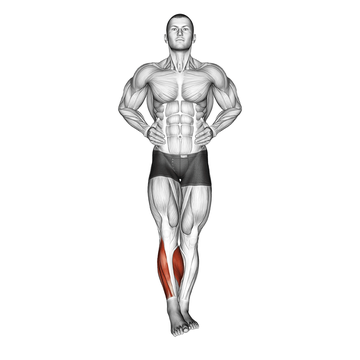
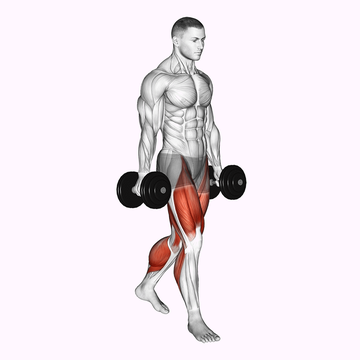
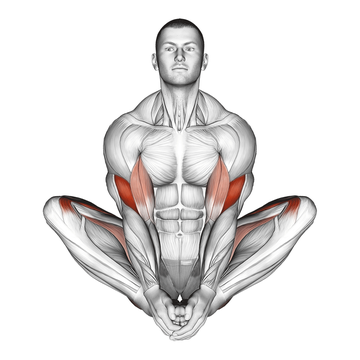
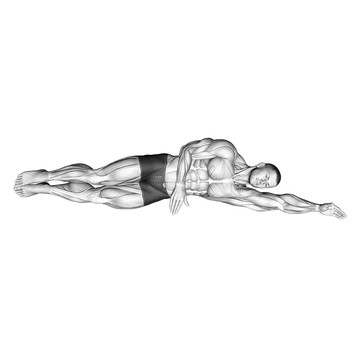
The Complete 3 days with at least one rest day between sessions Program
Follow this program consistently for best results. Start with weights that feel manageable and aim to increase gradually each week as you get stronger.
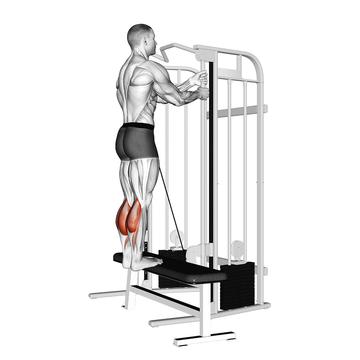
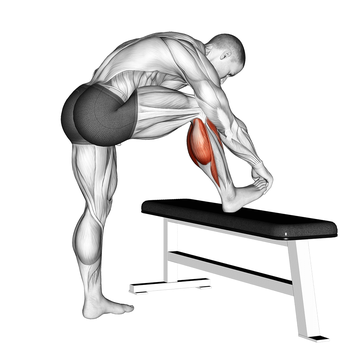
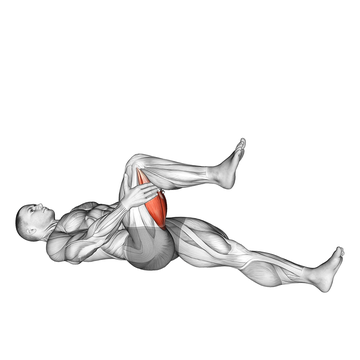
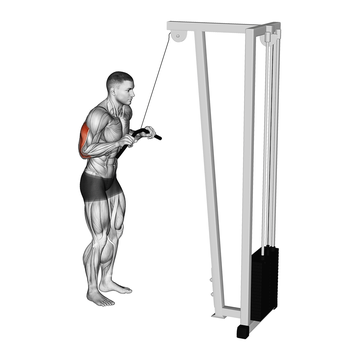
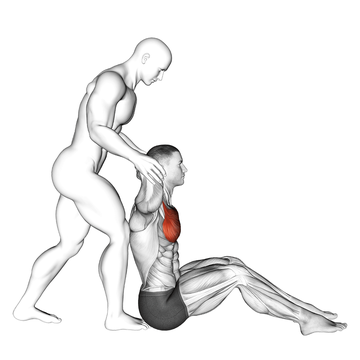
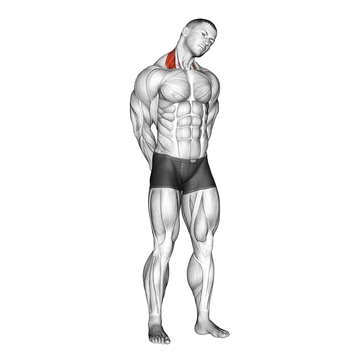
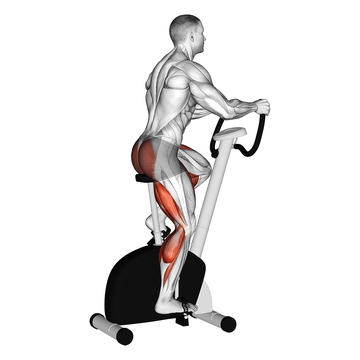
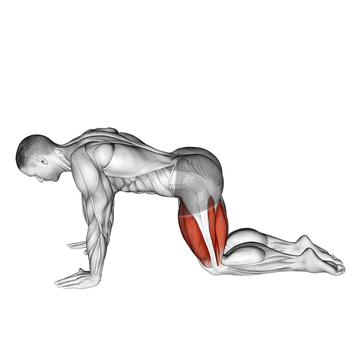
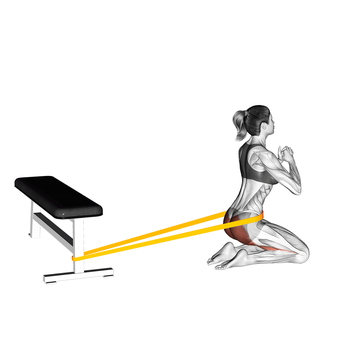
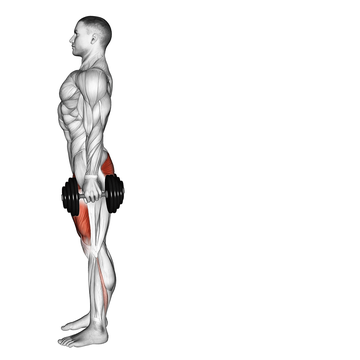
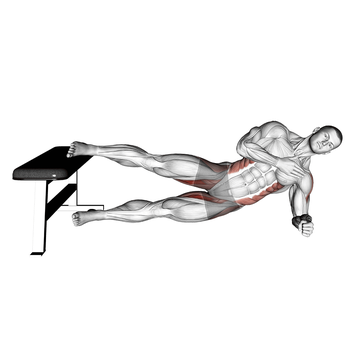
Want a program built for you?
Petite Strength creates a personalized program based on your equipment, body type, and goals.
Create Your Program30 secGetting Started Safely
- Get medical clearance before starting, especially if you have any chronic conditions or haven't exercised regularly.
- Start with lighter weights than you think you need—you can always add more. Form and safety come first.
- Warm up thoroughly before each session with 5-10 minutes of light cardio and mobility work.
- If an exercise causes joint pain, reduce the weight or try an alternative movement. Muscle fatigue is normal; joint pain is not.
- Stay hydrated and eat adequate protein (0.7-1g per pound of body weight) to support muscle building.
- Expect some muscle soreness after workouts, especially when starting. This decreases as your body adapts.
- Track your workouts to see progress—even small improvements in weight or reps are meaningful victories.
- Consider working with a trainer for your first few sessions to ensure proper form on key exercises.
Frequently Asked Questions
Is it safe to lift weights at my age?
Yes, strength training is recommended by all major health organizations for adults of all ages, including those over 50. The key is starting appropriately and progressing gradually. The risks of NOT strength training (muscle loss, bone loss, falls) far exceed the risks of proper resistance exercise.
How much weight should I start with?
Start with a weight that allows you to complete all prescribed reps with good form while feeling challenged on the last 2-3 reps. For most women new to strength training, this means 5-10 lb dumbbells for upper body and 10-20 lbs for lower body exercises. You can always increase.
Will I get bulky from lifting weights?
No. Women have significantly less testosterone than men, making it very difficult to build large muscles. What you will build is lean, toned muscle that improves your shape and metabolism. The "bulky" look requires years of intense training and often supplements.
What if I have arthritis or joint pain?
Strength training actually helps reduce arthritis symptoms by strengthening muscles around affected joints. Start with lighter weights, move through comfortable ranges of motion, and avoid exercises that cause sharp pain. Many women with arthritis find that consistent strength training significantly improves their symptoms.
How long before I see results?
You may feel stronger and more energetic within 2-3 weeks. Visible changes in muscle tone typically appear after 6-8 weeks of consistent training. Bone density improvements take longer to measure but begin at the cellular level immediately.
Should I do cardio instead of weights?
Ideally, both. But if you have limited time, prioritize strength training—it provides unique benefits (bone density, muscle preservation) that cardio cannot. The good news is that this program, performed with minimal rest, also provides cardiovascular benefits.
Get a Free Personalized Program
Every body is different. Petite Strength will build a strength program tailored to your exact needs: