Strength Training for Runners

If you're serious about improving your running performance, strength training isn't optional—it's essential. Research consistently shows that runners who incorporate resistance training run faster, stay healthier, and maintain better form when fatigue sets in. Yet many runners skip the weight room, worried about gaining bulk or losing their hard-earned endurance. The truth is, the right strength program complements your running without adding unnecessary mass. This guide provides a complete 3-day strength training program specifically designed for runners, whether you're training for your first 5K or your tenth marathon.
Why Runners Need Strength Training
Running is a repetitive, single-plane movement that creates significant impact forces—up to 3 times your body weight with each stride. Over thousands of steps per run, muscle imbalances and weaknesses become injury risks. Strength training addresses these vulnerabilities by building the muscular support system your joints need.
Beyond injury prevention, strength work improves your running economy—the amount of oxygen you use at a given pace. Studies show that runners who strength train use 4-8% less oxygen at submaximal speeds, meaning you can maintain faster paces with the same effort or run longer at your current pace.
The key is training for strength and power, not muscle size. This means using moderate-to-heavy weights with lower rep ranges, focusing on compound movements that translate directly to running mechanics. The program below is designed exactly for this purpose.
Benefits of Strength Training for Runners
Reduced Injury Risk
Strengthening muscles, tendons, and connective tissues helps absorb impact forces and corrects imbalances that lead to common running injuries like IT band syndrome, runner's knee, and shin splints.
Improved Running Economy
Stronger legs and core allow you to maintain proper form longer, reducing wasted energy and improving your efficiency at any pace.
Increased Speed and Power
Building strength in your glutes, quads, and calves directly translates to more powerful push-offs and faster sprint finishes.
Better Late-Race Performance
When your muscles fatigue in the final miles, strength reserves help maintain your pace and form when others are slowing down.
Stronger Core Stability
A solid core prevents energy-wasting rotation and maintains efficient posture throughout your run, especially on hills and uneven terrain.
Faster Recovery
Stronger muscles recover more quickly between runs, allowing you to handle higher training volumes without breaking down.
Program Overview
Who it's for: Runners of all levels looking to improve performance and reduce injury risk
Don't have all this equipment? GymFriend can build you a custom program using whatever you have available.
Why These Exercises?
Each exercise in this program was selected for a specific reason. Here's why:
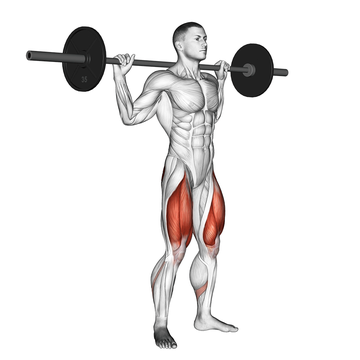
Barbell Full Squat
The back squat builds overall leg strength, particularly in the quads and glutes, which are prime movers in running. It also strengthens the core and lower back for better posture.
Barbell Romanian Deadlift
RDLs target the posterior chain—hamstrings, glutes, and lower back—which is crucial for powerful hip extension during running stride.
Walking Lunge
Lunges train single-leg strength and balance, mimicking the unilateral nature of running while building hip stability.
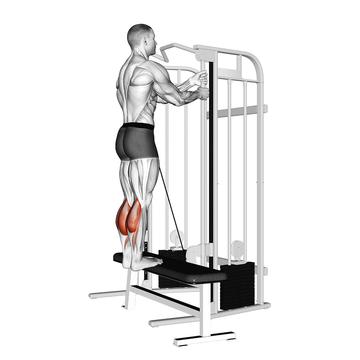
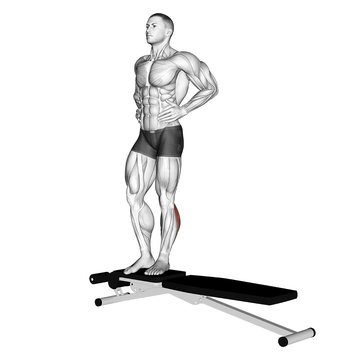
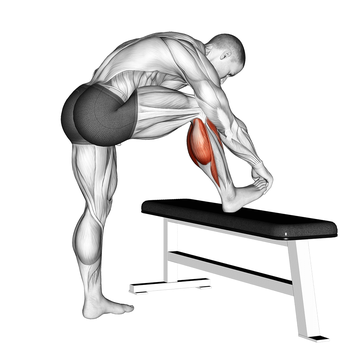
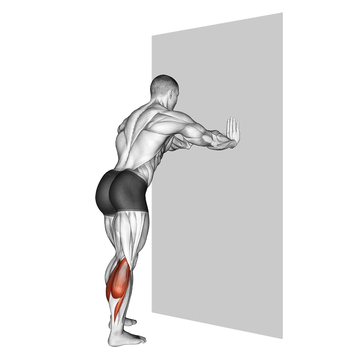
Cable Standing Calf Raise
Strong calves provide the final push-off power in each stride and help prevent Achilles tendon issues.
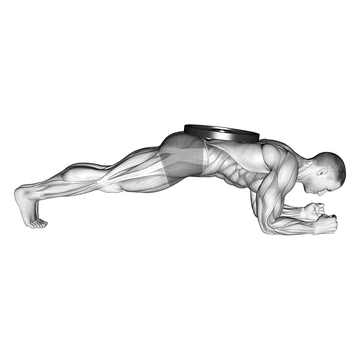
Weighted Front Plank
The plank builds isometric core strength essential for maintaining posture during long runs.
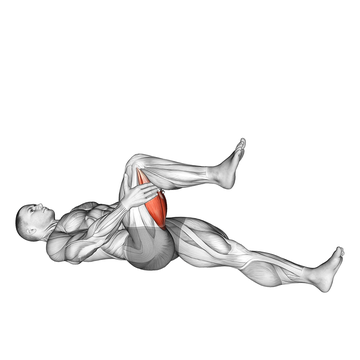
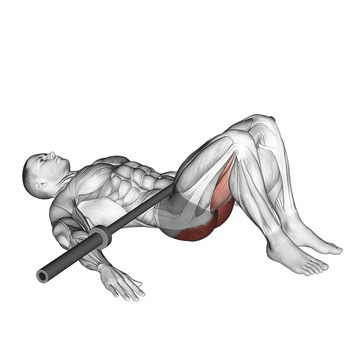
Barbell Glute Bridge
Glute bridges activate and strengthen the glutes, which are often underutilized in runners leading to hip and knee issues.
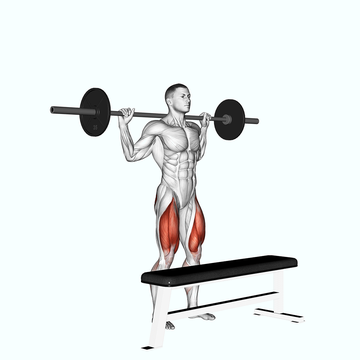
Barbell Step-up
Step-ups build single-leg power and stability while training hip drive—directly applicable to hill running.
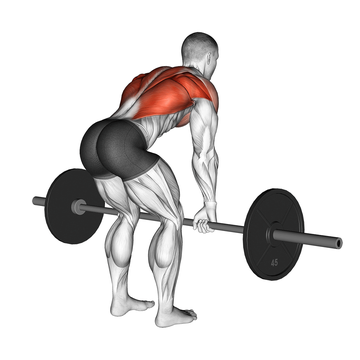
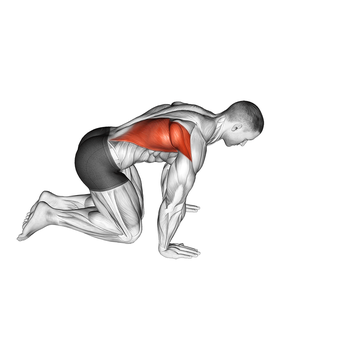
Barbell Bent Over Row
Upper back strength helps maintain arm swing efficiency and upright posture, especially when fatigued.
The Complete 3 days Program
Follow this program consistently for best results. Start with weights that feel manageable and aim to increase gradually each week as you get stronger.
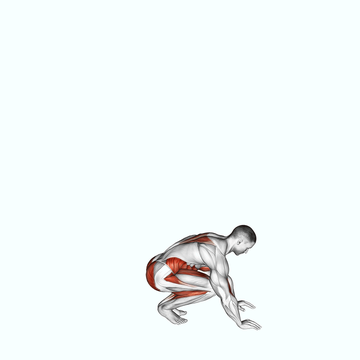
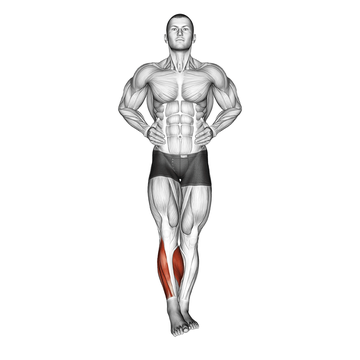
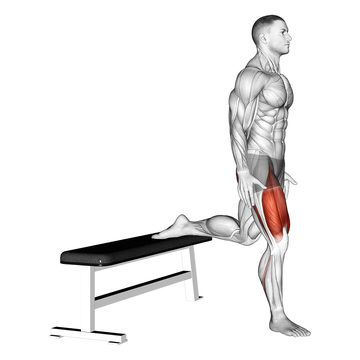
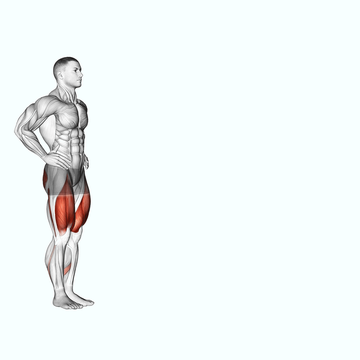
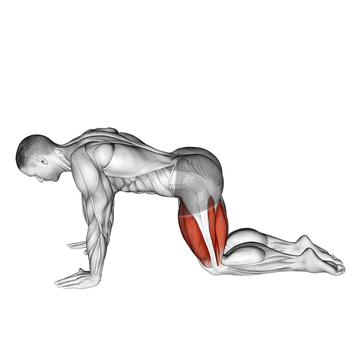
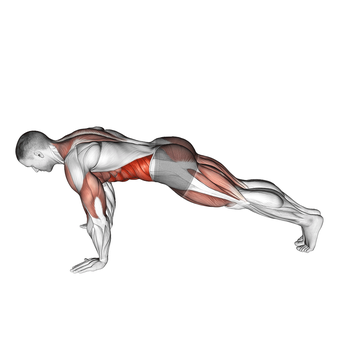
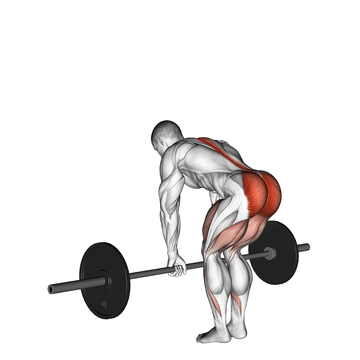
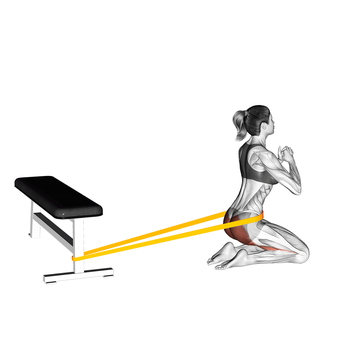
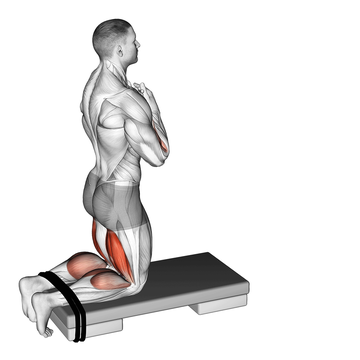
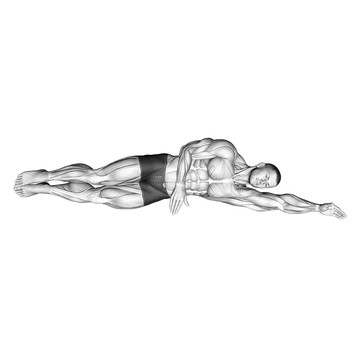
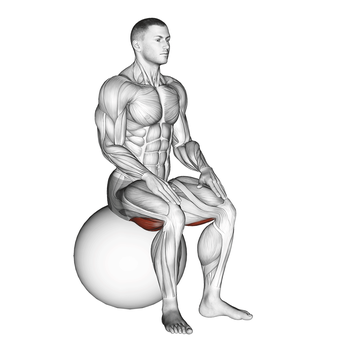
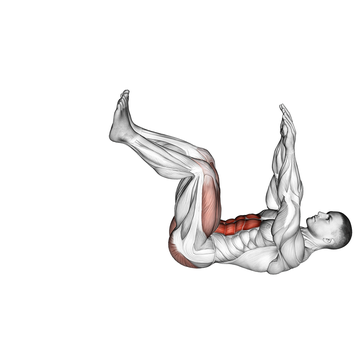
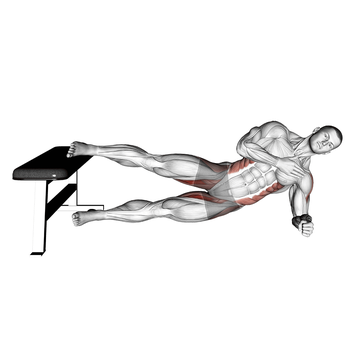
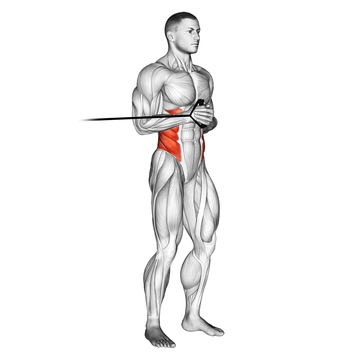
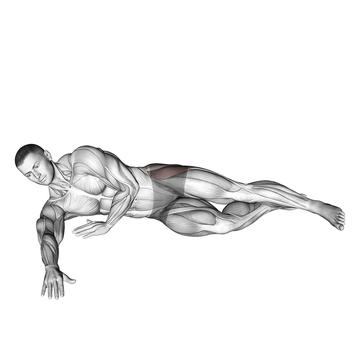
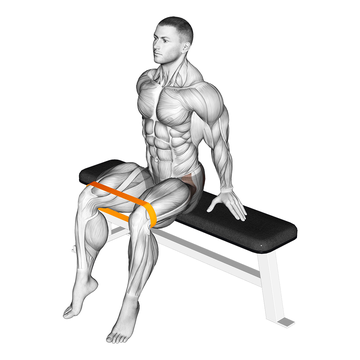
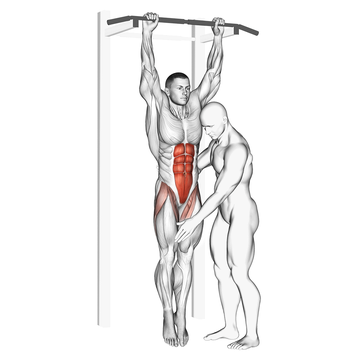
Want this program adjusted for your fitness level, goals, or schedule? GymFriend can create a personalized version just for you.
Getting Started with Strength Training
- Schedule strength sessions on easy run days or rest days—never before hard workouts or long runs.
- Start with lighter weights and master form before adding load. Running-specific strength is about quality, not ego lifting.
- Allow at least 48 hours between strength sessions to ensure full recovery.
- During peak training or race weeks, reduce strength volume by 40-50% to prioritize running freshness.
- Focus on the eccentric (lowering) phase of each movement—this builds tendon resilience crucial for absorbing running impact.
- Track your progress in both the weight room and on the road. You should see improvements in both within 6-8 weeks.
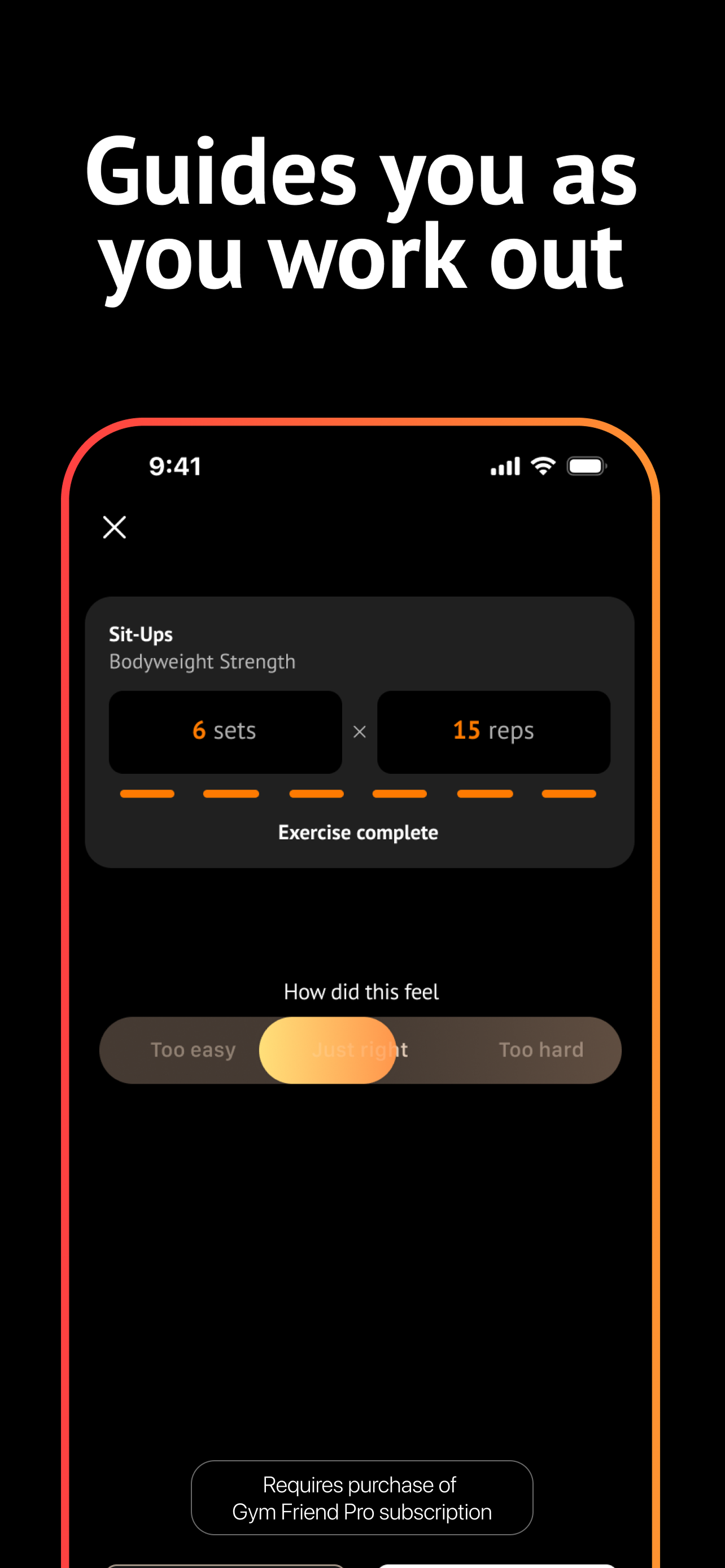
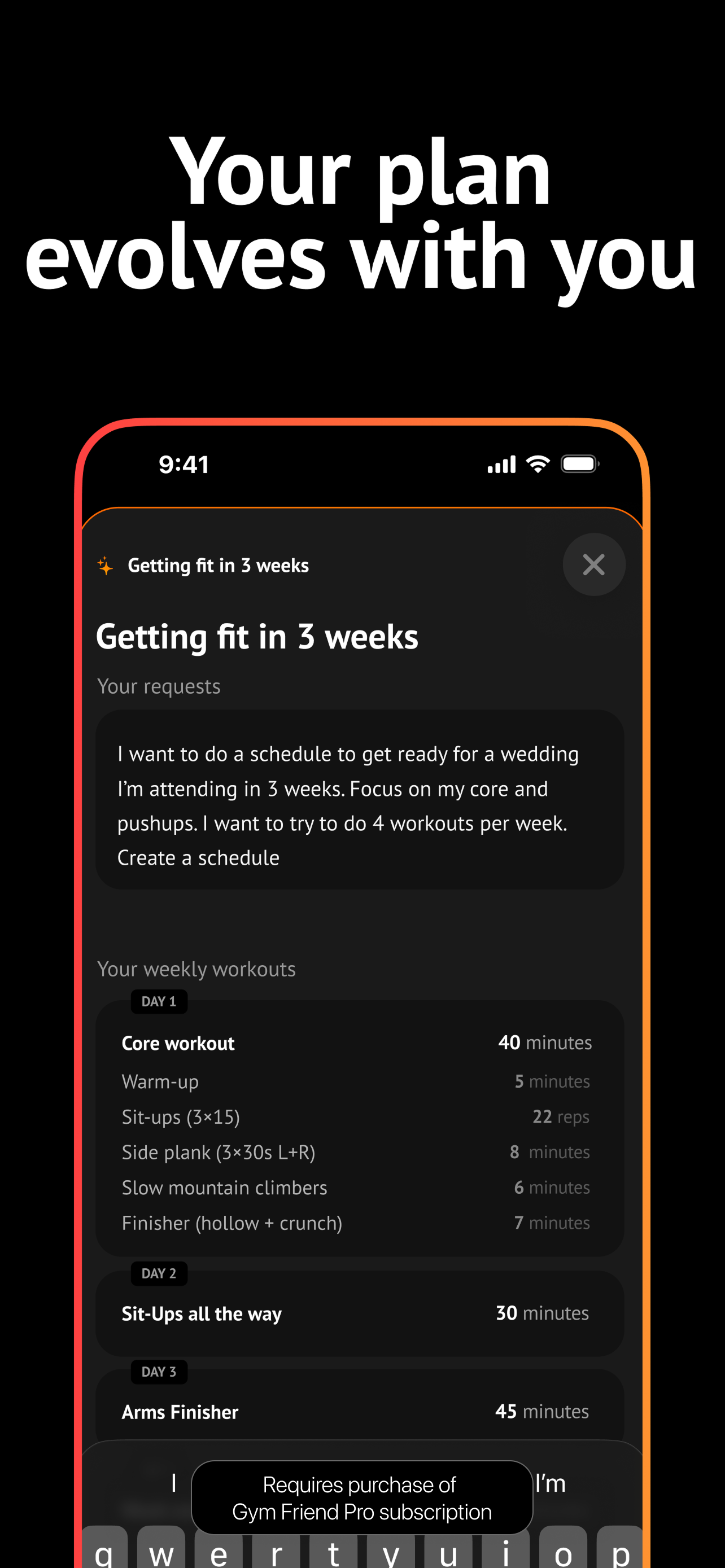
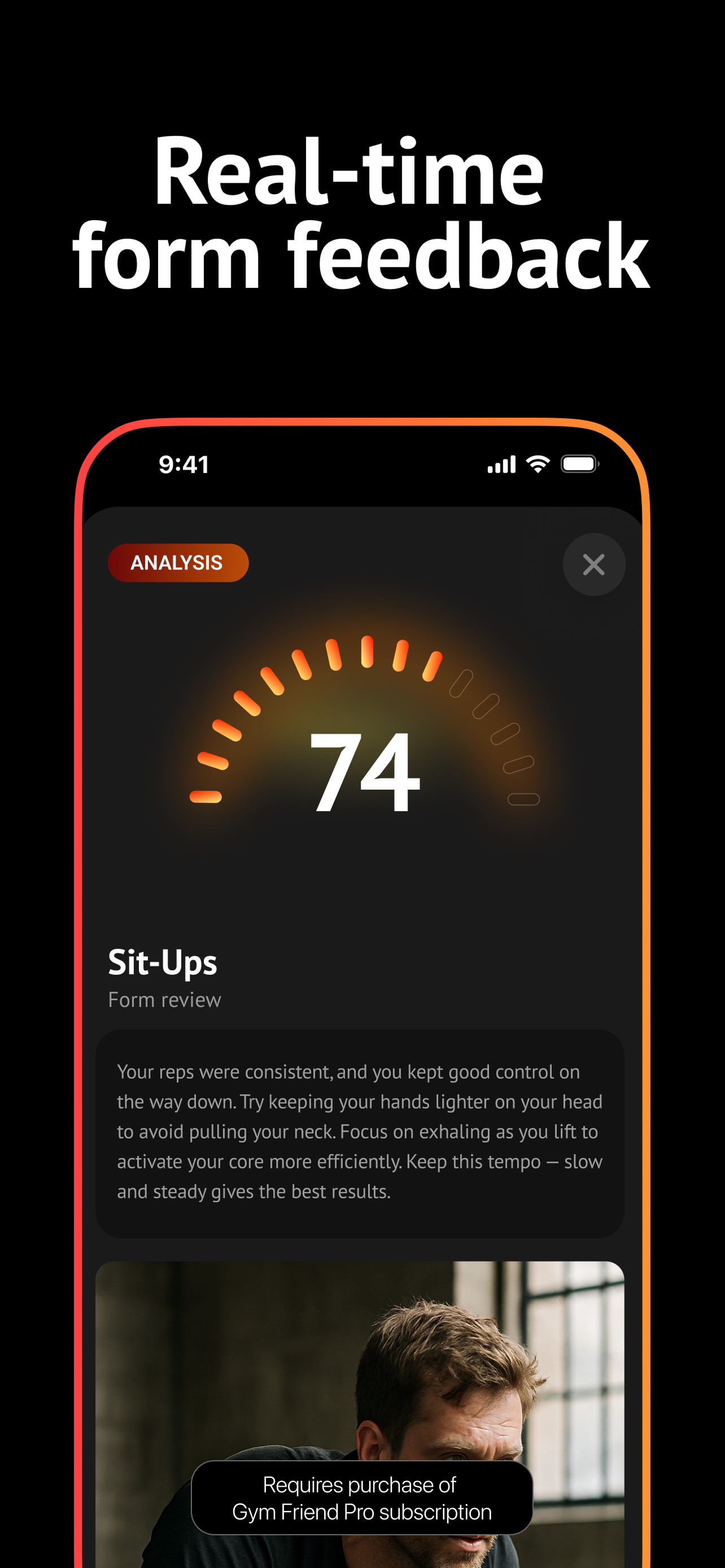
Edit your plan, track progress, and get realtime coaching


Frequently Asked Questions
Will strength training make me slower or bulkier?
No. The moderate weights and rep ranges in this program build strength without adding significant muscle mass. Runners who strength train consistently actually improve their race times due to better running economy and injury resilience.
How should I schedule strength training around my runs?
Ideally, do strength work on easy run days, with the strength session either before an easy run or several hours after. Never lift heavy before speed workouts, tempo runs, or long runs. Take at least one full rest day per week.
Should I strength train during race week?
Reduce volume significantly in the week before a race—one lighter session early in the week is sufficient. Skip strength training in the final 3-4 days before your race to ensure fresh legs.
How long before I see results from strength training?
You may notice improved running form and stability within 2-3 weeks. Measurable improvements in running economy and race performance typically appear after 6-8 weeks of consistent training.
What if I only have two days per week for strength training?
Combine Days 1 and 2 into one session, prioritizing compound lower body movements (squats, RDLs, lunges). Keep Day 3 as written for core and accessory work.
Can I do bodyweight exercises instead?
Yes, though progress may be slower. Focus on single-leg variations (pistol squats, Bulgarian split squats) and plyometrics (box jumps, bounds) to build running-specific strength without weights.