Strength Training for Stress Relief

Stress isn't just mental—it's physical. Your body stores tension in muscles, floods with cortisol, and stays primed for fight-or-flight. Strength training provides a physical outlet that releases this tension while triggering chemical changes that improve mood. This program is designed to maximize the stress-relieving benefits of training.
How Strength Training Reduces Stress
Exercise releases endorphins—natural mood elevators that create the "runner's high." Strength training produces this effect too, often more powerfully than cardio due to higher intensity.
Physical exertion provides an outlet for stress hormones. Cortisol and adrenaline prepared your body for physical action. Training gives them somewhere productive to go.
The focus required for lifting is meditative. You can't worry about work when you're concentrating on a heavy squat. Training forces presence and breaks rumination cycles.
Mental Health Benefits of Strength Training
Reduced Anxiety
Exercise decreases anxiety symptoms and promotes calm.
Better Mood
Endorphins and dopamine improve emotional state.
Improved Sleep
Physical fatigue promotes deeper, more restful sleep.
Increased Confidence
Getting stronger builds self-efficacy that transfers to life.
Healthy Coping
Replace unhealthy stress responses with productive training.
Sense of Control
In an uncertain world, the gym is something you can control.
Program Overview
Who it's for: Anyone seeking stress relief and mental health benefits from training
Don't have all this equipment? GymFriend can build you a custom program using whatever you have available.
Why These Exercises?
Each exercise in this program was selected for a specific reason. Here's why:
Dumbbell Goblet Squat
Demanding movement that requires full concentration.
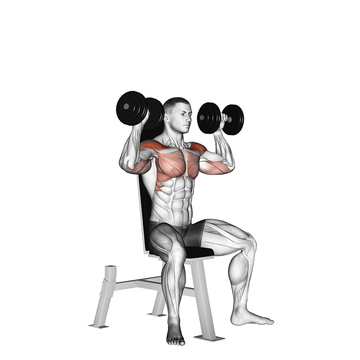
Dumbbell Bench Press
Satisfying pressing that releases upper body tension.
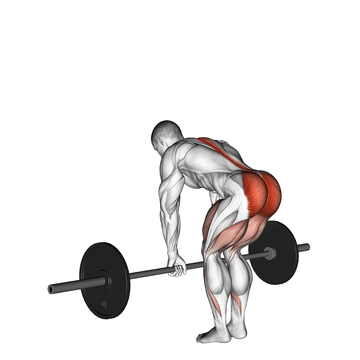
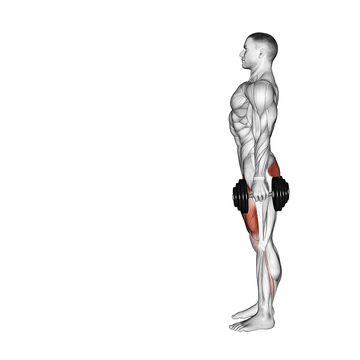
Barbell Romanian Deadlift
Hip hinge that stretches and works muscles holding tension.
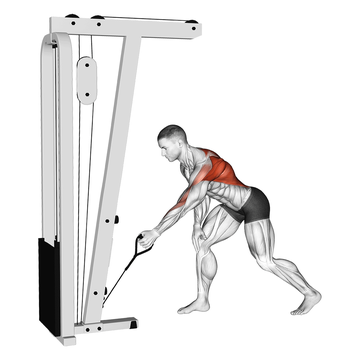
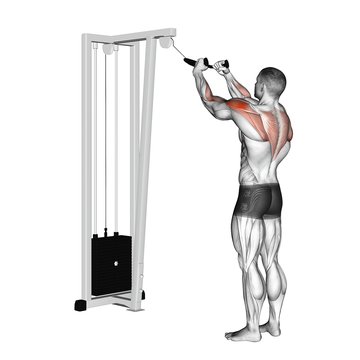
Cable One Arm Bent Over Row
Back work that counteracts stress-induced forward posture.
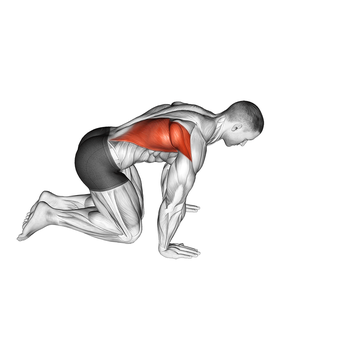
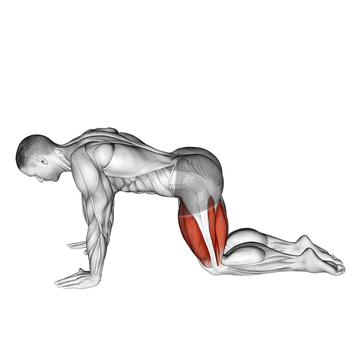
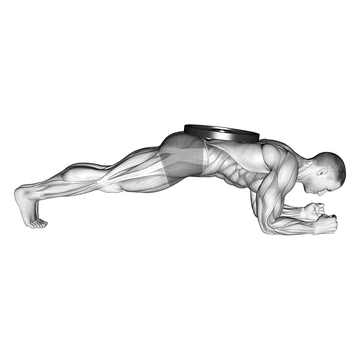
Weighted Front Plank
Core engagement with breath focus.
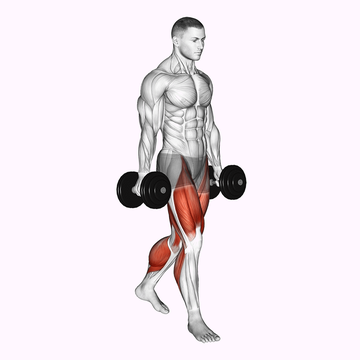
Farmers Walk
Simple, grounding movement that builds mental toughness.
The Complete 3-4 days Program
Follow this program consistently for best results. Start with weights that feel manageable and aim to increase gradually each week as you get stronger.
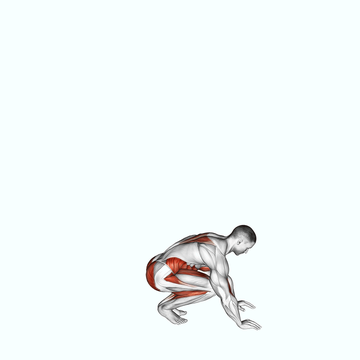
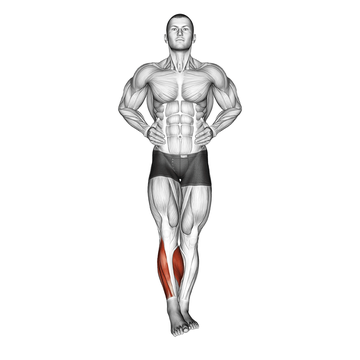
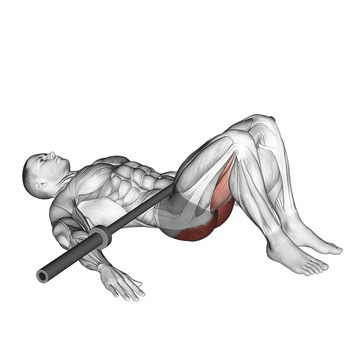

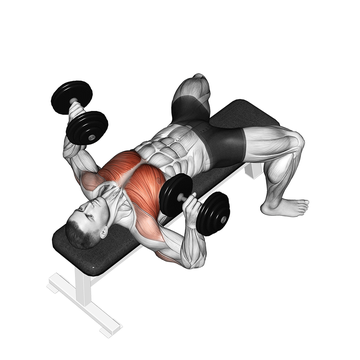
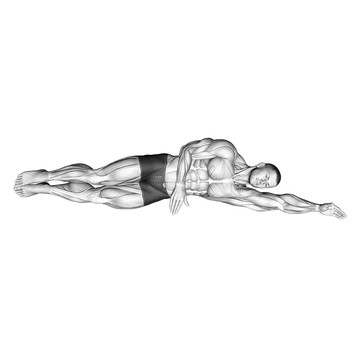
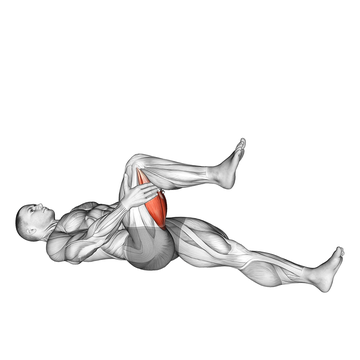
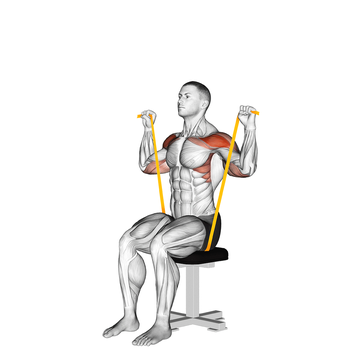
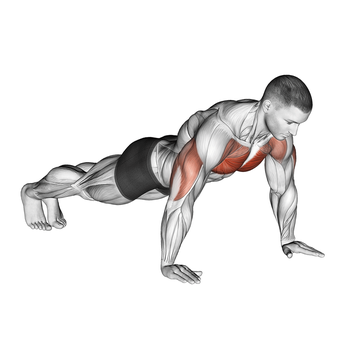
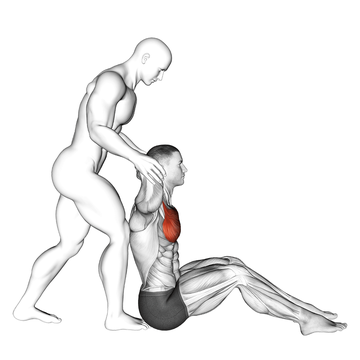
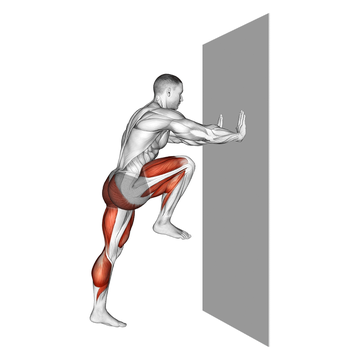
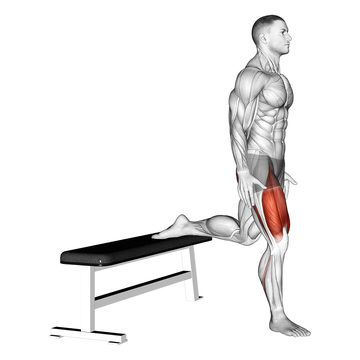
Want this program adjusted for your fitness level, goals, or schedule? GymFriend can create a personalized version just for you.
Training for Mental Wellness
- Focus on the workout, not your problems. This is your escape.
- Challenge yourself—moderate intensity provides the best mental benefits.
- Include exercises you enjoy. Training should be something to look forward to.
- Use music that helps you focus and feel good.
- Notice how you feel after training. Let this reinforce the habit.
- Consistency matters most—regular training provides the most benefit.
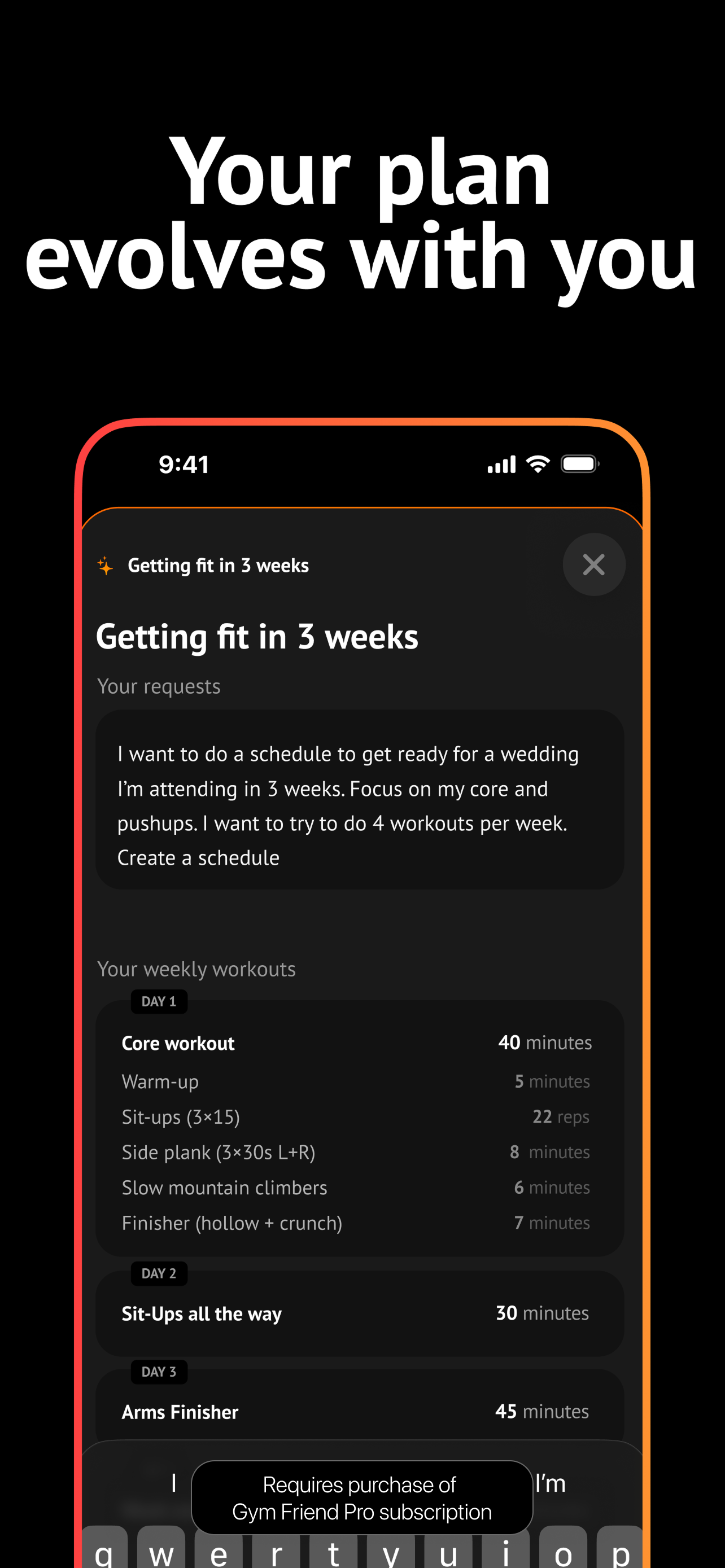
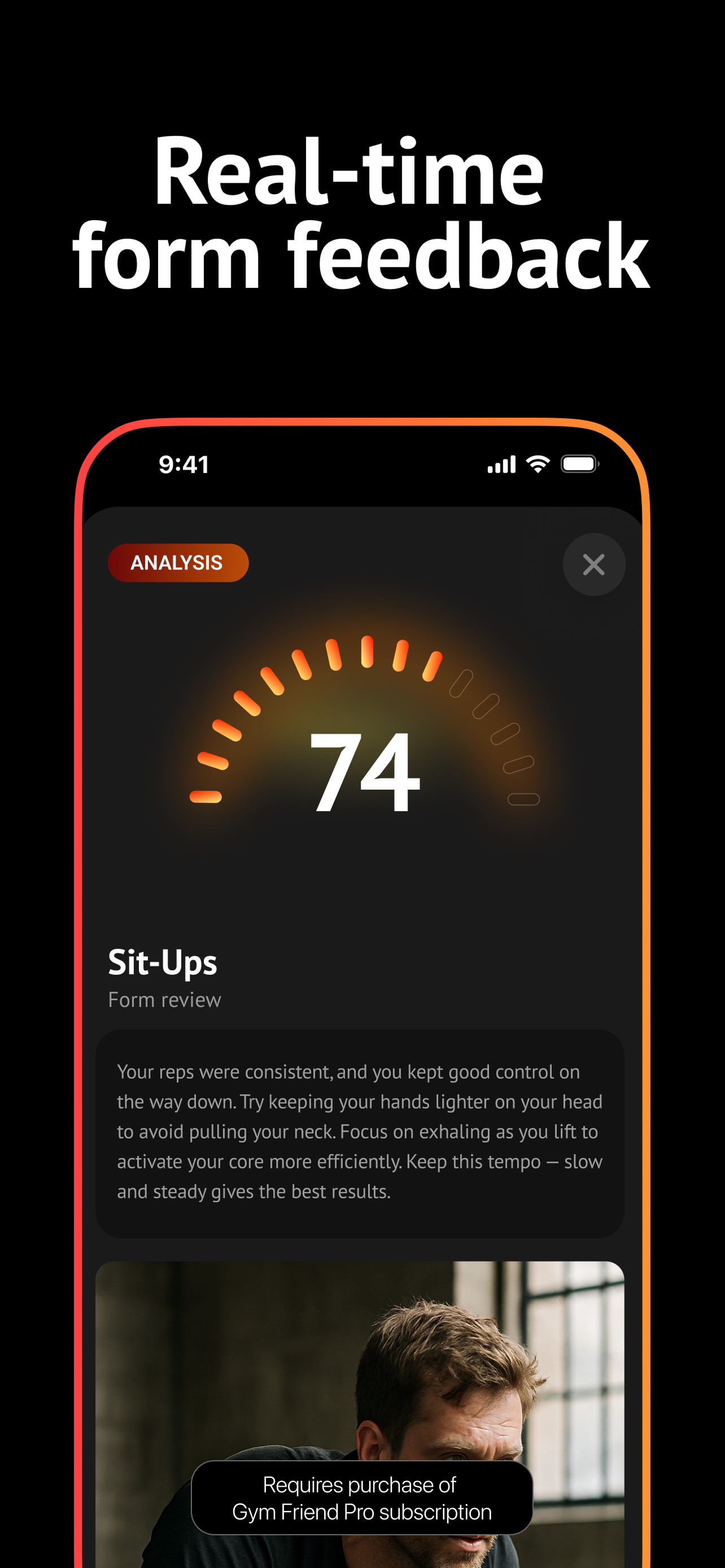
Edit your plan, track progress, and get realtime coaching


Frequently Asked Questions
Is weight training better than cardio for stress?
Both help. Strength training may provide more lasting mood benefits and a greater sense of accomplishment. Many people find the best results combining both.
How soon will I feel mental benefits?
Many people feel better immediately after a single workout. Regular training compounds these benefits over weeks.
Can exercise replace therapy or medication?
Exercise is a powerful supplement to mental health treatment, not a replacement. If you're struggling, seek professional help while also using exercise as support.
What if I'm too stressed to work out?
Start with something small—even 10 minutes helps. Often the act of starting reduces stress, and motivation follows action.
Should I train when I feel anxious?
Usually yes—exercise helps. But listen to your body. If you're exhausted or overwhelmed, gentle movement or rest might be better than intense training.