Training for Functional Strength

Functional strength is strength that serves you outside the gym—lifting furniture, carrying groceries, playing with your kids, maintaining balance as you age. While any strength training provides benefits, functional training specifically emphasizes movement patterns, core stability, and multi-joint exercises that directly improve how you move through life. This program builds the practical strength that matters.
What Makes Strength Functional
Functional training focuses on movements, not muscles. Rather than isolating the bicep, you train the pulling pattern. Instead of leg extensions, you squat. These compound movements train your body to work as an integrated unit—the way it functions in real life.
Core stability is central to functional strength. Your core transfers force between your lower and upper body in virtually every real-world movement. Weak core = weak link in the chain, regardless of how strong your limbs are.
Balance and proprioception matter. Single-leg work, unilateral loading, and unstable positions train your nervous system to maintain stability under load—essential for everything from carrying awkward objects to catching yourself when you trip.
Benefits of Functional Training
Real-World Application
Strength that directly improves daily activities and tasks.
Injury Prevention
Balanced development and core stability protect against common injuries.
Movement Quality
Move better, not just stronger. Coordination and control improve.
Core Strength
Deep core stability that supports your spine in any position.
Balance & Stability
Better balance reduces fall risk and improves athletic performance.
Long-Term Health
Maintain independence and capability as you age.
Program Overview
Who it's for: Anyone wanting strength that improves daily life
Don't have all this equipment? GymFriend can build you a custom program using whatever you have available.
Why These Exercises?
Each exercise in this program was selected for a specific reason. Here's why:
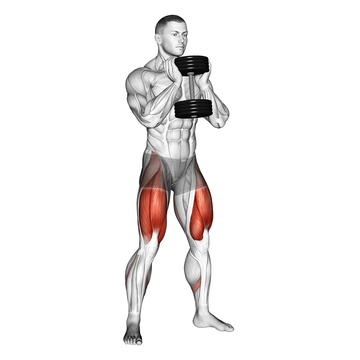
Dumbbell Goblet Squat
The fundamental lower body pattern. Picking things up, sitting, standing.
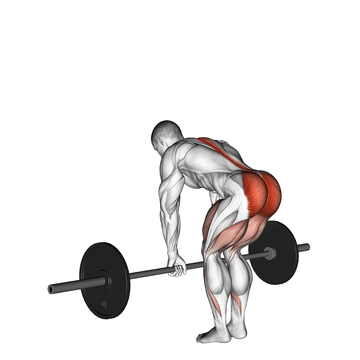
Barbell Deadlift
Lifting objects from the ground—the most functional movement there is.
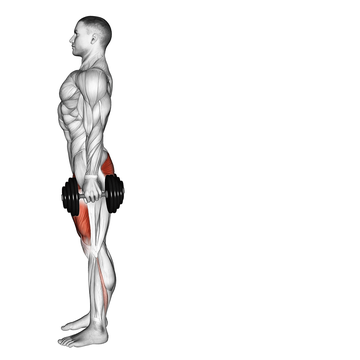
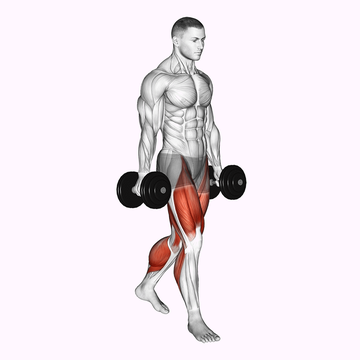
Farmers Walk
Carrying load while walking. Core stability, grip, and total body integration.
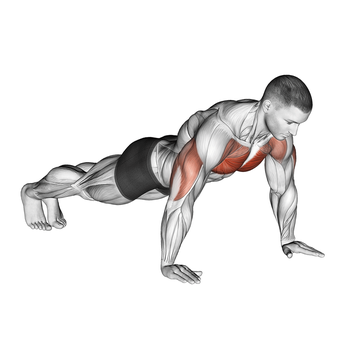
Push-up
Horizontal pushing with core stability. Fundamental pushing pattern.
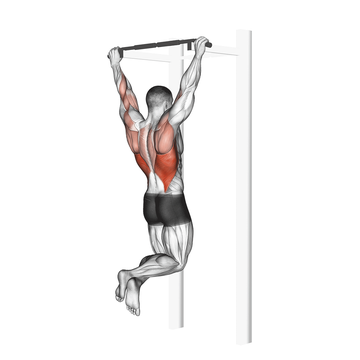
Pull-up
Vertical pulling. Climbing, lifting yourself up over obstacles.
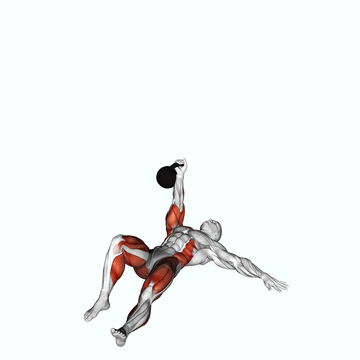
Kettlebell Turkish Get Up (squat Style)
Moving from floor to standing under load. Tests and builds total body function.
The Complete 3 days Program
Follow this program consistently for best results. Start with weights that feel manageable and aim to increase gradually each week as you get stronger.
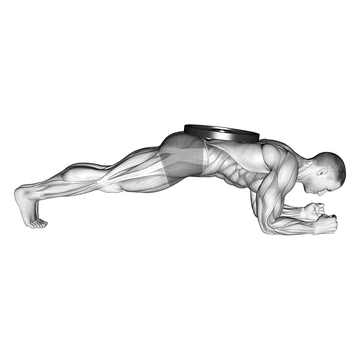
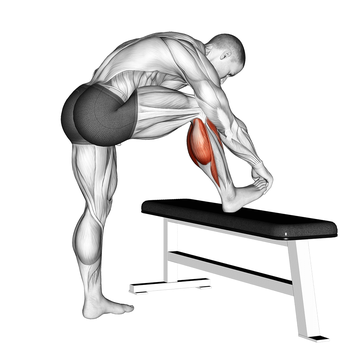
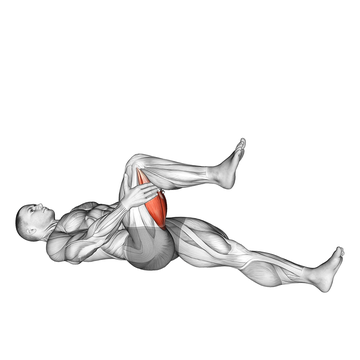
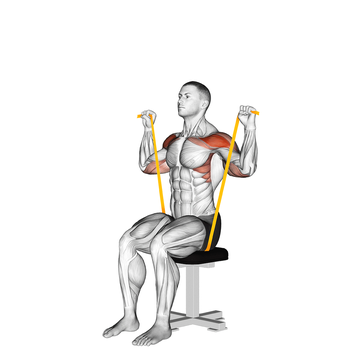
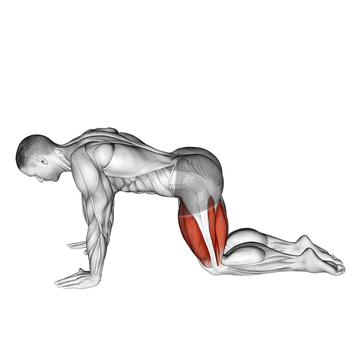
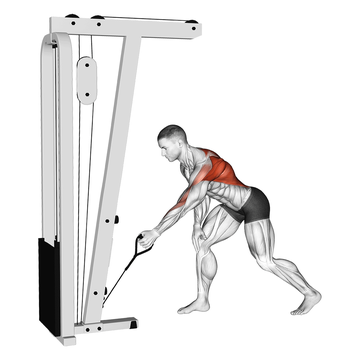
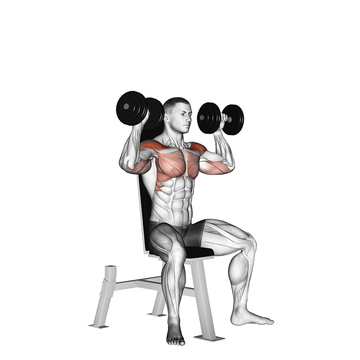
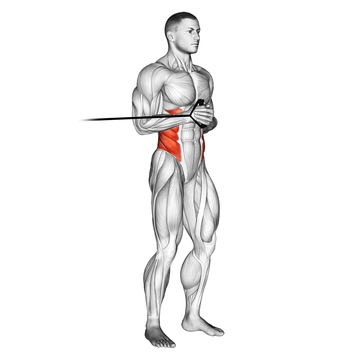
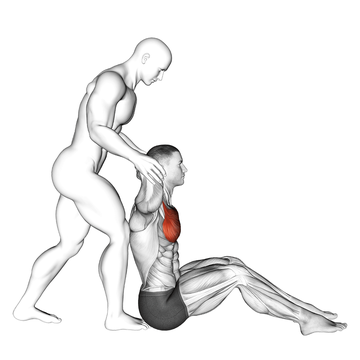
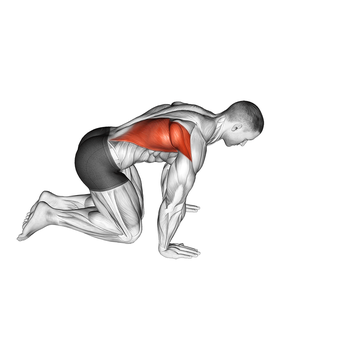
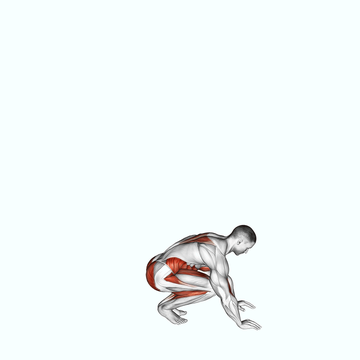
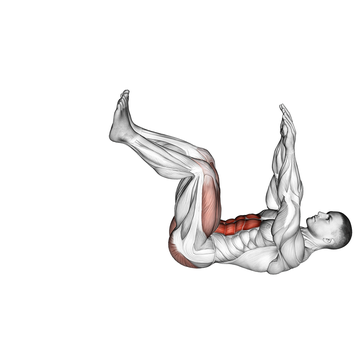
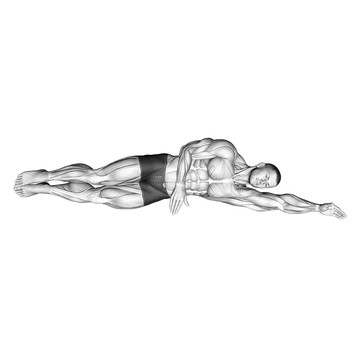
Want this program adjusted for your fitness level, goals, or schedule? GymFriend can create a personalized version just for you.
Building Functional Strength
- Focus on movement quality before adding weight. Perfect the pattern.
- Include all basic movement patterns: squat, hinge, push, pull, carry, rotate.
- Train single-leg and single-arm variations to address imbalances.
- Don't neglect core stability work. It's the foundation of functional strength.
- Progress movements before adding weight. Goblet squat before back squat.
- Think about how exercises apply to your actual life. Train what you need.
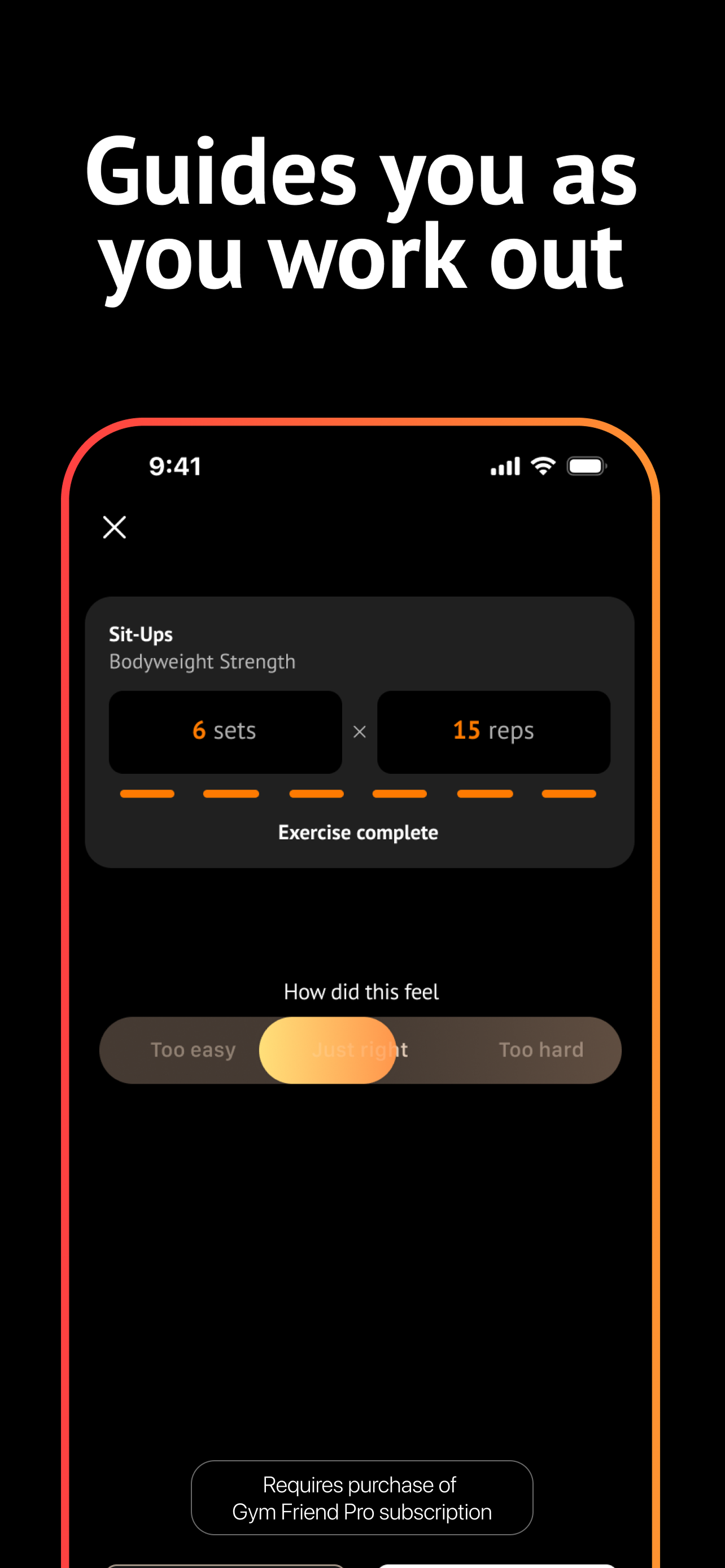
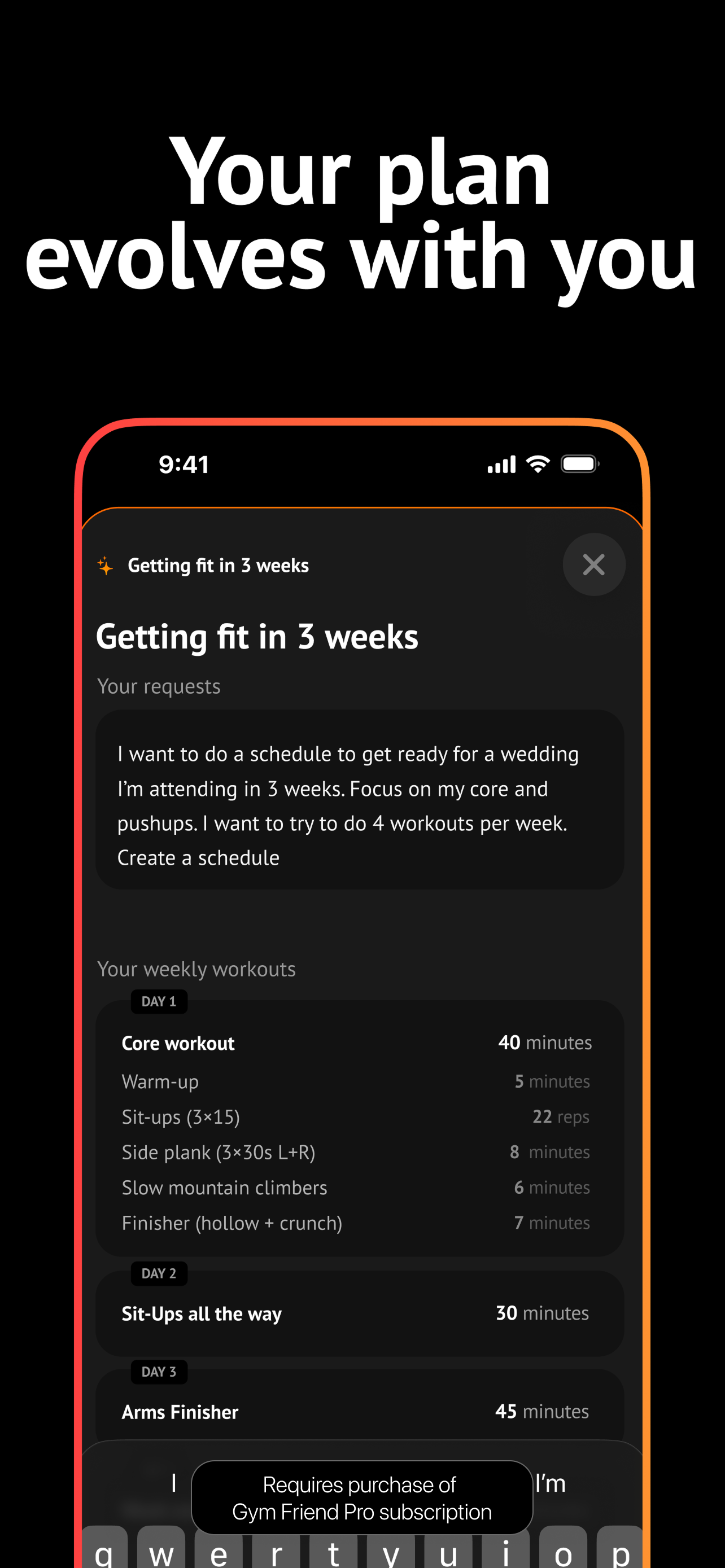
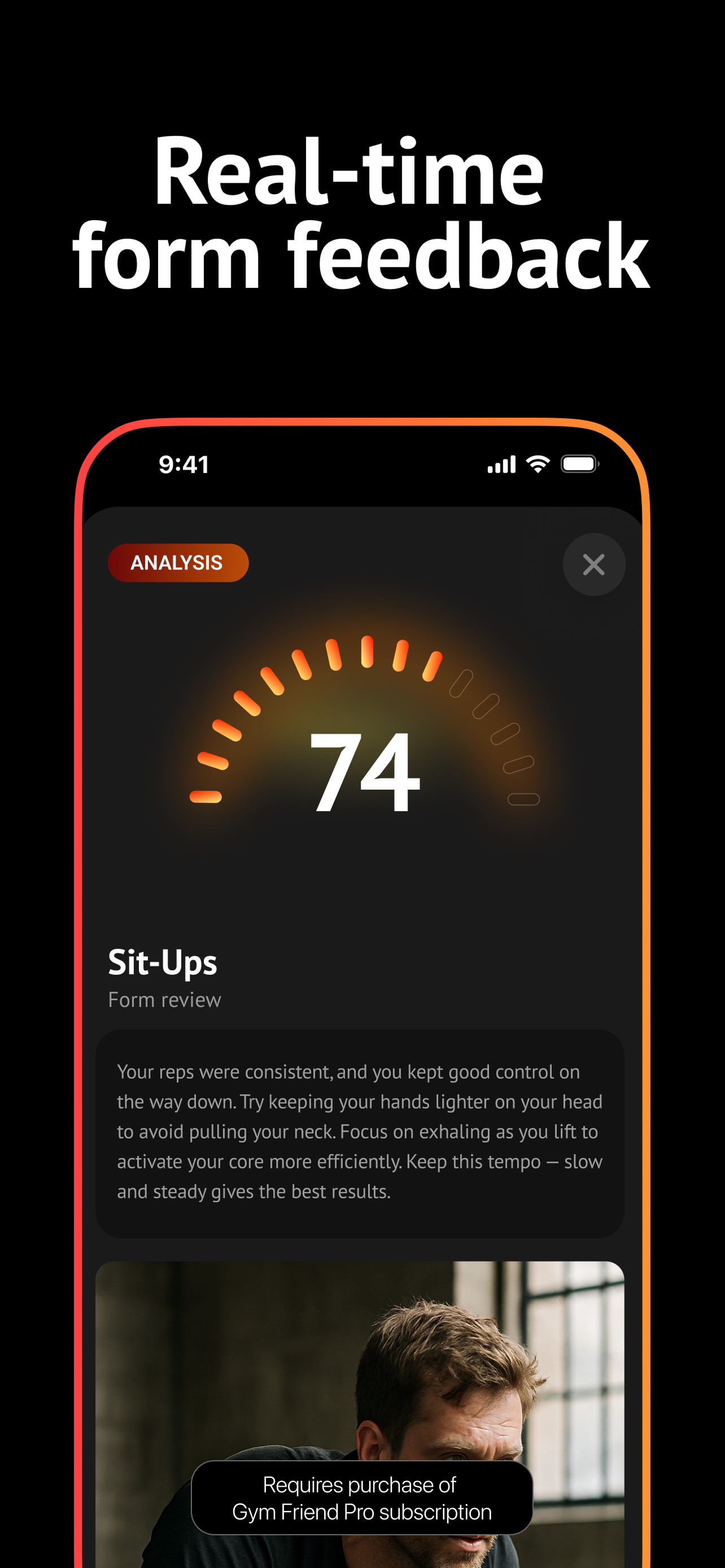
Edit your plan, track progress, and get realtime coaching

Frequently Asked Questions
Is functional training different from regular strength training?
It's a matter of emphasis. Functional training prioritizes movement patterns, core stability, and exercises that transfer to daily activities, while traditional training often emphasizes muscle isolation.
Can I build muscle with functional training?
Yes. Compound movements build muscle effectively. The difference is emphasis on movement quality and practical strength over maximum muscle size.
What exercises are most functional?
Squats, deadlifts, carries, pushing, and pulling patterns. Basically, movements you actually do in life—picking things up, carrying them, pushing and pulling.
Should I use machines or free weights?
Free weights are more functional because they require stabilization. Machines isolate muscles; free weights train movement. Both have their place.
How quickly will I notice improvements in daily life?
Many people notice improvements in 2-4 weeks—tasks feel easier, posture improves, energy increases. Significant changes take 8-12 weeks.