Strength Training for Better Sleep
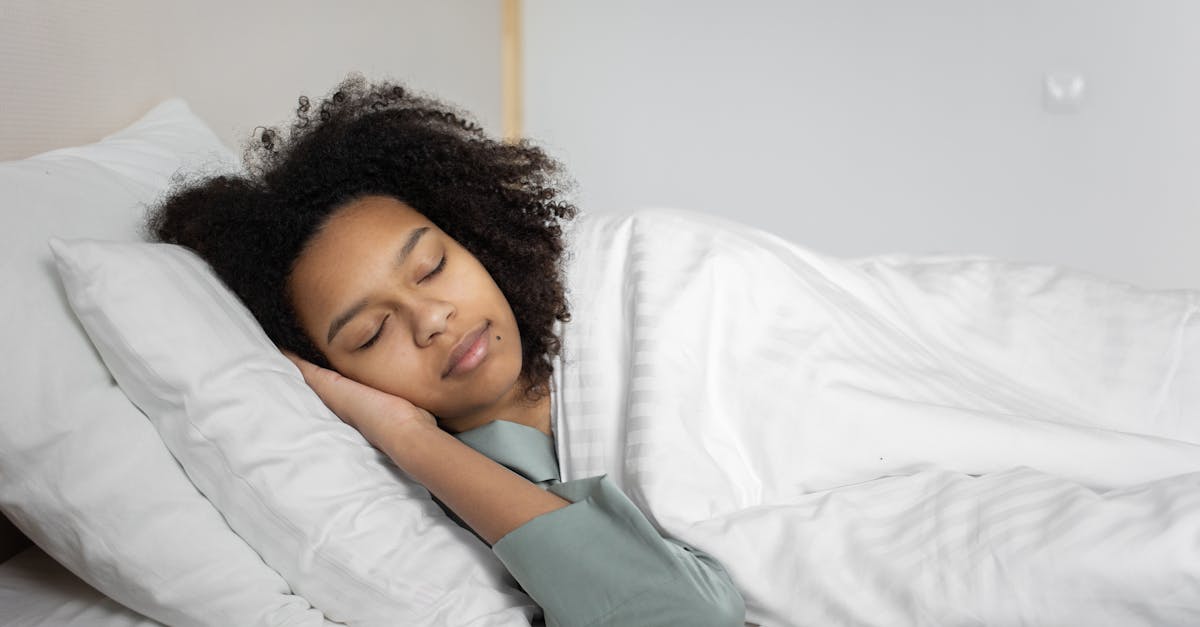
Poor sleep affects everything—energy, mood, recovery, and health. Research shows strength training improves sleep quality better than most interventions. Physical fatigue from training, combined with hormonal and nervous system effects, creates the conditions for deep, restorative sleep.
How Strength Training Improves Sleep
Physical activity creates healthy fatigue. Your body needs to recover from training, which drives deeper sleep. This is different from mental exhaustion, which can actually impair sleep.
Strength training regulates cortisol. Exercise causes a healthy cortisol spike followed by reduction. Over time, this normalizes the cortisol rhythm that governs sleep-wake cycles.
Resistance training increases slow-wave sleep—the deepest, most restorative phase. This is where physical recovery happens and where many poor sleepers are deficient.
Sleep Benefits of Strength Training
Faster Sleep Onset
Physical fatigue helps you fall asleep quicker.
Deeper Sleep
More time in restorative slow-wave sleep.
Better Sleep Efficiency
Less time awake during the night.
Normalized Rhythms
Regular exercise regulates circadian patterns.
Reduced Anxiety
Exercise decreases the anxiety that disrupts sleep.
Morning Energy
Better sleep means better next-day function.
Program Overview
Who it's for: Anyone wanting to improve sleep quality through exercise
Don't have all this equipment? GymFriend can build you a custom program using whatever you have available.
Why These Exercises?
Each exercise in this program was selected for a specific reason. Here's why:
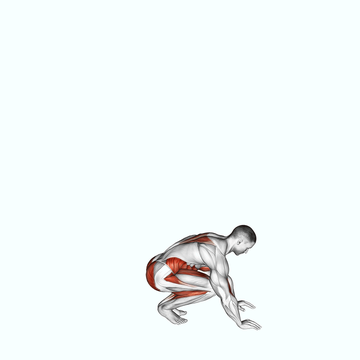
Dumbbell Goblet Squat
Large muscle fatigue promotes sleep drive.
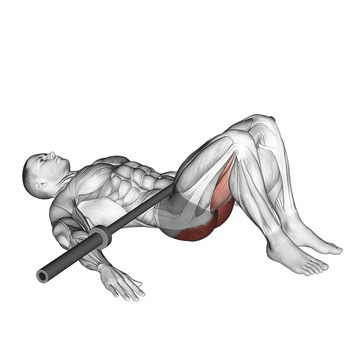
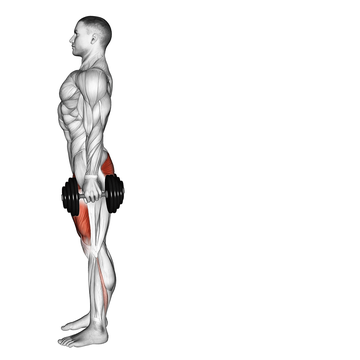
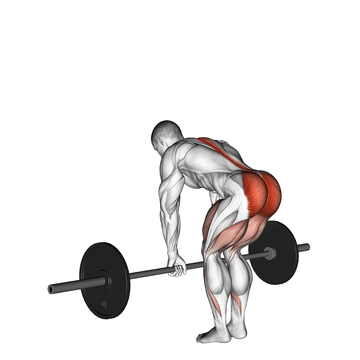
Barbell Romanian Deadlift
Posterior chain work for healthy physical tiredness.
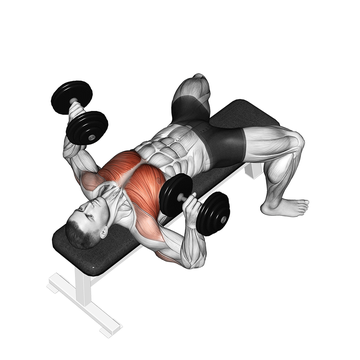
Dumbbell Bench Press
Upper body compound for complete fatigue.
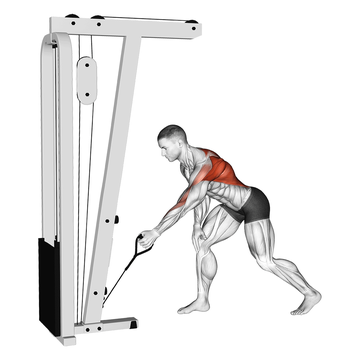
Cable One Arm Bent Over Row
Back work for balanced training stimulus.
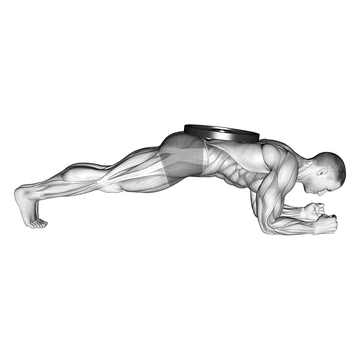
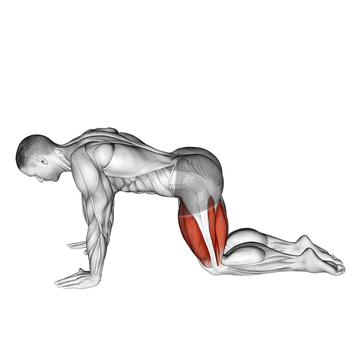
Weighted Front Plank
Core engagement without overstimulation.
Cable Rear Delt Row (with Rope)
Shoulder health without excessive intensity.
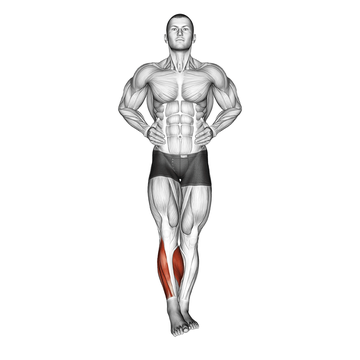
The Complete 3 days Program
Follow this program consistently for best results. Start with weights that feel manageable and aim to increase gradually each week as you get stronger.

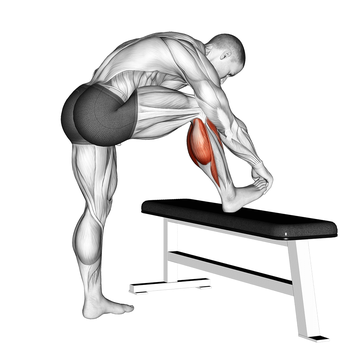
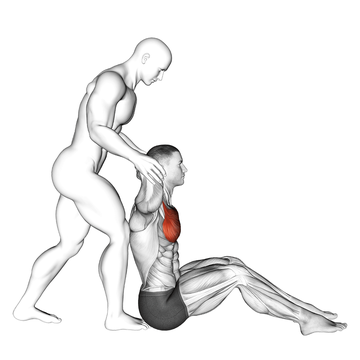
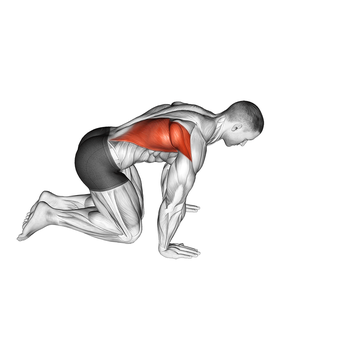
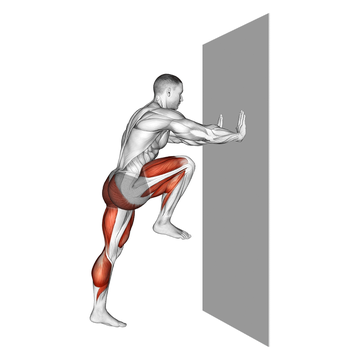
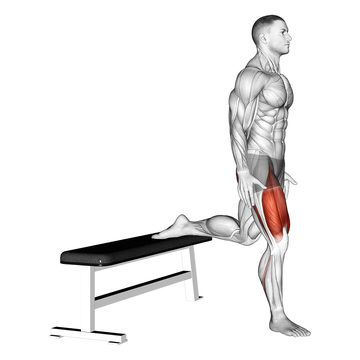
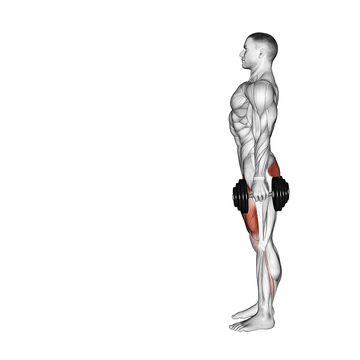
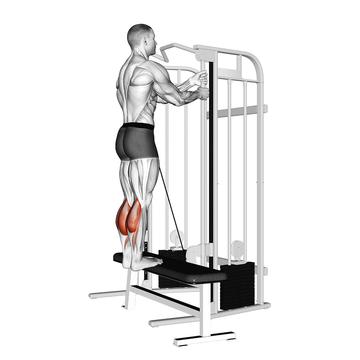
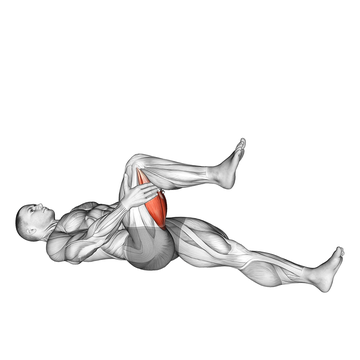
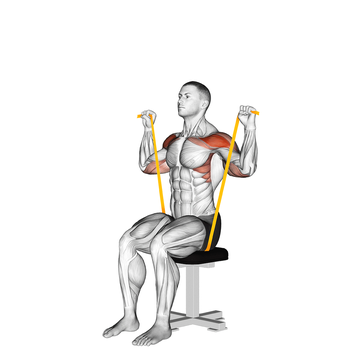
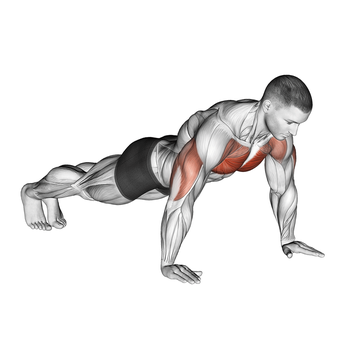

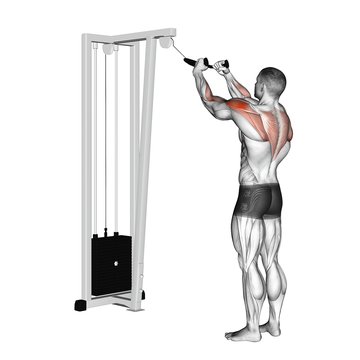
Want this program adjusted for your fitness level, goals, or schedule? GymFriend can create a personalized version just for you.
Training for Sleep
- Train earlier in the day if possible—allow 3+ hours before bed.
- Avoid very intense training close to bedtime.
- Consistency matters—regular training normalizes sleep patterns.
- Morning or afternoon training often works better than evening.
- If you must train late, choose moderate intensity over maximum effort.
- Don't use pre-workout stimulants, especially in the afternoon.
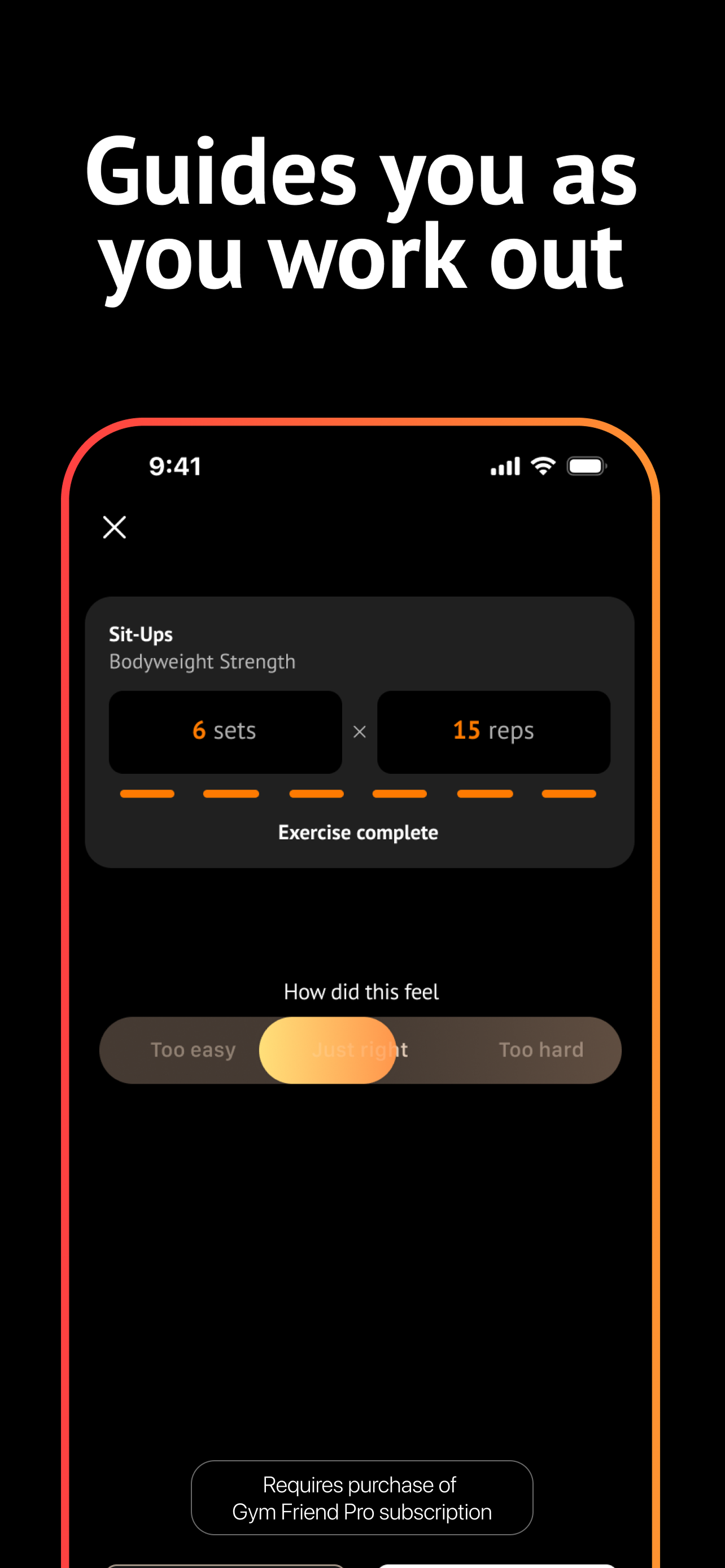
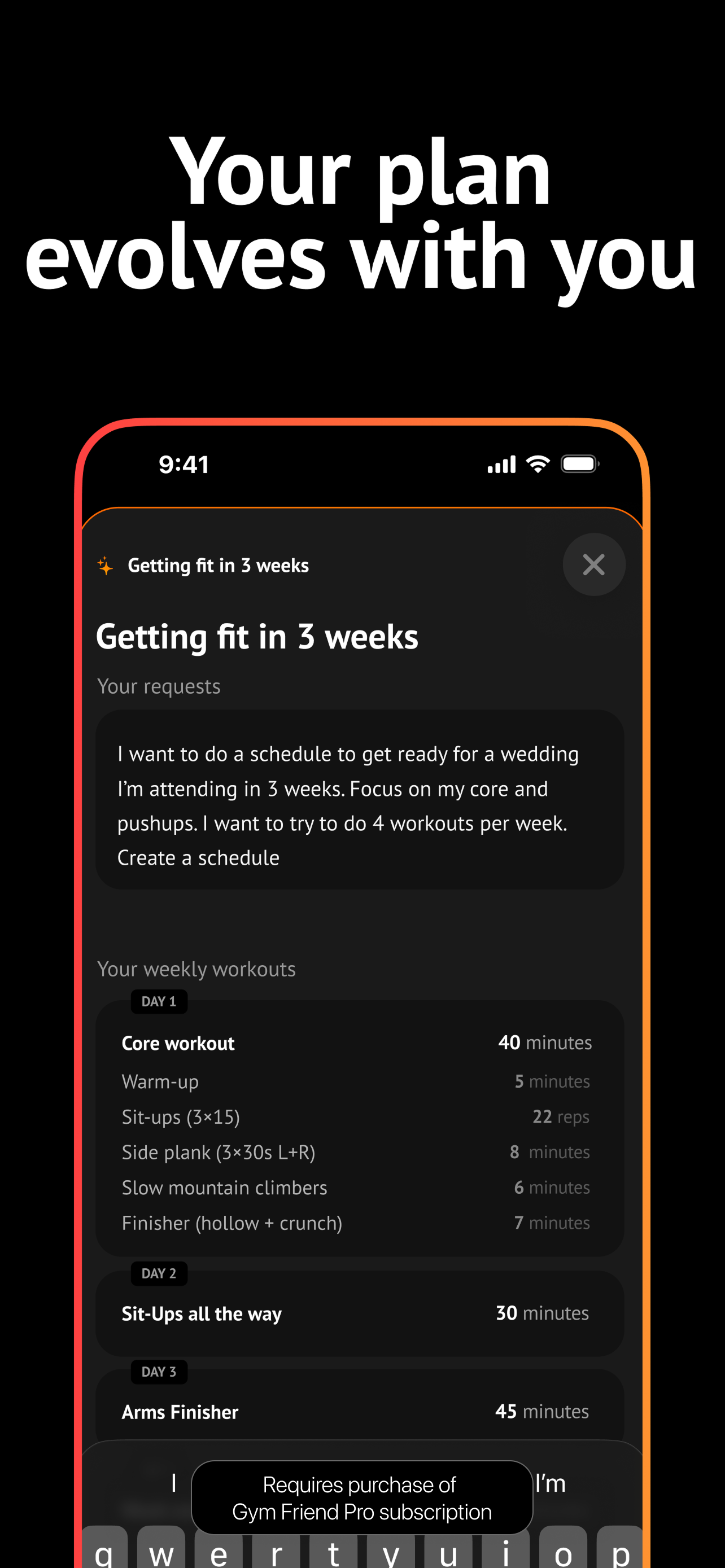
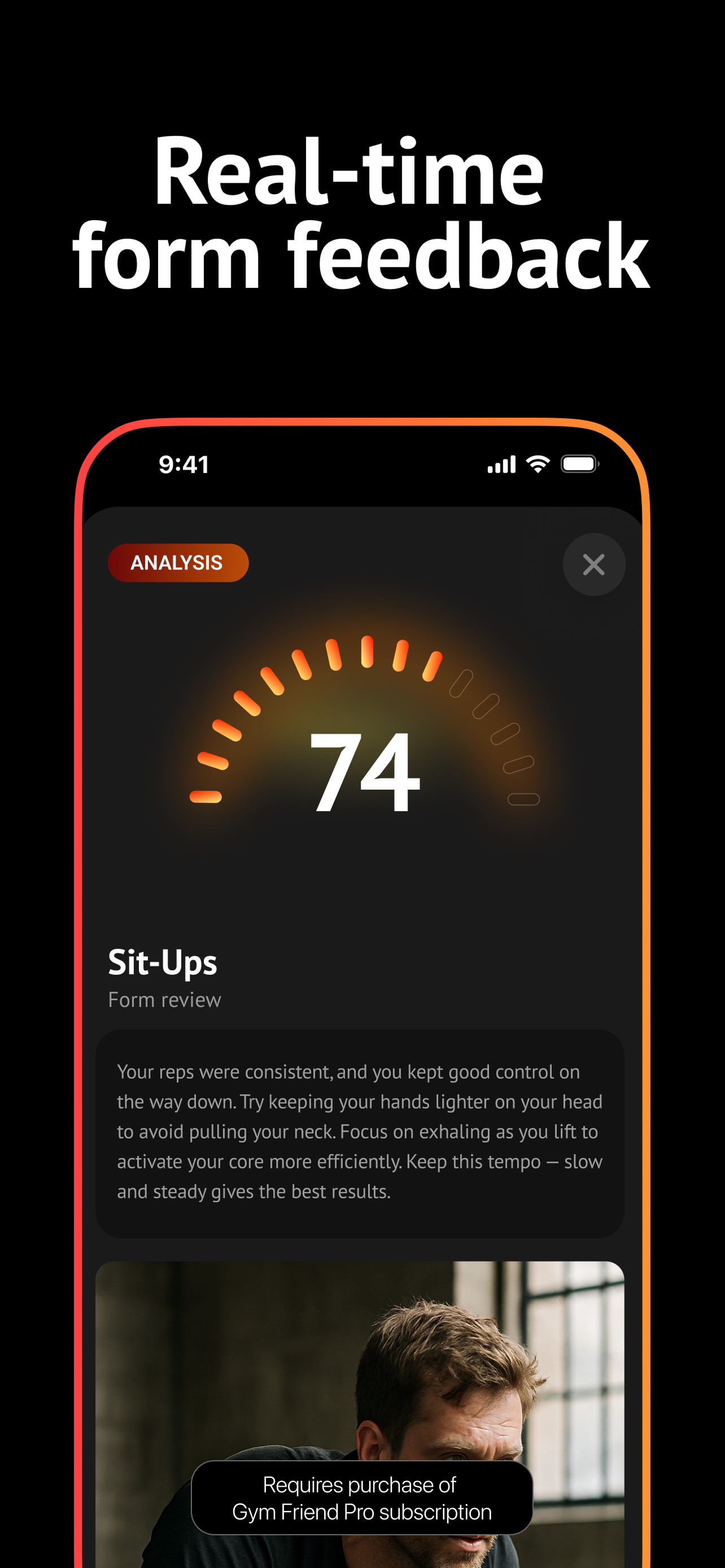
Edit your plan, track progress, and get realtime coaching

Frequently Asked Questions
What time should I work out for best sleep?
Morning or early afternoon is ideal. If training in the evening, finish at least 3 hours before bed and keep intensity moderate.
Will intense training hurt my sleep?
Very intense training close to bedtime can impair sleep due to elevated cortisol and body temperature. Train hard earlier in the day.
How soon will sleep improve?
Many people notice improvement within 1-2 weeks of regular training. Full benefits may take 4-8 weeks of consistent exercise.
Is morning or evening training better?
Research slightly favors morning for sleep benefits, but consistent training at any time helps. Find what fits your schedule.
What about caffeine from pre-workout?
Avoid caffeine within 6-8 hours of bedtime. Train without stimulants in the afternoon or evening.