Strength Training for Men Over 50

After 50, strength training isn't optional—it's essential for maintaining the quality of life you've worked hard to build. Men over 50 face accelerated muscle loss, declining testosterone, and increased risk of metabolic disease. But here's what most men don't realize: these aren't inevitable consequences of aging. They're consequences of inactivity. Strength training can maintain and even build muscle at any age, naturally support testosterone levels, and dramatically reduce disease risk. This program is designed for men over 50, with appropriate exercise selection and progression.
Why Strength Training Matters After 50
Starting around age 30, men begin losing muscle mass at about 3-5% per decade. After 50, this rate accelerates. Without intervention, the average man loses 30% of his muscle mass between 50 and 70. This sarcopenia directly impacts strength, metabolism, mobility, and independence.
Testosterone also declines with age—about 1% per year after 30. While this is natural, sedentary men experience faster decline. Strength training is one of the most effective ways to naturally support healthy testosterone levels.
The good news: muscle responds to training at any age. Studies show men in their 60s, 70s, and even 80s can build significant muscle mass with proper training. It's never too late to start, and the benefits extend far beyond the gym.
Benefits of Strength Training for Men Over 50
Maintained Muscle Mass
Strength training is the only effective way to combat age-related muscle loss and maintain your strength as you age.
Testosterone Support
Heavy compound exercises naturally support healthy testosterone levels, which decline with both age and inactivity.
Metabolic Health
Muscle improves insulin sensitivity and metabolic function, reducing risk of diabetes and heart disease.
Bone Density
Resistance training maintains bone density, reducing osteoporosis and fracture risk.
Joint Health
Strong muscles support and protect joints, often reducing arthritis pain and improving mobility.
Mental Sharpness
Research shows strength training supports cognitive function and may reduce dementia risk.
Program Overview
Who it's for: Men over 50 looking to build and maintain strength, muscle, and health
Don't have all this equipment? GymFriend can build you a custom program using whatever you have available.
Why These Exercises?
Each exercise in this program was selected for a specific reason. Here's why:
Dumbbell Goblet Squat
Easier on the lower back than barbell squats while still building significant leg and core strength.
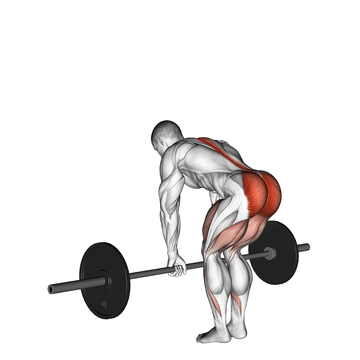
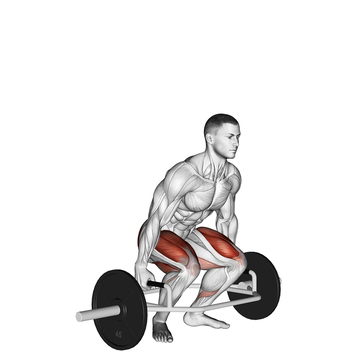
Trap Bar Deadlift
All the benefits of deadlifting with less stress on the lower back—ideal for men over 50.
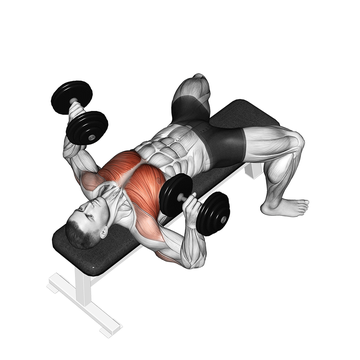
Dumbbell Bench Press
Allows natural shoulder movement, reducing joint stress while building chest strength.
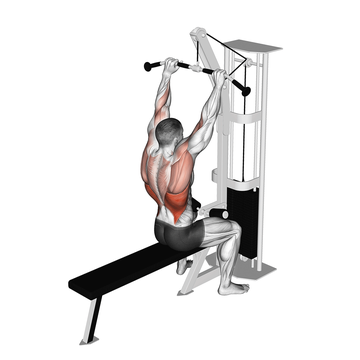
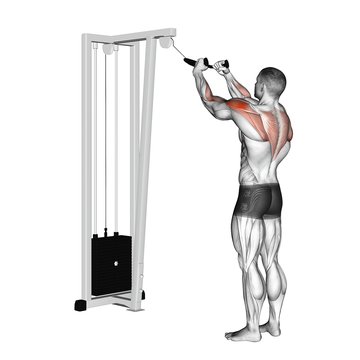
Cable Bar Lateral Pulldown
Builds back strength without requiring the shoulder mobility of pull-ups.
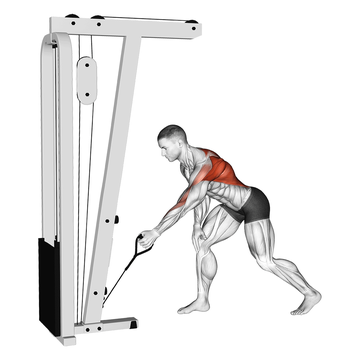
Cable One Arm Bent Over Row
Strengthens the upper back muscles that maintain posture and shoulder health.
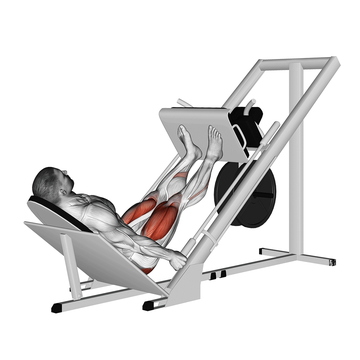
Sled 45° Leg Press
Heavy leg training with back support—builds leg strength safely.
The Complete 3 days Program
Follow this program consistently for best results. Start with weights that feel manageable and aim to increase gradually each week as you get stronger.
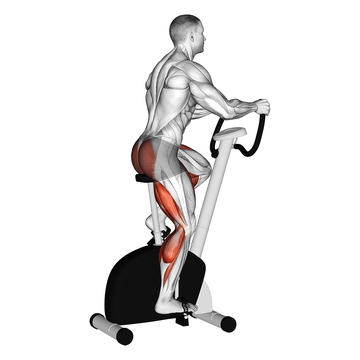
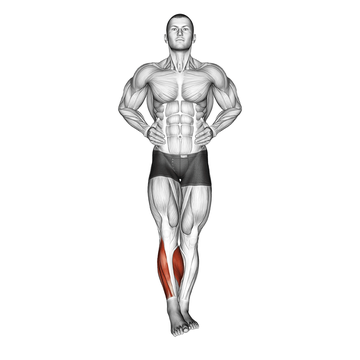
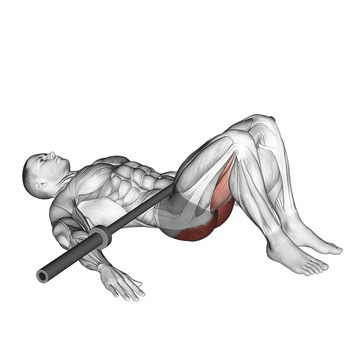
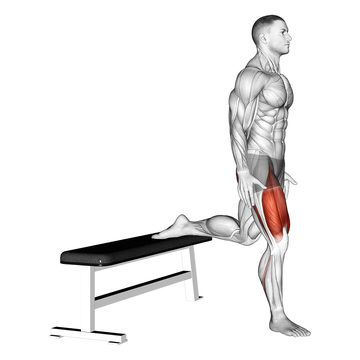

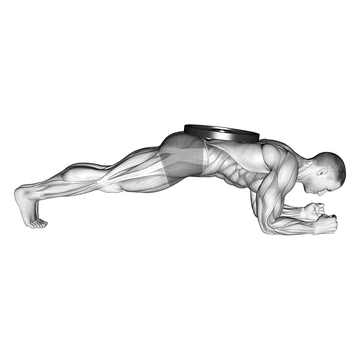
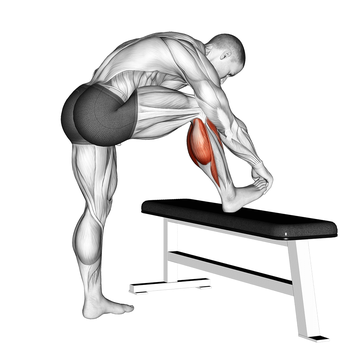
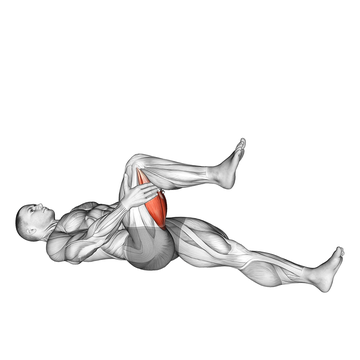
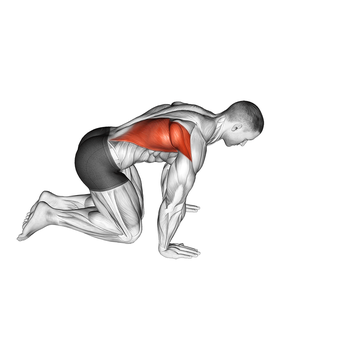
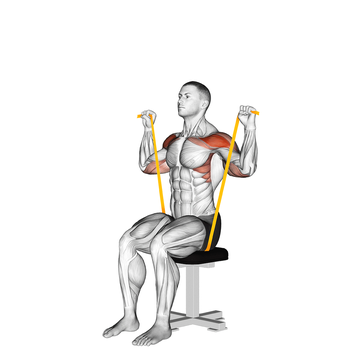
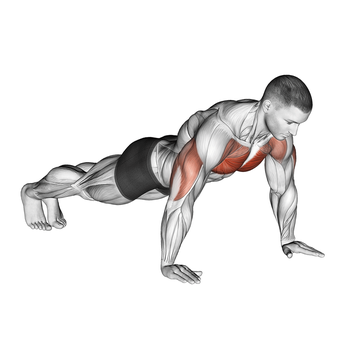
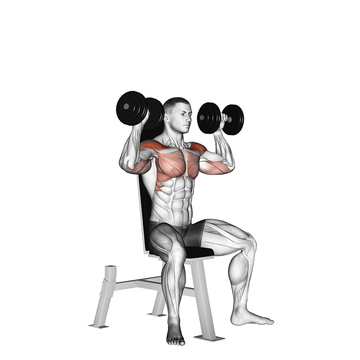
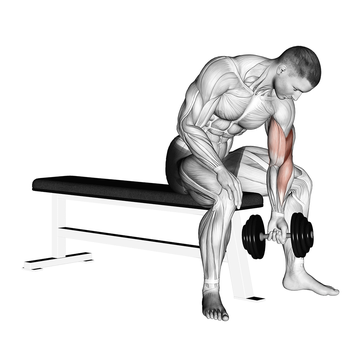
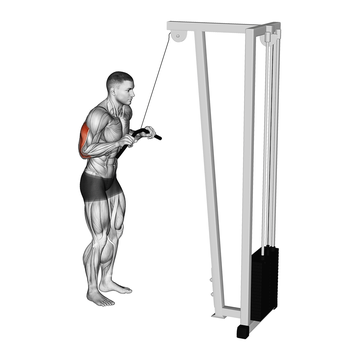
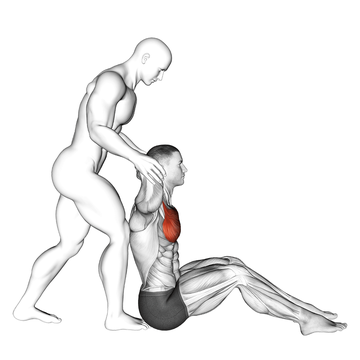
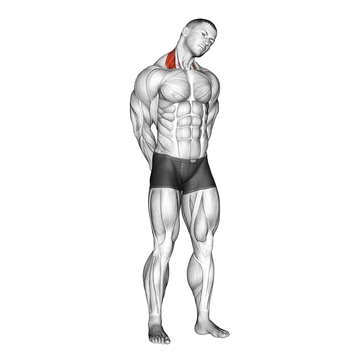
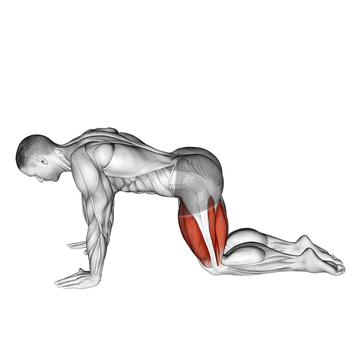
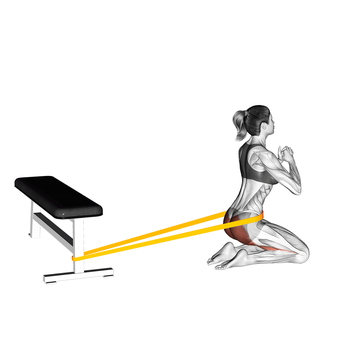
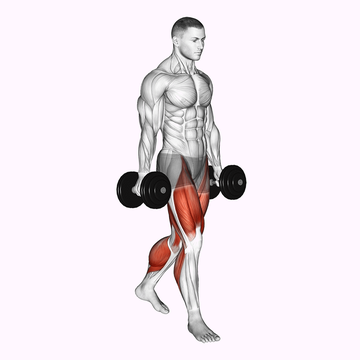
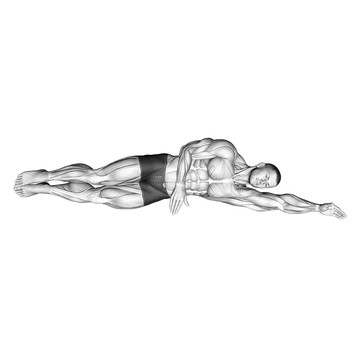
Want this program adjusted for your fitness level, goals, or schedule? GymFriend can create a personalized version just for you.
Getting Started After 50
- Get a physical before starting if you haven't exercised recently or have health concerns.
- Start lighter than your ego wants. Your muscles may remember, but tendons and joints need time to adapt.
- Warm up thoroughly—cold muscles and joints are more injury-prone as we age.
- Prioritize recovery. Sleep, nutrition, and rest days become more important, not less.
- Track your workouts. Progress may be slower than in your 20s, but it's still progress.
- Don't skip mobility work. Flexibility maintains quality of life and reduces injury.
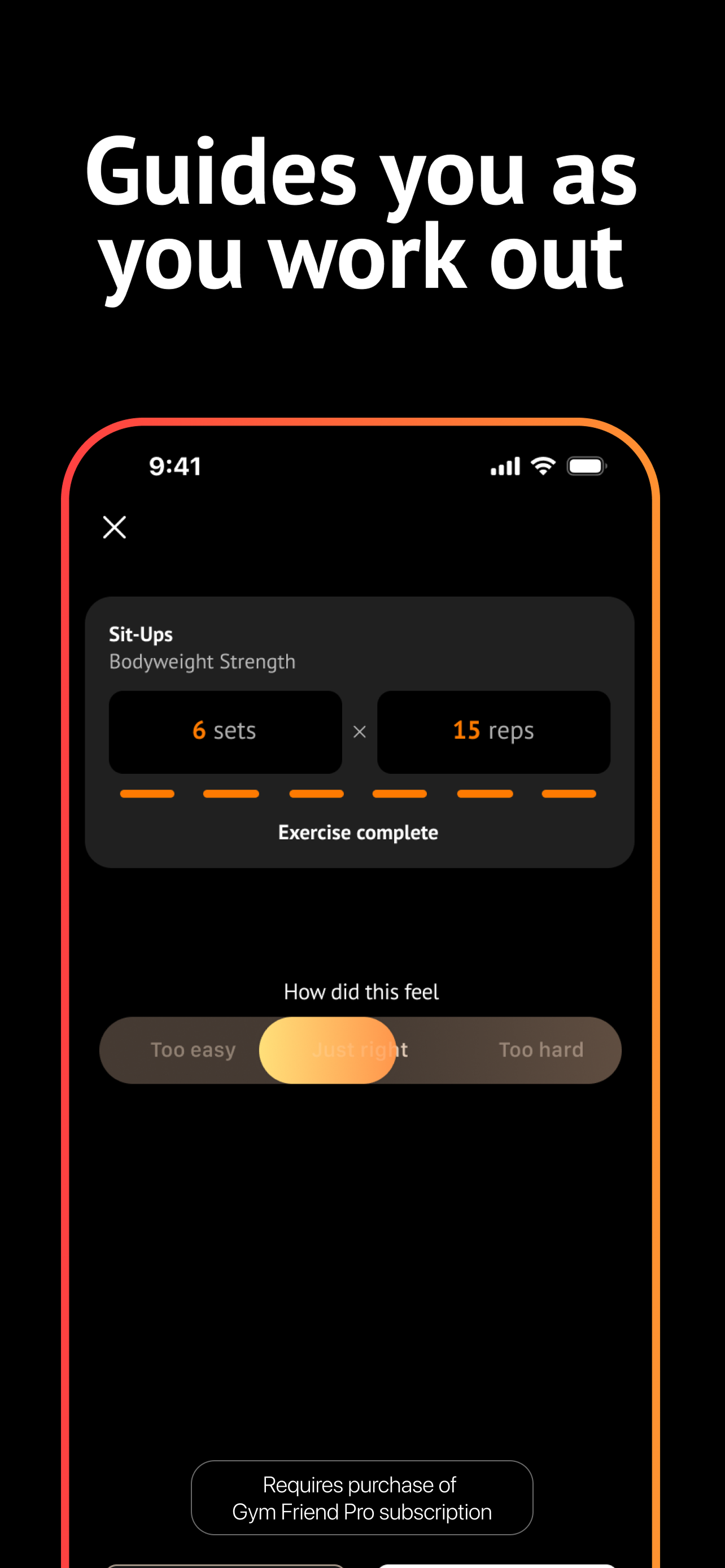
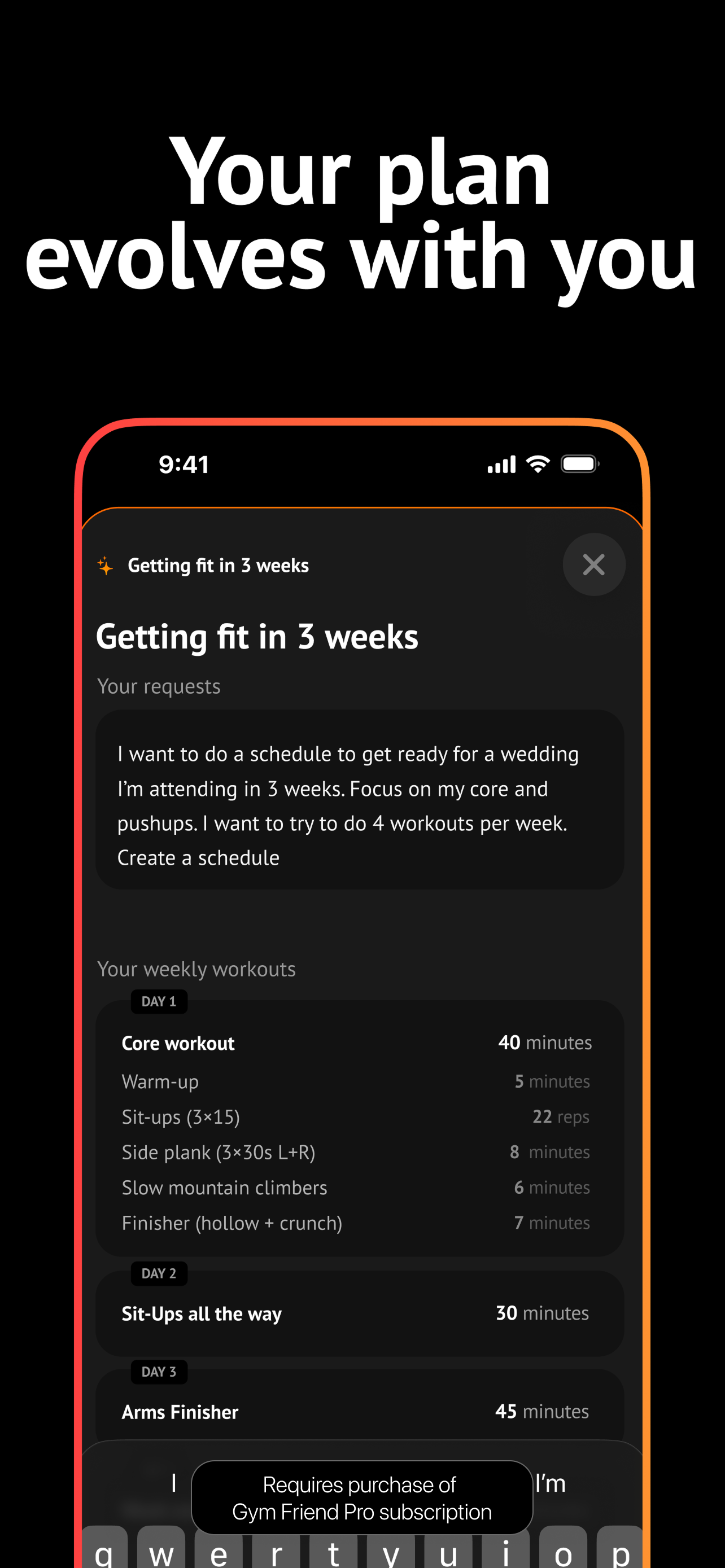
Edit your plan, track progress, and get realtime coaching
Frequently Asked Questions
Is it too late to start strength training at 50+?
Absolutely not. Research shows men can build significant muscle at any age. Starting now gives you decades to enjoy the benefits of improved strength, health, and independence.
How heavy should I lift?
Heavy enough to challenge yourself while maintaining good form. Start conservatively and progress gradually. The last 2-3 reps should be challenging but achievable with proper technique.
What if I have joint pain?
Strength training often helps reduce joint pain by strengthening supporting muscles. Start with lighter weights, choose joint-friendly exercises, and avoid movements that cause sharp pain. Many men with arthritis find significant improvement with training.
Will this help with testosterone levels?
Yes. Heavy compound exercises like squats and deadlifts naturally support healthy testosterone levels. Combined with adequate sleep and nutrition, strength training is one of the best ways to maintain hormonal health.
How long until I see results?
Strength gains often appear within 2-3 weeks. Visible muscle changes typically take 6-8 weeks of consistent training. Progress may be slower than in younger years, but it's still significant.