Rotator Cuff Exercises
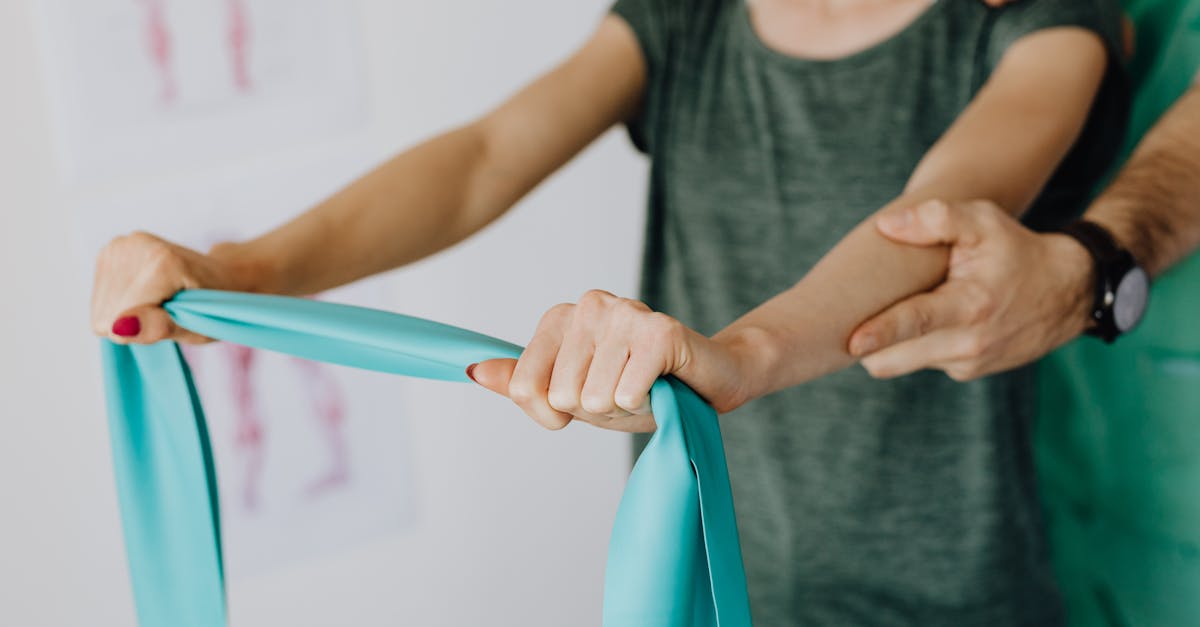
The rotator cuff is a group of four small muscles that stabilize your shoulder joint. They're often neglected until they hurt—and rotator cuff injuries are among the most common shoulder problems. This program strengthens these critical muscles to prevent injury and maintain healthy shoulders.
Understanding the Rotator Cuff
The four rotator cuff muscles—supraspinatus, infraspinatus, teres minor, and subscapularis—surround the shoulder joint and hold the ball in the socket. They control rotation and provide stability.
Rotator cuff problems often develop gradually from overuse or muscle imbalances. Pressing without balanced pulling, poor posture, and overhead activities all stress the cuff.
Prevention is far easier than treatment. Regular rotator cuff work takes minutes and can prevent weeks or months of painful rehabilitation.
Benefits of Rotator Cuff Training
Injury Prevention
Strong cuff muscles resist tears and impingement.
Shoulder Health
Maintain full, pain-free shoulder function.
Better Pressing
Stable shoulders press more safely and effectively.
Reduced Pain
Eliminate minor aches before they become problems.
Athletic Performance
Essential for throwing, swimming, and overhead sports.
Longevity
Healthy shoulders for a lifetime of activity.
Program Overview
Who it's for: Anyone wanting to protect their shoulders from injury
Don't have all this equipment? GymFriend can build you a custom program using whatever you have available.
Why These Exercises?
Each exercise in this program was selected for a specific reason. Here's why:
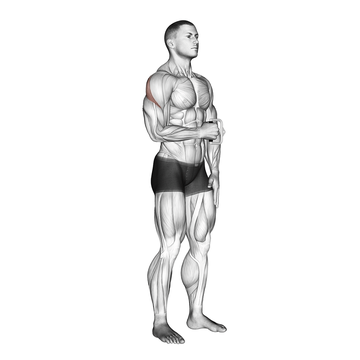
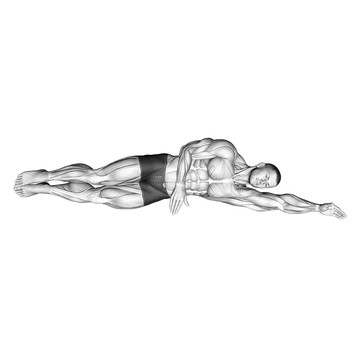
Cable Standing Shoulder External Rotation
Primary external rotator cuff strengthening.
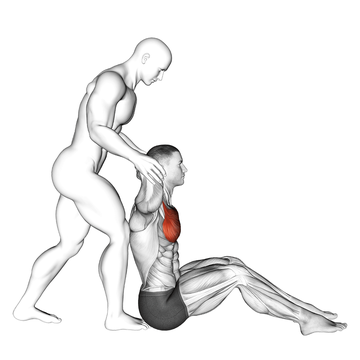
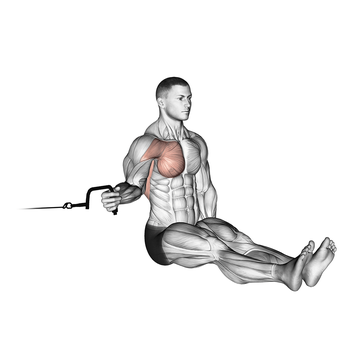
Cable Seated Shoulder Internal Rotation
Subscapularis strengthening.
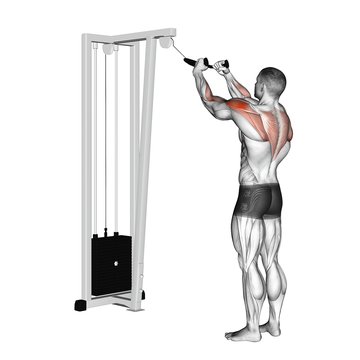
Cable Rear Delt Row (with Rope)
External rotation with scapular retraction.
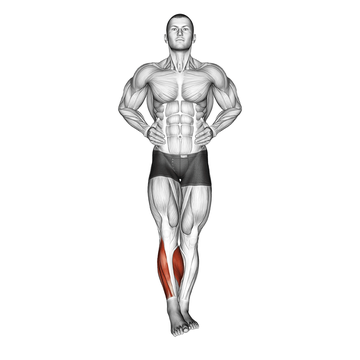
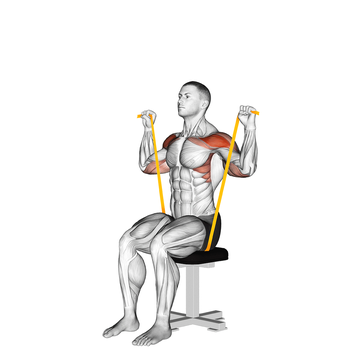
Resistance Band Seated Shoulder Press
Rear delt and rotator cuff activation.
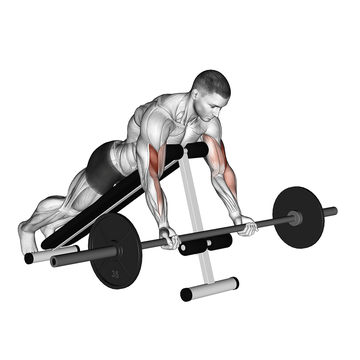
Barbell Prone Incline Curl
Lower trap and rotator cuff in overhead position.
Cable Standing Shoulder External Rotation
Isolated external rotation strengthening.
The Complete 3-4 days Program
Follow this program consistently for best results. Start with weights that feel manageable and aim to increase gradually each week as you get stronger.
Want this program adjusted for your fitness level, goals, or schedule? GymFriend can create a personalized version just for you.
Rotator Cuff Training
- Use LIGHT weight—these are small muscles.
- Focus on control, not strength.
- Include rotator cuff work before pressing or as warmup.
- Stop if you feel sharp pain.
- Consistency matters more than intensity.
- Face pulls count—they're great for cuff health.
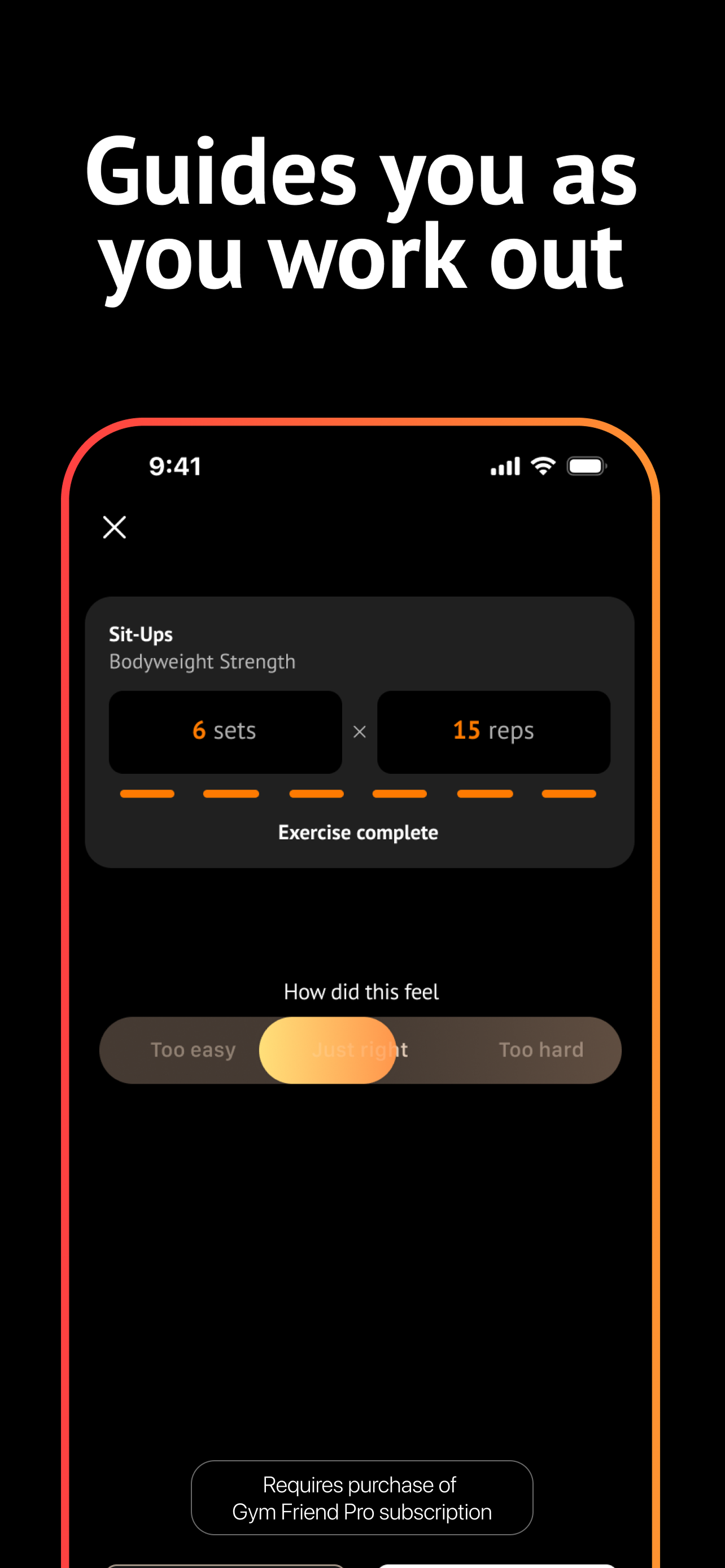
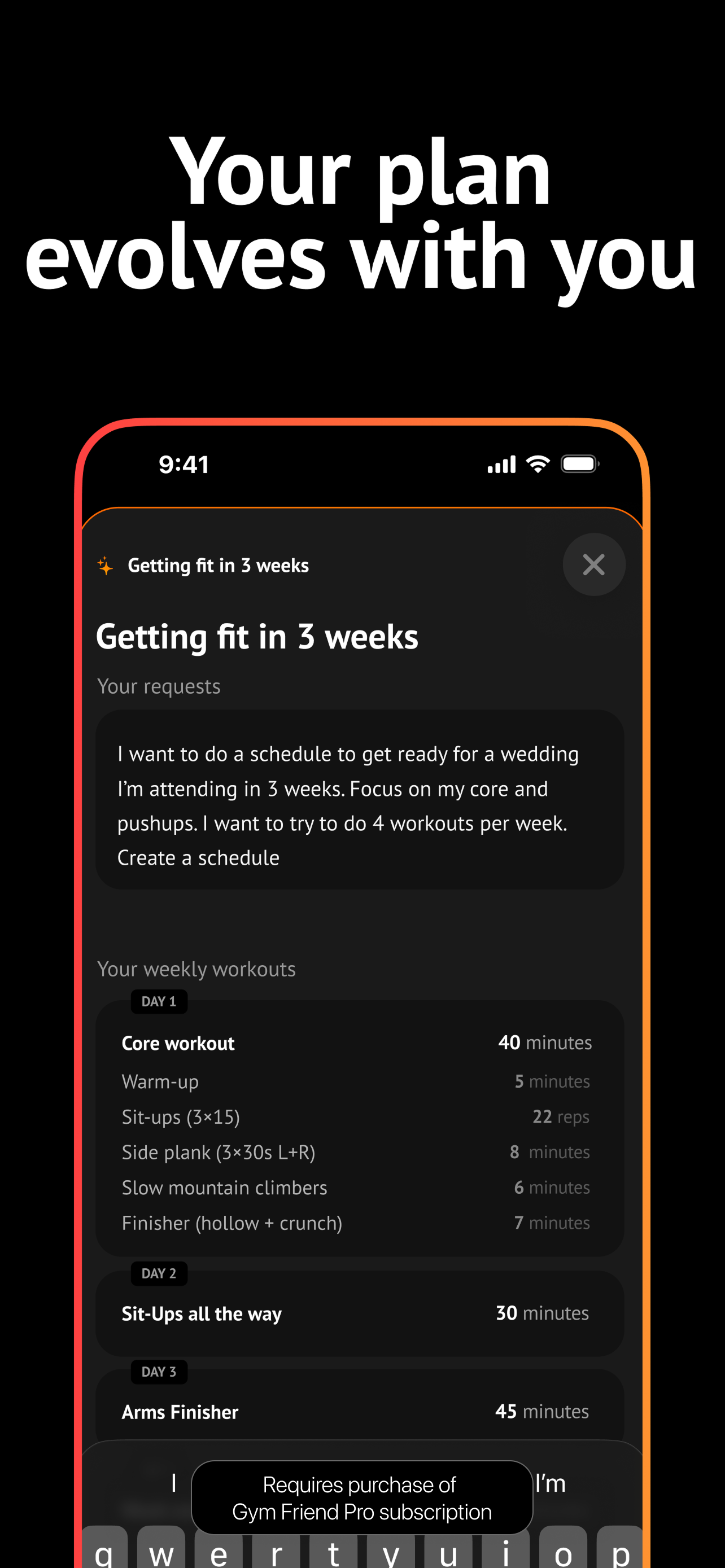
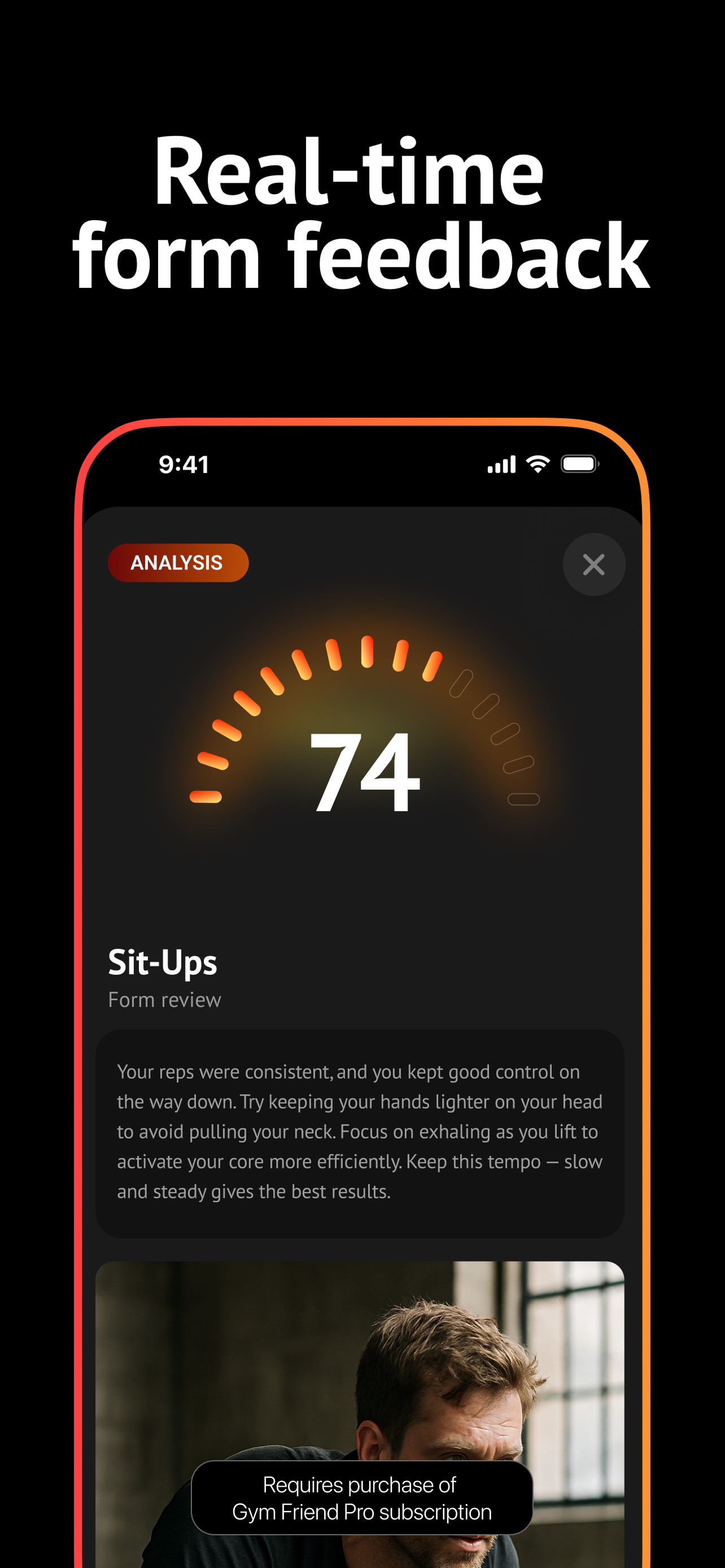
Edit your plan, track progress, and get realtime coaching

Frequently Asked Questions
How heavy should rotator cuff exercises be?
Very light—5-10 lb dumbbells or light bands. These are small muscles that don't need heavy loading. Form and control matter most.
How often should I train rotator cuff?
Light rotator cuff work can be done 3-4 times per week or daily. Include it before upper body sessions.
I have shoulder pain. Should I do these?
Mild strengthening often helps, but see a professional for diagnosis first. Don't train through sharp or increasing pain.
Can rotator cuff exercises fix impingement?
Often yes. Strengthening the cuff and improving posture frequently resolves impingement. Severe cases may need professional treatment.
Are face pulls enough for rotator cuff?
Face pulls are excellent but including direct external rotation work provides more complete cuff development.