Core Training for Back Pain

Back pain affects 80% of adults at some point, and weak core muscles are often the culprit. Your core isn't just your abs—it's the entire cylinder of muscles surrounding your spine that provides support and stability. When these muscles are weak, your spine bears more stress, leading to pain and injury. This program strengthens the deep stabilizing muscles that protect your back, often reducing pain significantly within weeks.
How Core Strength Protects Your Back
Your spine is designed for mobility, not bearing heavy loads. The muscles surrounding it—abs, obliques, lower back, pelvic floor—act as a natural brace that supports the spine during movement. When these muscles are strong and coordinated, they distribute forces evenly and protect vulnerable structures.
Most back pain comes from poor movement patterns and muscle imbalances, not structural damage. Sitting all day weakens the core, tightens hip flexors, and creates the conditions for pain. Targeted strengthening reverses these patterns.
Core training for back pain emphasizes stability (resisting movement) over flexion (crunching). Traditional crunches can actually aggravate back issues. This program focuses on exercises that train the core to brace and stabilize—exactly what it needs to do in real life.
Benefits of Core Training for Back Pain
Reduced Pain
Strong core muscles take load off the spine, often significantly reducing chronic back pain.
Injury Prevention
A stable core protects against future injury during lifting, bending, and daily activities.
Better Posture
Core strength supports proper spinal alignment, reducing the slouching that causes pain.
Improved Function
Move through daily activities—bending, lifting, reaching—with less discomfort.
Reduced Medication
Many people reduce or eliminate pain medication as core strength improves.
Long-Term Health
Building core strength now prevents the debilitating back problems common with aging.
Program Overview
Who it's for: Anyone with chronic back pain or looking to prevent back problems
Don't have all this equipment? GymFriend can build you a custom program using whatever you have available.
Why These Exercises?
Each exercise in this program was selected for a specific reason. Here's why:
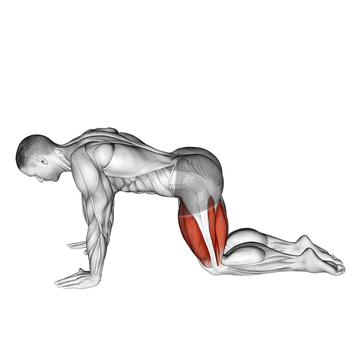
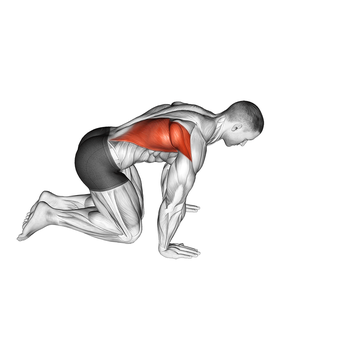
All Fours Squad Stretch
Trains core stability while maintaining neutral spine. Safe and effective for back pain.
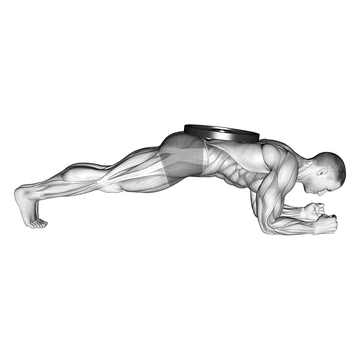
Weighted Front Plank
Builds front core stability without spinal flexion. The foundation of back protection.
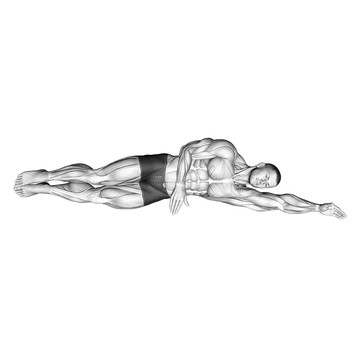
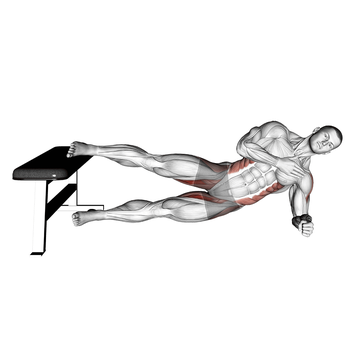
Side Plank Hip Adduction
Strengthens lateral stabilizers that prevent sideways spinal stress.
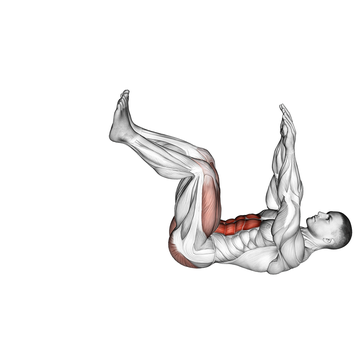
Dead Bug
Teaches core bracing while moving limbs—exactly what your back needs in real life.
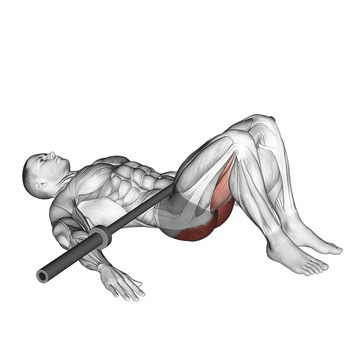
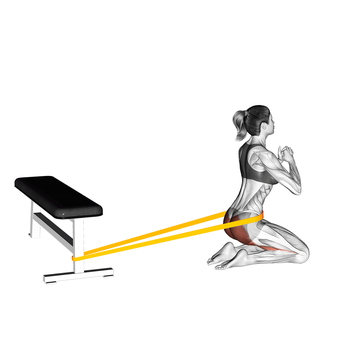
Barbell Glute Bridge
Strengthens glutes that support the lower back. Weak glutes contribute to back pain.
All Fours Squad Stretch
Gentle spinal mobility that doesn't stress the back. Reduces stiffness.
The Complete 3-4 days (core exercises can be done more frequently than other muscle groups) Program
Follow this program consistently for best results. Start with weights that feel manageable and aim to increase gradually each week as you get stronger.
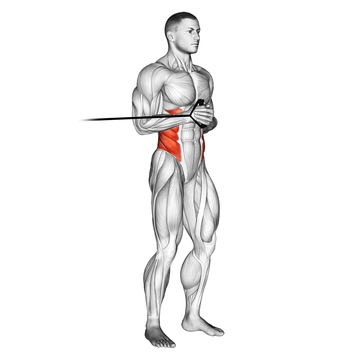
Want this program adjusted for your fitness level, goals, or schedule? GymFriend can create a personalized version just for you.
Training Safely with Back Pain
- Start conservatively. If an exercise causes pain, stop or modify it.
- Focus on bracing exercises (planks, bird dogs) rather than flexion exercises (crunches).
- Maintain neutral spine during exercises. Don't let your lower back arch or round excessively.
- Progress slowly. Your back needs time to adapt, even if muscles feel ready.
- Consistency matters more than intensity. Regular training produces better results than occasional hard workouts.
- Consult a doctor or physical therapist if you have severe pain, numbness, or tingling.
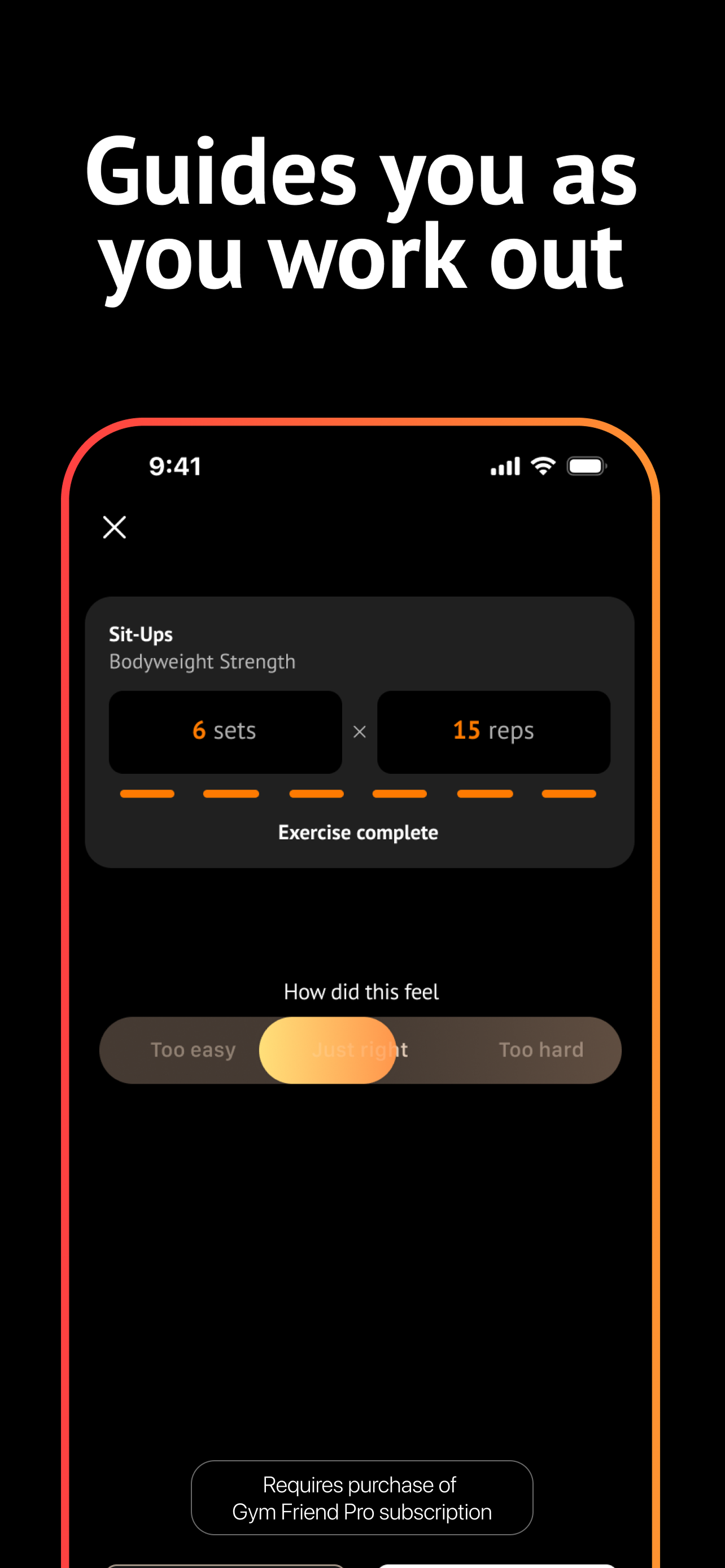
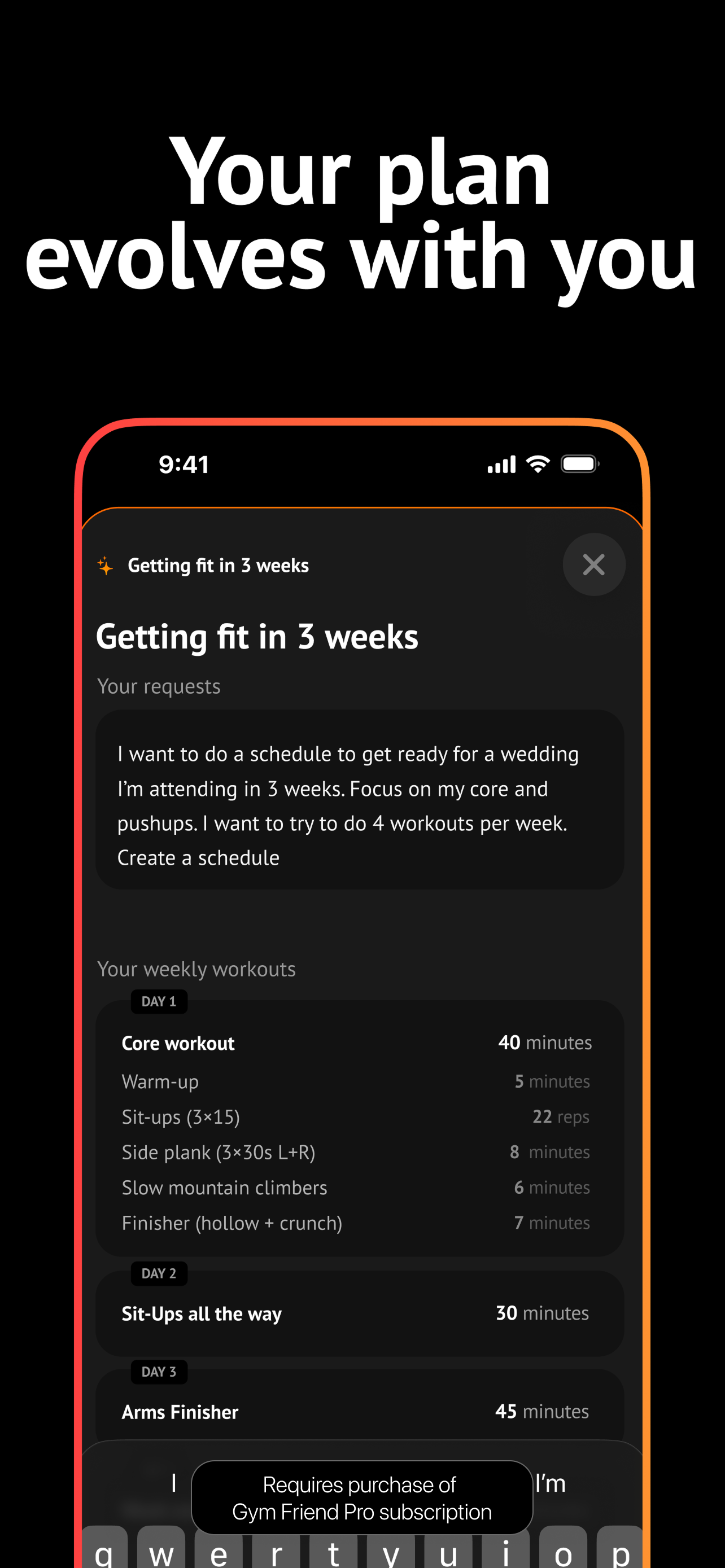
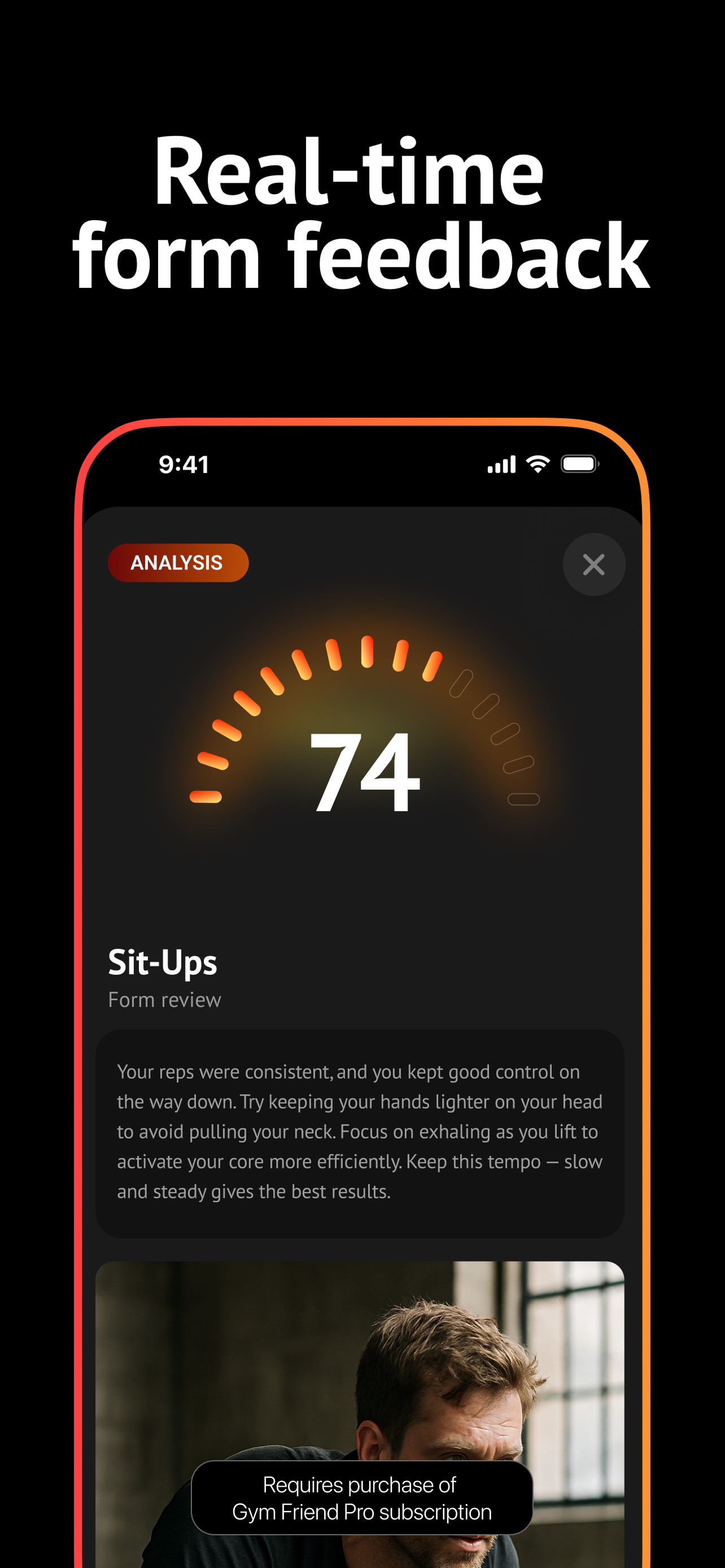
Edit your plan, track progress, and get realtime coaching


Frequently Asked Questions
Won't core exercises make my back pain worse?
The right exercises typically improve back pain. This program avoids movements that stress the spine (like crunches) and focuses on stability exercises that protect it. Stop any exercise that causes sharp pain.
How long until I feel improvement?
Many people notice reduced pain within 2-4 weeks of consistent training. Significant improvement typically requires 6-8 weeks. Some relief may come even sooner.
Should I avoid crunches?
Generally yes if you have back pain. Crunches repeatedly flex the spine under load, which can aggravate many back conditions. Planks and bracing exercises are safer and more functional.
Can I do this program with a herniated disc?
Many of these exercises are appropriate for disc issues, but consult your doctor or physical therapist first. Avoid any exercise that causes pain radiating down your leg.
How often should I train?
Core muscles recover quickly and can be trained 3-4 times per week, or even daily for some exercises. Start with 3 days and adjust based on how you feel.