Bodyweight Exercises for Strength
Your body is the original strength training equipment—and it can build impressive strength when used intelligently. Bodyweight training isn't just for beginners; gymnastics, calisthenics, and military training have proven that bodyweight alone can develop exceptional strength. The key is progression—making exercises harder as you get stronger. This program shows you how to build real strength without any equipment.
Bodyweight Strength Principles
Progressive overload applies to bodyweight too—you just change leverage instead of adding weight. A standard push-up becomes harder when elevated, then archer, then one-arm. Each progression demands more strength without needing equipment.
Relative strength is king in bodyweight training. A 150 lb person doing pull-ups is lifting 150 lbs. Getting stronger means either getting better at the movement or losing unnecessary weight. Both approaches work.
Tension and control matter more than reps. A slow, controlled push-up builds more strength than fast, bouncy reps. Time under tension and full range of motion are your primary variables.
Benefits of Bodyweight Strength Training
No Equipment Needed
Train anywhere—hotel rooms, parks, your living room.
Functional Strength
Build strength moving your body through space—the most functional pattern.
Joint Health
Closed-chain exercises are easier on joints than machines.
Body Awareness
Develop proprioception and control of your own body.
Scalability
Progressions take you from complete beginner to extremely advanced.
Zero Cost
No gym, no equipment, no ongoing expenses.
Program Overview
Who it's for: Anyone wanting to build strength without equipment
Want a program built for you?
Petite Strength creates a personalized program based on your equipment, body type, and goals.
Create Your Program30 secWhy These Exercises?
Each exercise in this program was selected for a specific reason. Here's why:
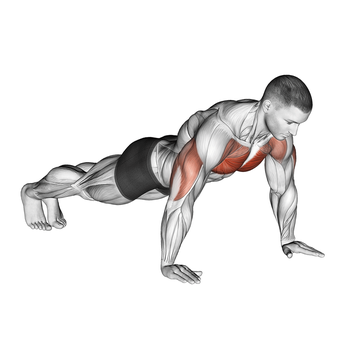
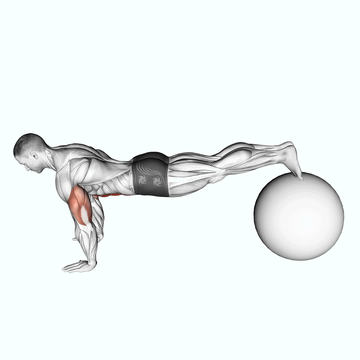
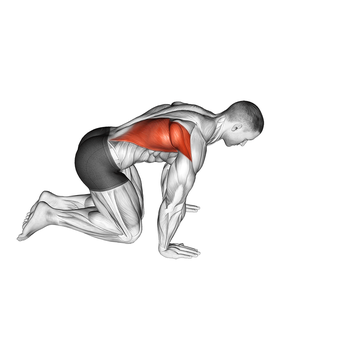
Push-up
The fundamental pushing exercise. Endless progressions from wall to one-arm.
Pull-up
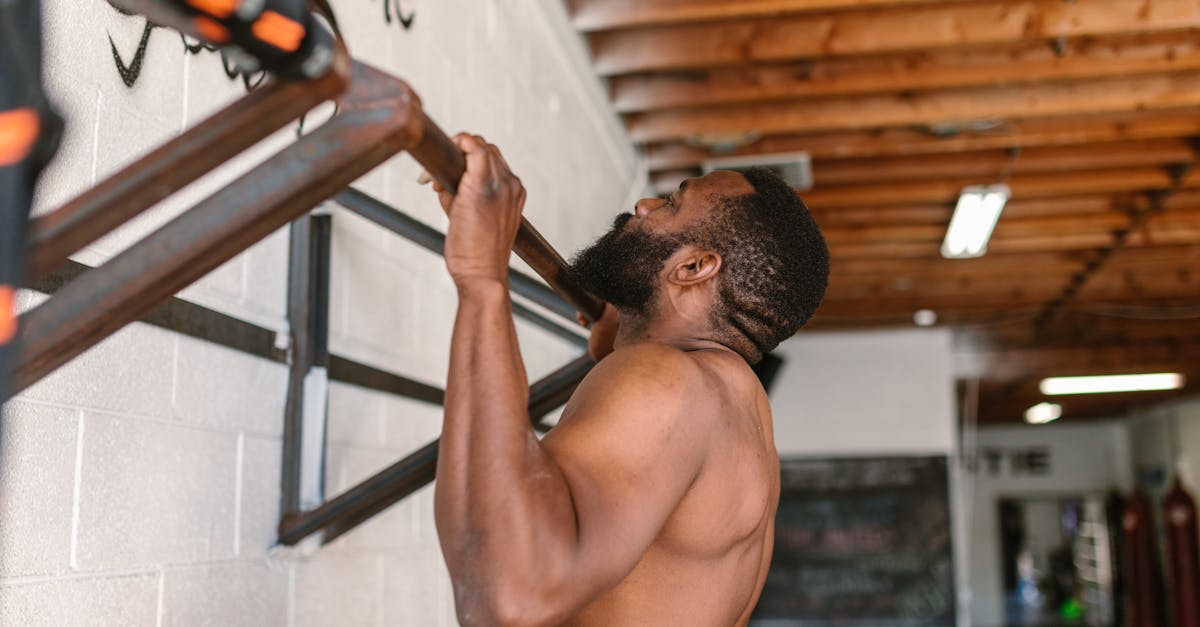
The best bodyweight pulling exercise. Builds serious back and arm strength.
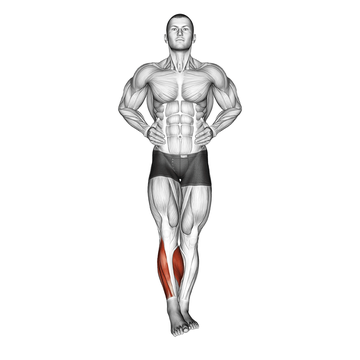
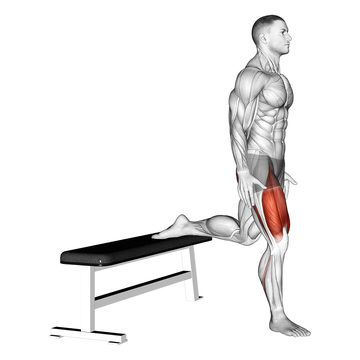
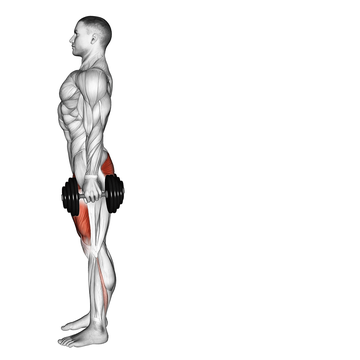
Quads (bodyweight Squat)
Lower body foundation. Progress to pistol squats for single-leg strength.
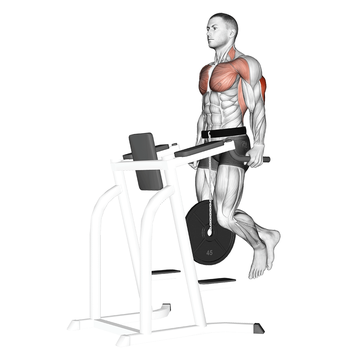
Weighted Tricep Dips
Upper body pushing for chest and triceps. Use chairs or parallel surfaces.
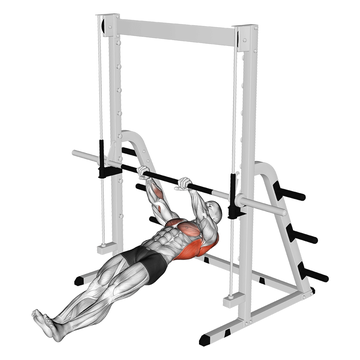
Inverted Row
Horizontal pulling to balance push-ups. Use a table or low bar.
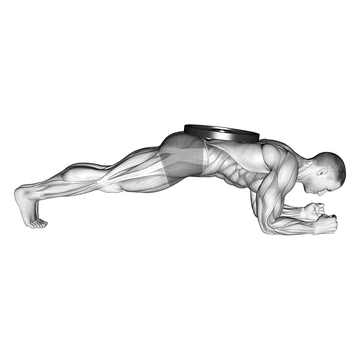
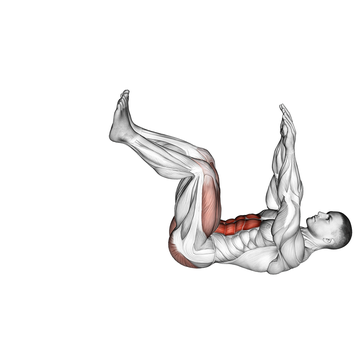
Weighted Front Plank
Core stability foundation. Progress to harder variations.
The Complete 3 days Program
Follow this program consistently for best results. Start with weights that feel manageable and aim to increase gradually each week as you get stronger.
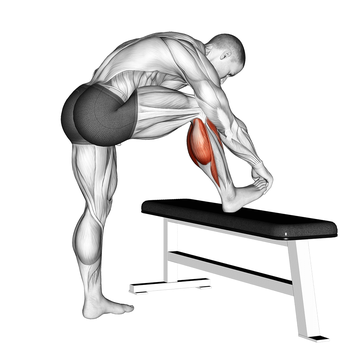
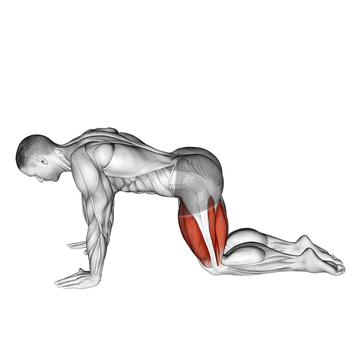
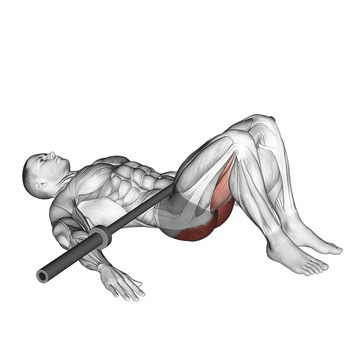
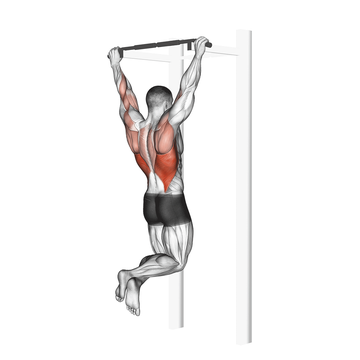
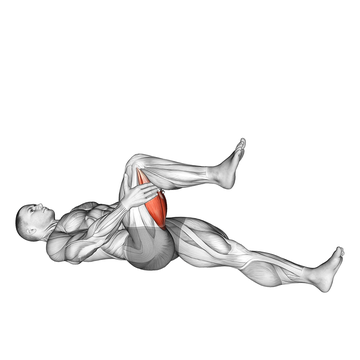
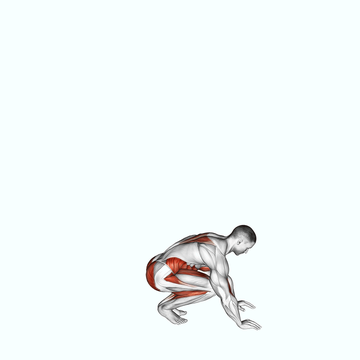
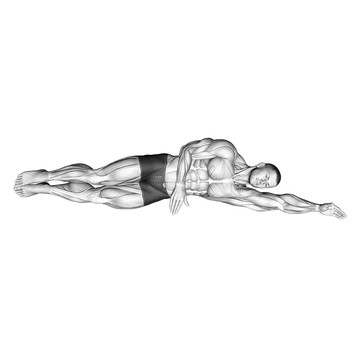
Want a program built for you?
Petite Strength creates a personalized program based on your equipment, body type, and goals.
Create Your Program30 secBuilding Bodyweight Strength
- Master the basic version before progressing. Solid push-ups before decline push-ups.
- Control the movement. 3 seconds down, 1 second up builds more strength than fast reps.
- Full range of motion always. Chest to floor on push-ups, chin over bar on pull-ups.
- If you can't do an exercise, find an easier variation. Wall push-ups lead to regular push-ups.
- Add pauses to make exercises harder without changing them.
- Train weak points specifically. Can't do pull-ups? Do negatives and dead hangs.
Frequently Asked Questions
Can bodyweight training build muscle?
Yes. Muscle responds to tension, not weight. Challenging bodyweight exercises build muscle effectively. Advanced calisthenics athletes are extremely muscular.
What if I can't do a pull-up?
Start with negatives (jumping up and lowering slowly), dead hangs, and inverted rows. Most people can build to their first pull-up within 4-8 weeks of focused training.
How do I make exercises harder without weights?
Change leverage (elevate feet on push-ups), go single-limb (pistol squats), add pauses, slow the tempo, or progress to harder variations.
Is bodyweight training enough for legs?
For most people, yes. Pistol squats, shrimp squats, and Nordic curls provide serious leg challenge. Very strong people may need added weight eventually.
How quickly will I progress?
Beginners often see rapid improvement—from 5 push-ups to 15 within weeks. Advanced progressions (muscle-ups, one-arm push-ups) take months to years.
Get a Free Personalized Program
Every body is different. Petite Strength will build a strength program tailored to your exact needs: