Workouts for Building Muscle

Building muscle requires more than just showing up at the gym. It requires the right training stimulus: appropriate volume, intensity, and frequency applied consistently over time. This program is built on evidence-based hypertrophy principles—moderate rep ranges, adequate volume, and progressive overload—to maximize muscle growth. Whether you're a beginner looking to build your foundation or intermediate lifter seeking more size, this program delivers.
The Science of Muscle Growth
Muscle growth (hypertrophy) occurs when you create mechanical tension and metabolic stress in muscle fibers, then recover with adequate nutrition and rest. Training provides the stimulus; recovery provides the growth. Neither works without the other.
Research shows that moderate rep ranges (6-12 reps) are optimal for hypertrophy, though muscle can be built across a wide spectrum. Training each muscle 2-3 times per week produces more growth than once-weekly body part splits. Volume (total sets) is one of the strongest predictors of muscle growth—up to a point.
Progressive overload is non-negotiable. Your muscles adapt to the demands you place on them. If those demands never increase, neither does your muscle. Add weight, add reps, or add sets over time—but you must progress.
Benefits of Building Muscle
Improved Aesthetics
Muscle creates the shape and definition that defines an athletic physique.
Higher Metabolism
Muscle burns more calories at rest than fat, making weight management easier.
Increased Strength
Bigger muscles are stronger muscles. Size and strength go together.
Better Health
More muscle mass is associated with lower all-cause mortality and better metabolic health.
Improved Confidence
Looking better translates to feeling better in all areas of life.
Longevity
Muscle mass protects against age-related decline and maintains quality of life.
Program Overview
Who it's for: Anyone focused on maximizing muscle growth
Want a program built for you?
Petite Strength creates a personalized program based on your equipment, body type, and goals.
Create Your Program30 secWhy These Exercises?
Each exercise in this program was selected for a specific reason. Here's why:
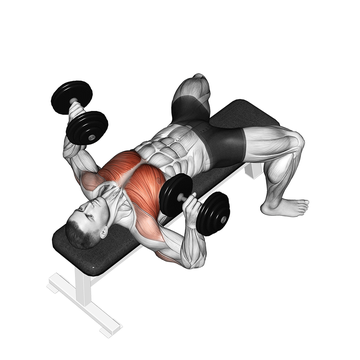
Barbell Bench Press
The foundational chest builder. Heavy compound pressing develops chest, front delts, and triceps.
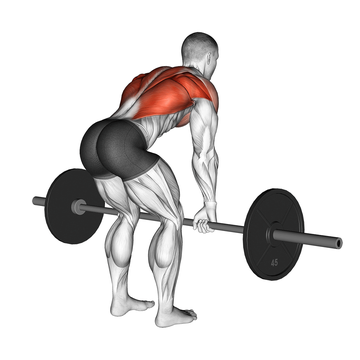
Barbell Bent Over Row
Heavy rowing builds a thick back. Essential for balanced upper body development.
Barbell Full Squat
The king of leg exercises. Nothing builds quads and overall leg mass like heavy squats.
Barbell Romanian Deadlift
Superior hamstring and glute builder. Creates the posterior chain mass that squats miss.
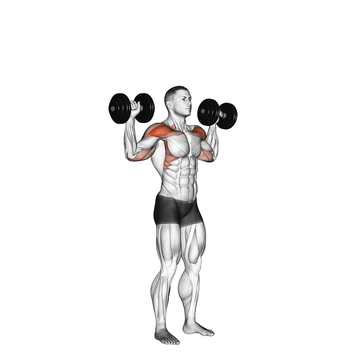
Dumbbell Standing Overhead Press
Primary shoulder builder. Creates the capped delts that complete upper body development.
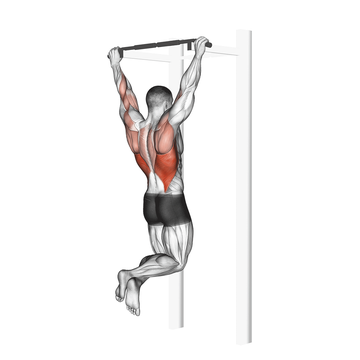
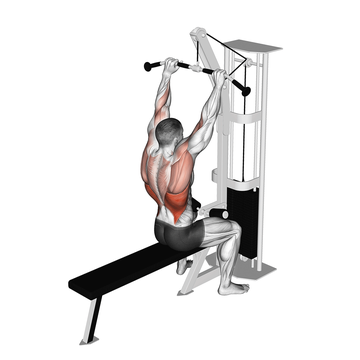
Pull-up
Best lat builder available. Creates back width that defines an athletic physique.
The Complete 4 days (Upper/Lower split) Program
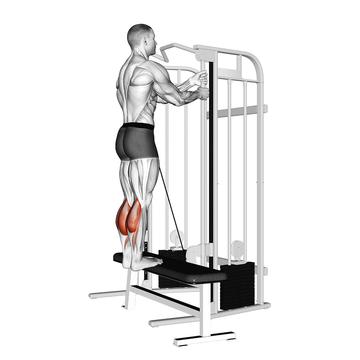
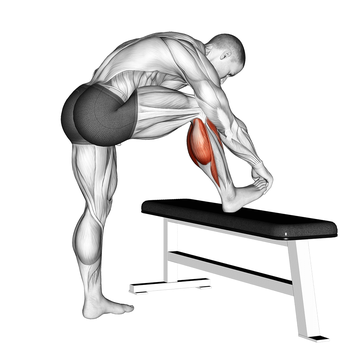
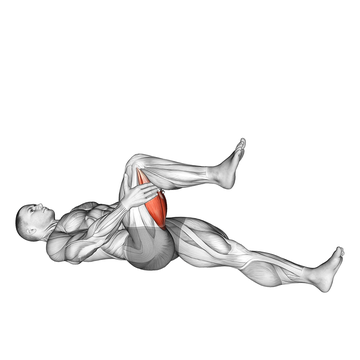
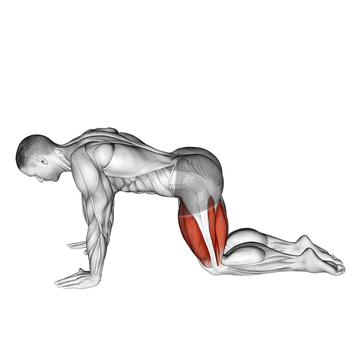
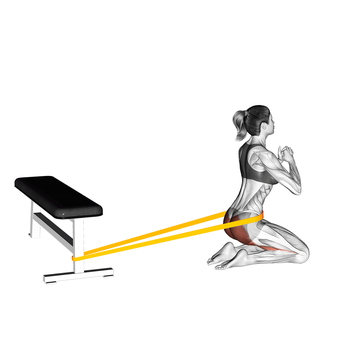
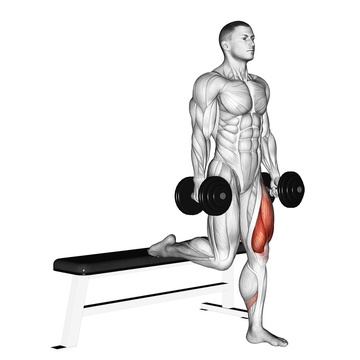
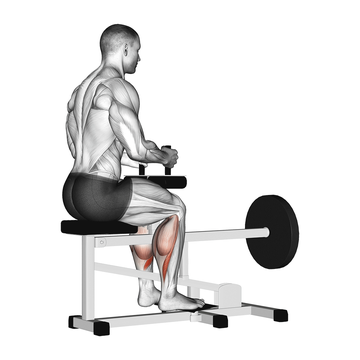
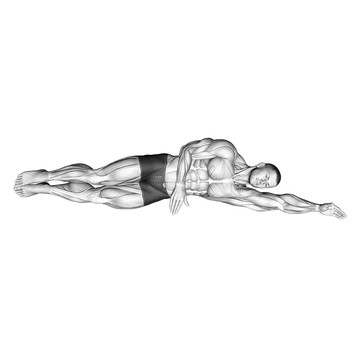
Follow this program consistently for best results. Start with weights that feel manageable and aim to increase gradually each week as you get stronger.
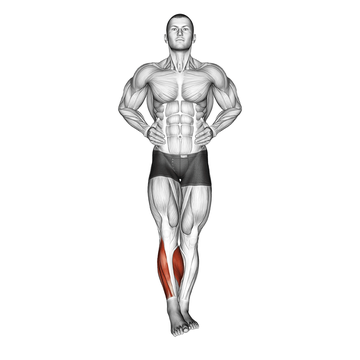
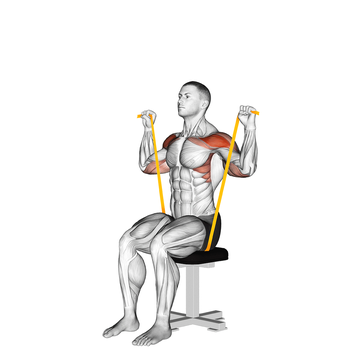
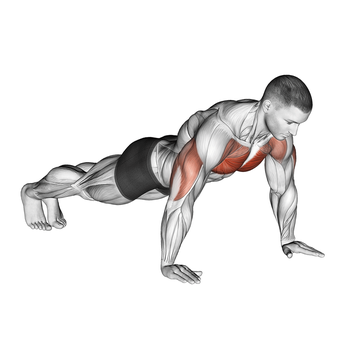
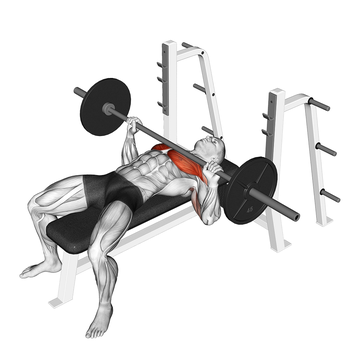
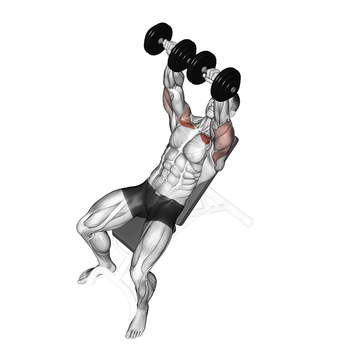
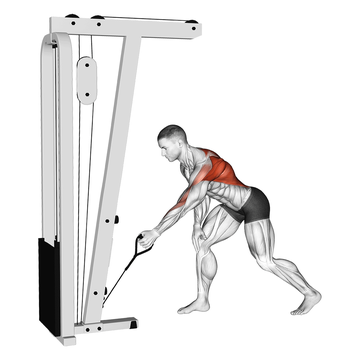
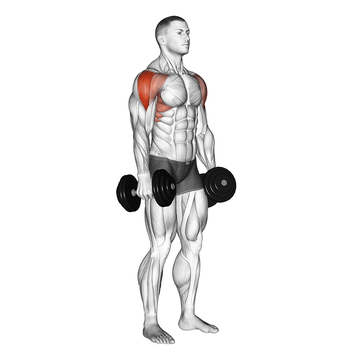
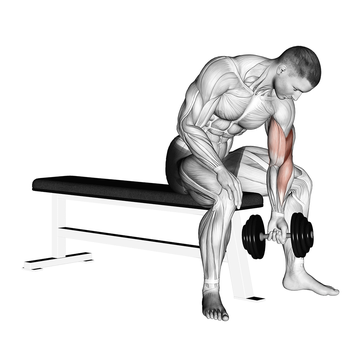
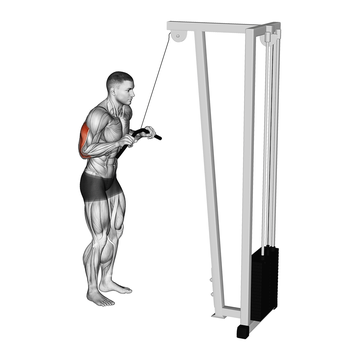
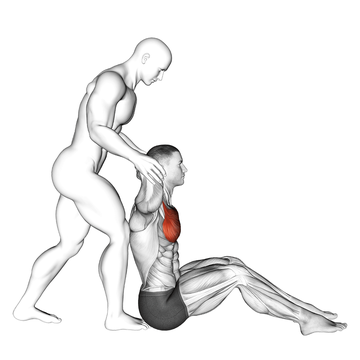
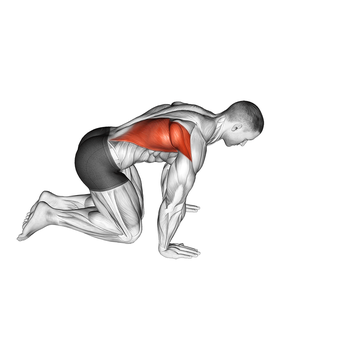
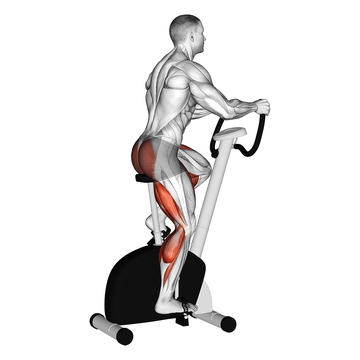
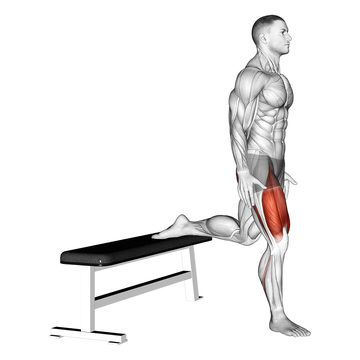
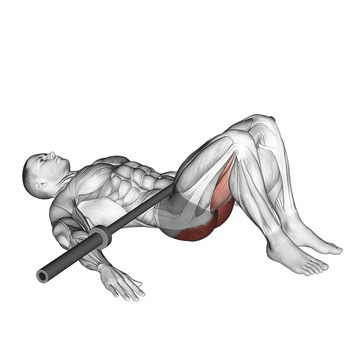
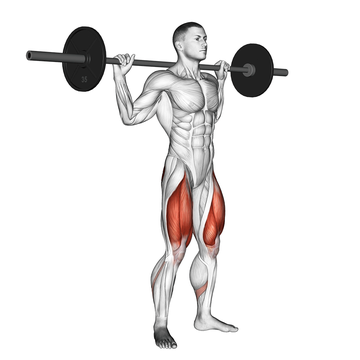
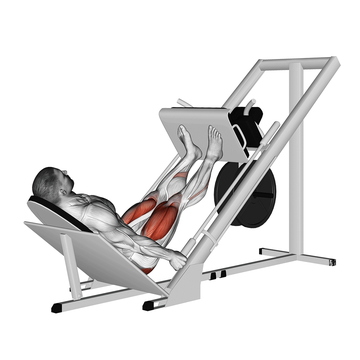
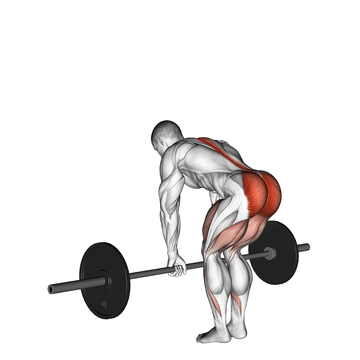
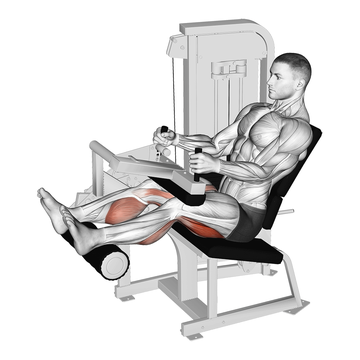
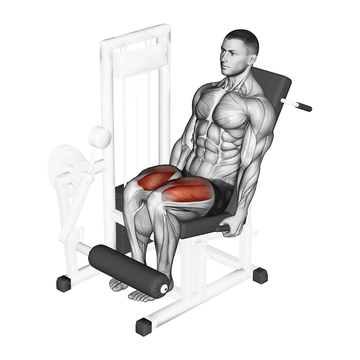
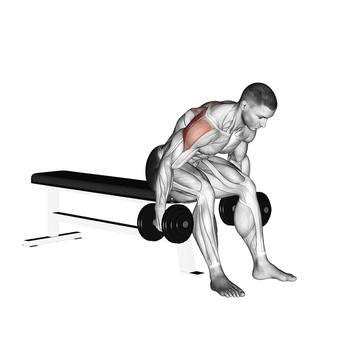
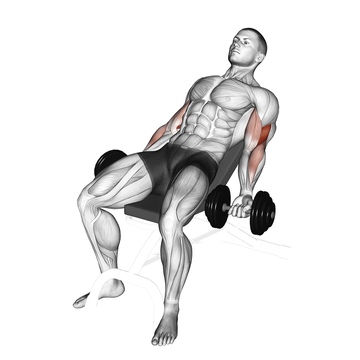
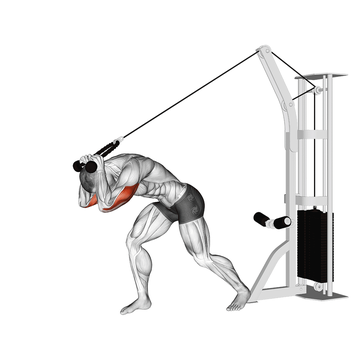
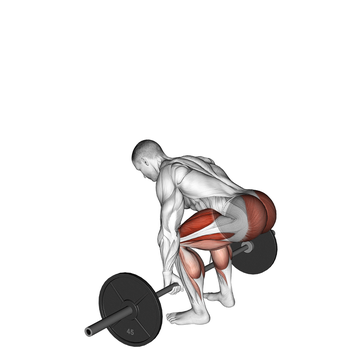
Want a program built for you?
Petite Strength creates a personalized program based on your equipment, body type, and goals.
Create Your Program30 secMaximizing Muscle Growth
- Eat in a caloric surplus (200-500 calories above maintenance). You can't build muscle from nothing.
- Prioritize protein (0.8-1g per pound of bodyweight). This is the raw material for muscle building.
- Progress consistently. Add weight or reps each week. Small increases compound over time.
- Train with intensity. The last 2-3 reps should be genuinely challenging.
- Sleep 7-9 hours nightly. Growth hormone peaks during deep sleep.
- Track your workouts. You can't improve what you don't measure.
Frequently Asked Questions
How quickly will I build muscle?
Beginners can gain 1-2 lbs of muscle per month with optimal training and nutrition. Intermediate lifters gain 0.5-1 lb per month. These rates require caloric surplus and consistent training.
Should I bulk or cut?
If you're under 15% body fat (men) or 22% (women), a lean bulk makes sense. If you're higher, consider cutting first. You can build muscle in a slight deficit when starting out.
How important is the pump?
The pump indicates blood flow and metabolic stress, which contribute to growth. But it's not the only factor—progressive overload with heavy weights matters more for long-term gains.
Can I build muscle without supplements?
Yes. Real food provides everything you need. Supplements can be convenient but aren't necessary. If you use any, creatine monohydrate is the only one with strong evidence for muscle building.
Why does this program train each muscle twice per week?
Research shows training a muscle 2-3 times per week produces more growth than once weekly. Muscle protein synthesis is elevated for about 24-48 hours after training, so more frequent stimulus maximizes growth.
Get a Free Personalized Program
Every body is different. Petite Strength will build a strength program tailored to your exact needs: