Training for Hypertrophy

Hypertrophy training is the systematic pursuit of muscle growth. Unlike strength training (focused on moving maximum weight) or endurance training (focused on sustained effort), hypertrophy training optimizes the variables that drive muscle protein synthesis: mechanical tension, metabolic stress, and muscle damage. This program applies current research to create a training protocol that maximizes your muscle-building potential.
The Mechanisms of Hypertrophy
Muscle hypertrophy occurs primarily through mechanical tension—the force muscles generate during contraction. When muscles contract against resistance, this tension triggers a cascade of molecular signals that stimulate protein synthesis. The greater and longer the tension, the stronger the growth signal.
Volume (sets × reps × weight) is the primary driver of hypertrophy. Research consistently shows a dose-response relationship between training volume and muscle growth—up to a point. For most people, 10-20 sets per muscle group per week is optimal, with diminishing returns beyond that.
Frequency matters because muscle protein synthesis (MPS) is elevated for 24-48 hours after training. Training each muscle 2-3 times per week captures multiple MPS elevations compared to once-weekly training, producing more total growth.
Benefits of Hypertrophy Training
Maximum Muscle Growth
Hypertrophy training optimizes all variables for muscle building, producing superior results.
Improved Body Composition
More muscle and less fat creates the physique most people aspire to.
Strength Gains
Bigger muscles are stronger muscles. Hypertrophy training builds strength as a byproduct.
Metabolic Benefits
More muscle mass increases resting metabolic rate and improves insulin sensitivity.
Joint Protection
Muscle mass cushions and supports joints, potentially reducing injury risk.
Anti-Aging Effects
Maintaining muscle mass combats sarcopenia and preserves quality of life with aging.
Program Overview
Who it's for: Intermediate to advanced lifters focused on maximizing muscle growth
Want a program built for you?
Petite Strength creates a personalized program based on your equipment, body type, and goals.
Create Your Program30 secWhy These Exercises?
Each exercise in this program was selected for a specific reason. Here's why:
Barbell Full Squat
Maximum mechanical tension on quads and glutes. Nothing builds leg mass like heavy squats.
Barbell Bench Press
Primary chest mass builder. Allows heavy loading for maximum mechanical tension.
Pull-up
Superior lat builder. Creates the back width that defines an impressive physique.
Barbell Romanian Deadlift
Optimal hamstring hypertrophy stimulus with eccentric emphasis.
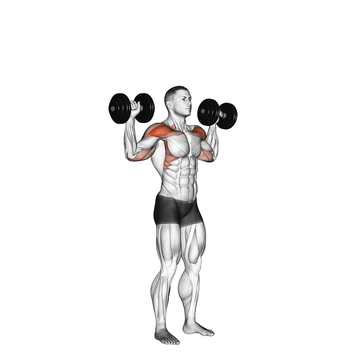
Dumbbell Standing Overhead Press
Best overall delt builder. Creates shoulder mass and width.
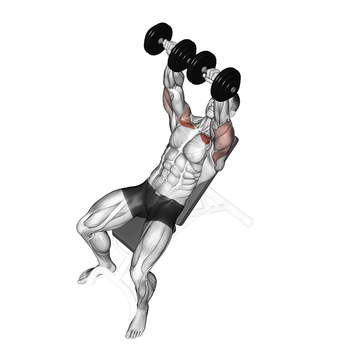
Dumbbell Incline Bench Press
Targets upper chest for balanced chest development and aesthetics.
The Complete 4-5 days (Push/Pull/Legs or Upper/Lower) Program
Follow this program consistently for best results. Start with weights that feel manageable and aim to increase gradually each week as you get stronger.
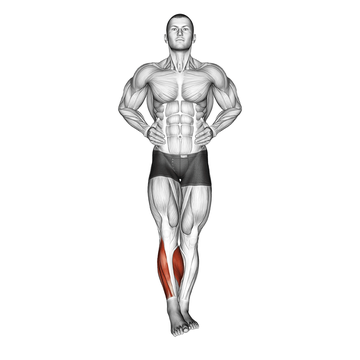
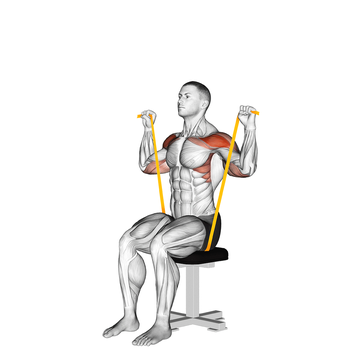
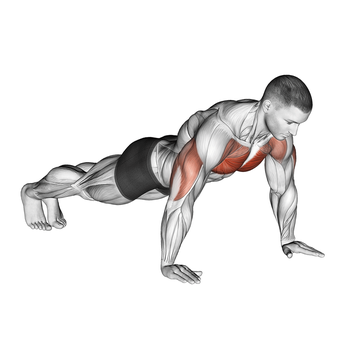
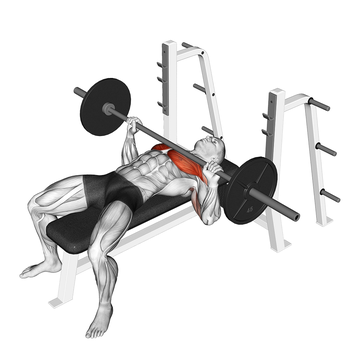
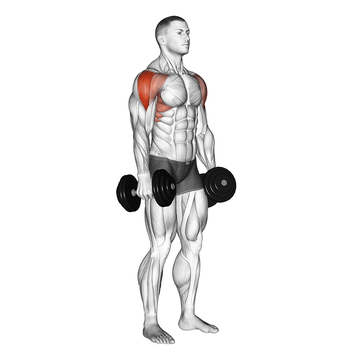
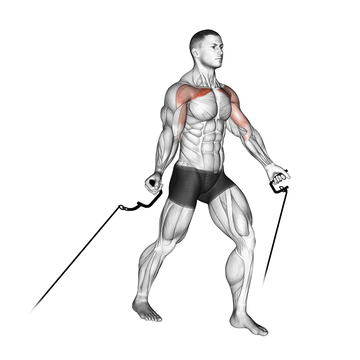
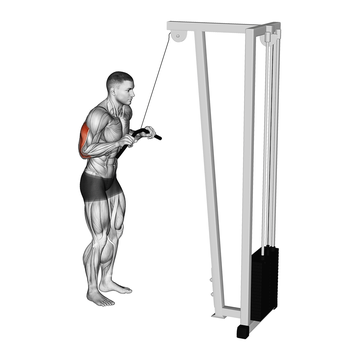
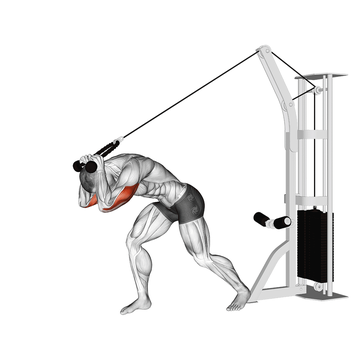
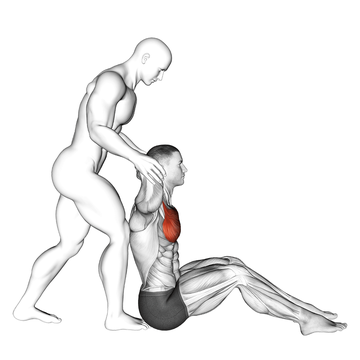
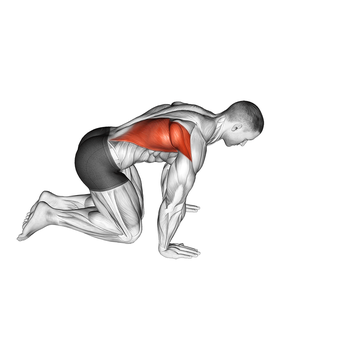
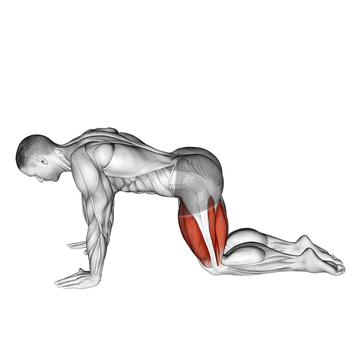
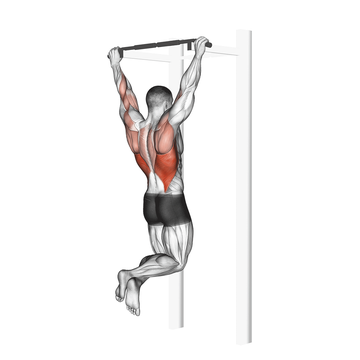
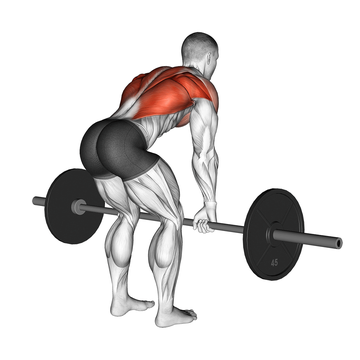
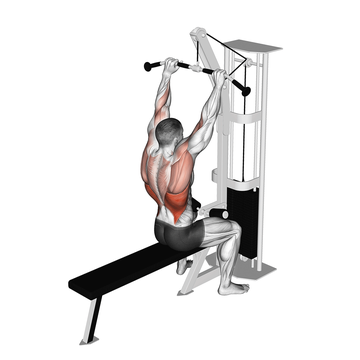
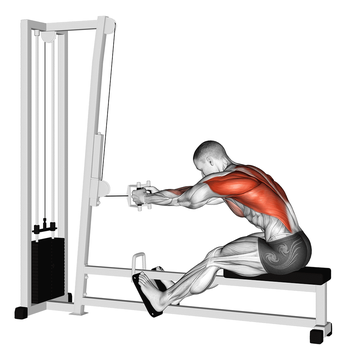
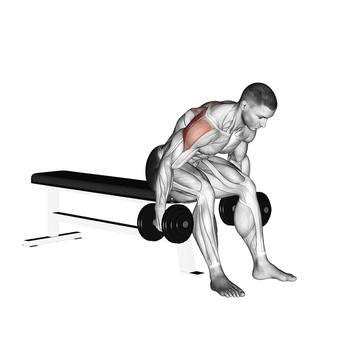
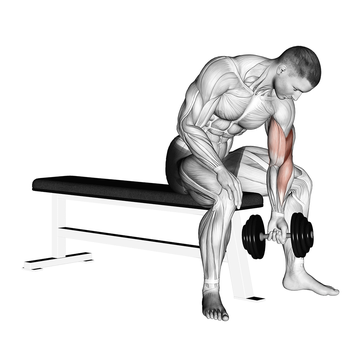

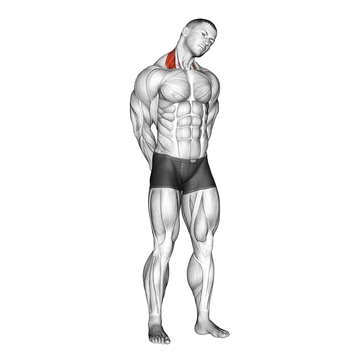
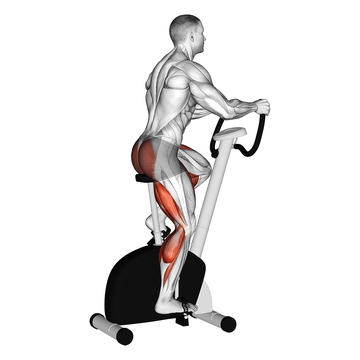
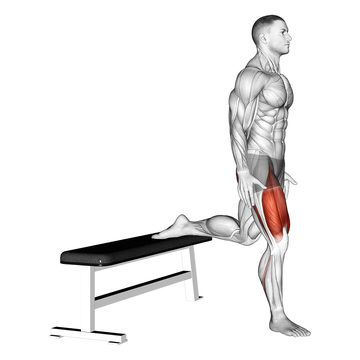
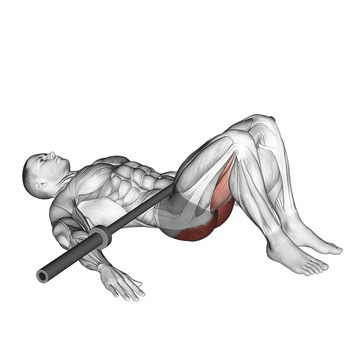
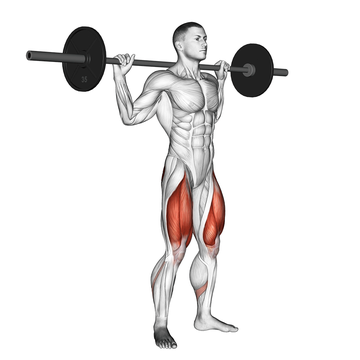
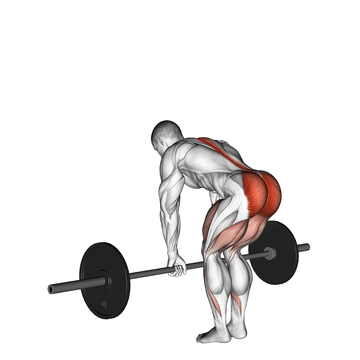
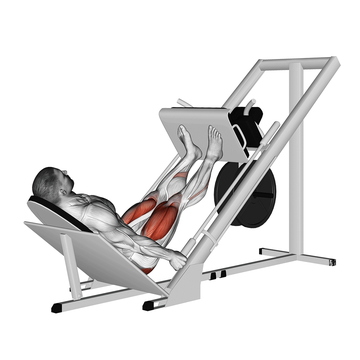
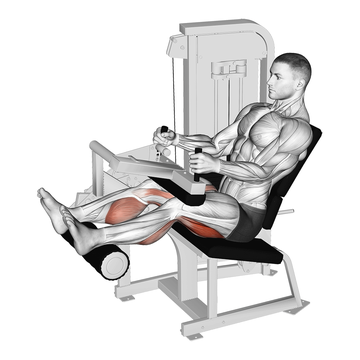
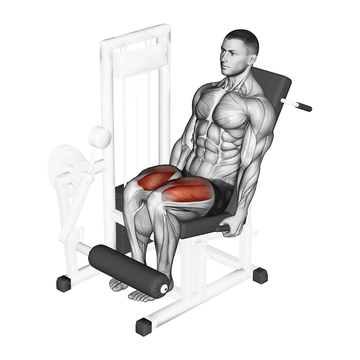
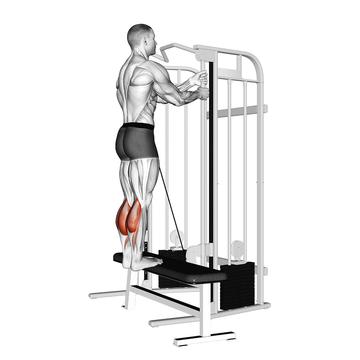
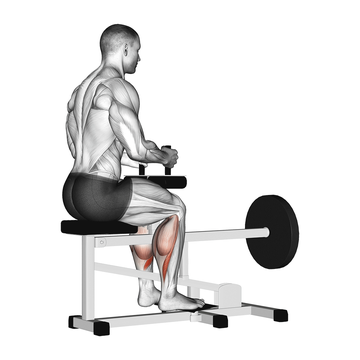
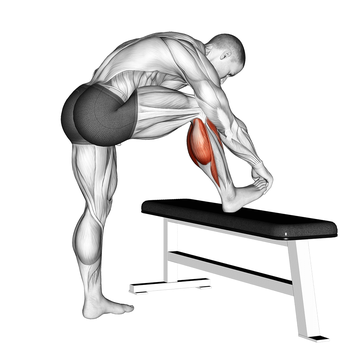
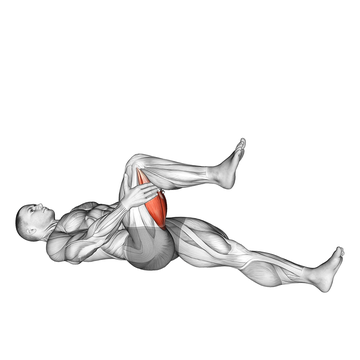
Want a program built for you?
Petite Strength creates a personalized program based on your equipment, body type, and goals.
Create Your Program30 secOptimizing Your Hypertrophy Training
- Train in the 6-12 rep range primarily, but include heavier (4-6) and lighter (12-15) work for complete development.
- Progressively overload—add weight or reps each week. Without progression, there's no growth.
- Eat in a caloric surplus (200-500 calories). Hypertrophy requires energy and building materials.
- Consume 0.8-1g protein per pound of bodyweight to support muscle protein synthesis.
- Get 7-9 hours of quality sleep. Growth hormone peaks during deep sleep.
- Manage fatigue. Deload every 4-6 weeks to allow accumulated fatigue to dissipate.
Frequently Asked Questions
How many sets per muscle group per week?
Research suggests 10-20 sets per muscle group weekly is optimal for most people. Start at the lower end and add volume only if you're recovering well and progress stalls.
Should I train to failure?
Training close to failure (1-3 reps in reserve) maximizes growth while allowing adequate recovery. Going to absolute failure on every set increases fatigue without proportional benefits.
How important is the mind-muscle connection?
Research shows focusing on the target muscle during isolation exercises improves muscle activation and may enhance growth. It's less relevant for heavy compound lifts where load is the primary driver.
What rep range is best for hypertrophy?
Muscle can be built across a wide range (5-30 reps), but the 6-12 range is most practical—heavy enough for tension, light enough for volume. Include variety across ranges.
How long should I rest between sets?
For compound exercises, 2-3 minutes. For isolation exercises, 60-90 seconds. Shorter rest increases metabolic stress; longer rest allows more weight/reps.
Get a Free Personalized Program
Every body is different. Petite Strength will build a strength program tailored to your exact needs: