Upper Body Workout for Men
A powerful upper body is built on heavy compound movements and progressive overload. This program develops the chest, back, shoulders, and arms that define an impressive physique—not through endless sets of curls, but through the foundational exercises that have built strong bodies for decades. You'll press, pull, and push your way to an upper body that looks as strong as it performs.
Building Upper Body Mass
Upper body development requires balanced training. Chest-focused "beach body" programs create imbalances that lead to injury and poor posture. This program equally emphasizes pushing (chest, shoulders, triceps) and pulling (back, biceps) for complete development and shoulder health.
Compound movements are the foundation. Bench press, overhead press, rows, and pull-ups recruit the most muscle mass and allow the heaviest loading. These exercises build the bulk of your upper body. Isolation exercises finish the job but don't replace the basics.
Progressive overload drives growth. Adding weight or reps over time forces adaptation. Without progressive overload, your muscles have no reason to grow. Track your lifts and push for consistent improvement.
Benefits of Upper Body Training
Impressive Physique
A developed chest, wide back, and capped shoulders create the muscular look most men want.
Functional Strength
Push, pull, and lift with power that translates to real-world capability.
Shoulder Health
Balanced pressing and pulling prevents the shoulder issues that plague lifters.
Better Posture
Strong back muscles pull shoulders back, improving how you stand and appear.
Increased Metabolism
Upper body muscle mass contributes to higher resting calorie burn.
Athletic Performance
Upper body strength improves performance in virtually every sport.
Program Overview
Who it's for: Men looking to build a powerful, balanced upper body
Don't have all this equipment? GymFriend can build you a custom program using whatever you have available.
Why These Exercises?
Each exercise in this program was selected for a specific reason. Here's why:
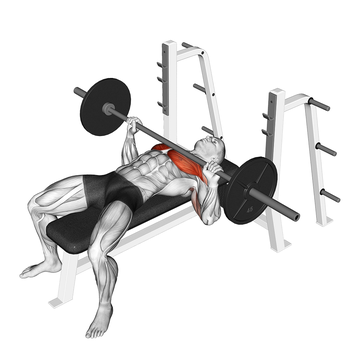
Barbell Bench Press
The king of chest exercises. Heavy pressing builds mass and strength.
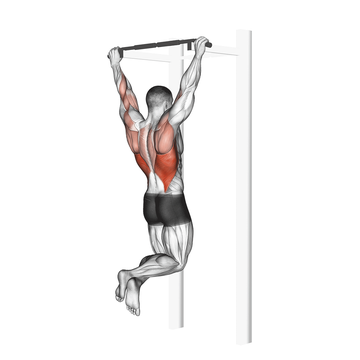
Pull-up
Best exercise for back width and lat development. Creates the V-taper.
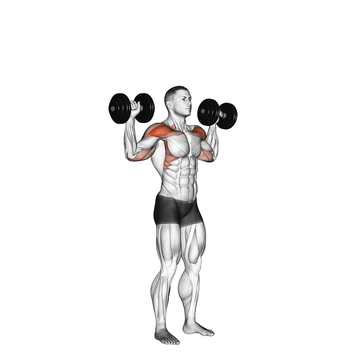
Dumbbell Standing Overhead Press
Primary shoulder builder. Tests and builds total upper body strength.
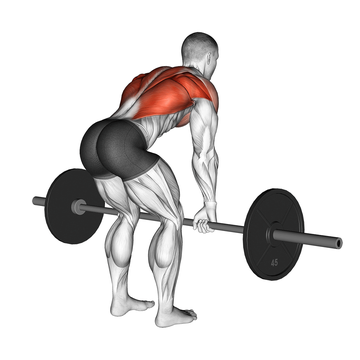
Barbell Bent Over Row
Heavy pulling for back thickness. Balances all the pressing.
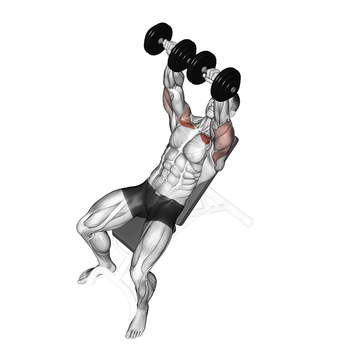
Dumbbell Incline Bench Press
Targets upper chest for complete chest development.
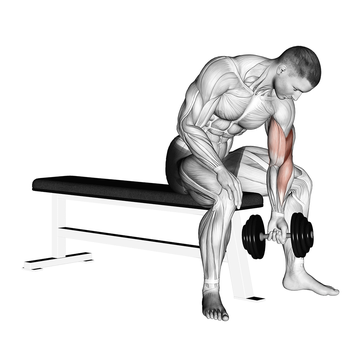
Dumbbell Concentration Curl
Direct bicep work for arm size. Complements compound pulling.
The Complete 2-3 days (or integrated into full-body or push/pull split) Program
Follow this program consistently for best results. Start with weights that feel manageable and aim to increase gradually each week as you get stronger.
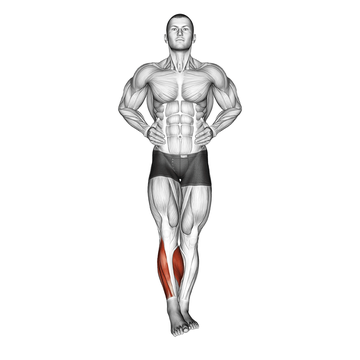
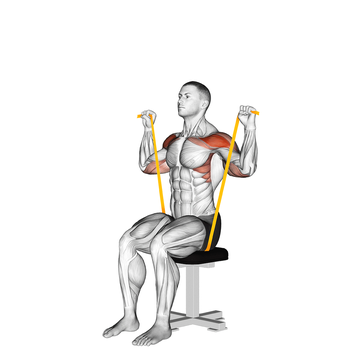
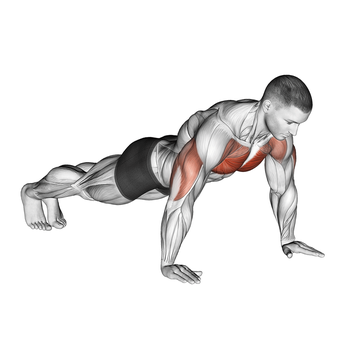
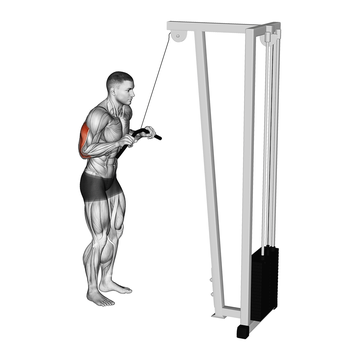
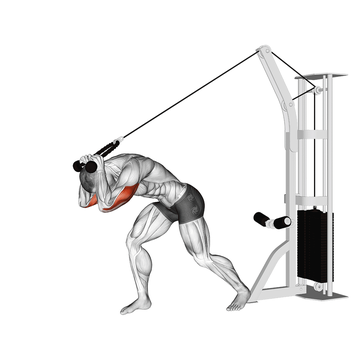
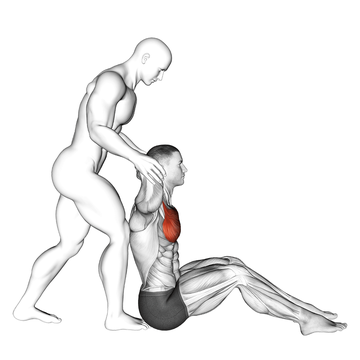
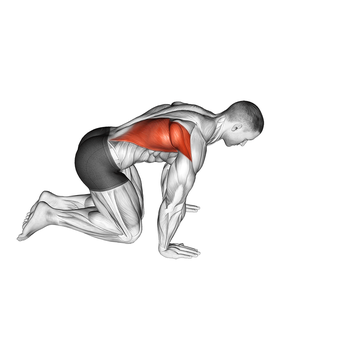
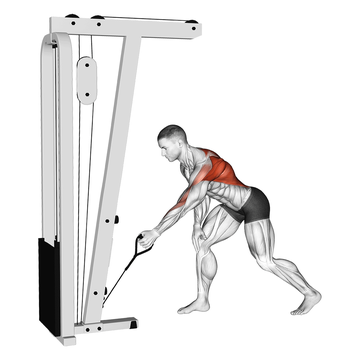
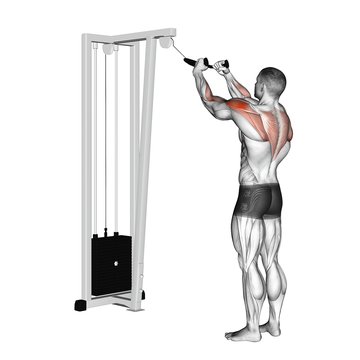

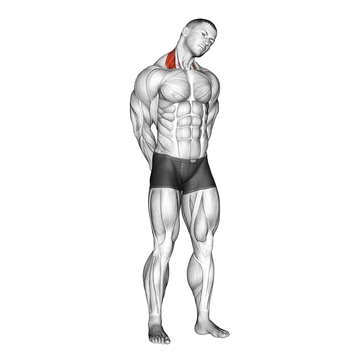
Want this program adjusted for your fitness level, goals, or schedule? GymFriend can create a personalized version just for you.
Building Your Upper Body
- Start with compound movements when you're fresh. Save isolation for the end.
- Balance pressing and pulling. For every set of pushing, do a set of pulling.
- Progressive overload is non-negotiable. Add weight or reps each week.
- Don't neglect rear delts and upper back. These prevent shoulder issues.
- Allow 48-72 hours between heavy upper body sessions.
- Eat enough protein (0.8-1g per pound) and calories to support growth.
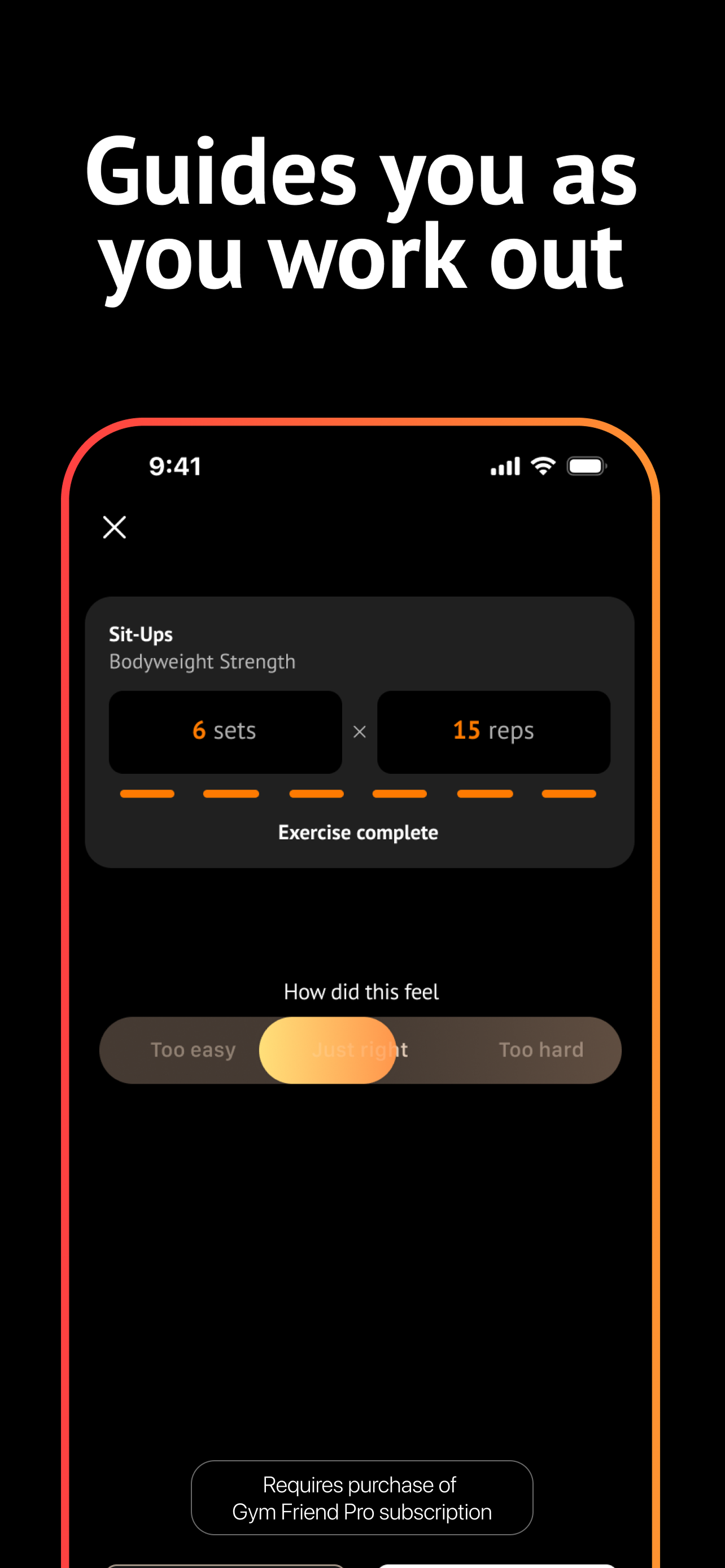
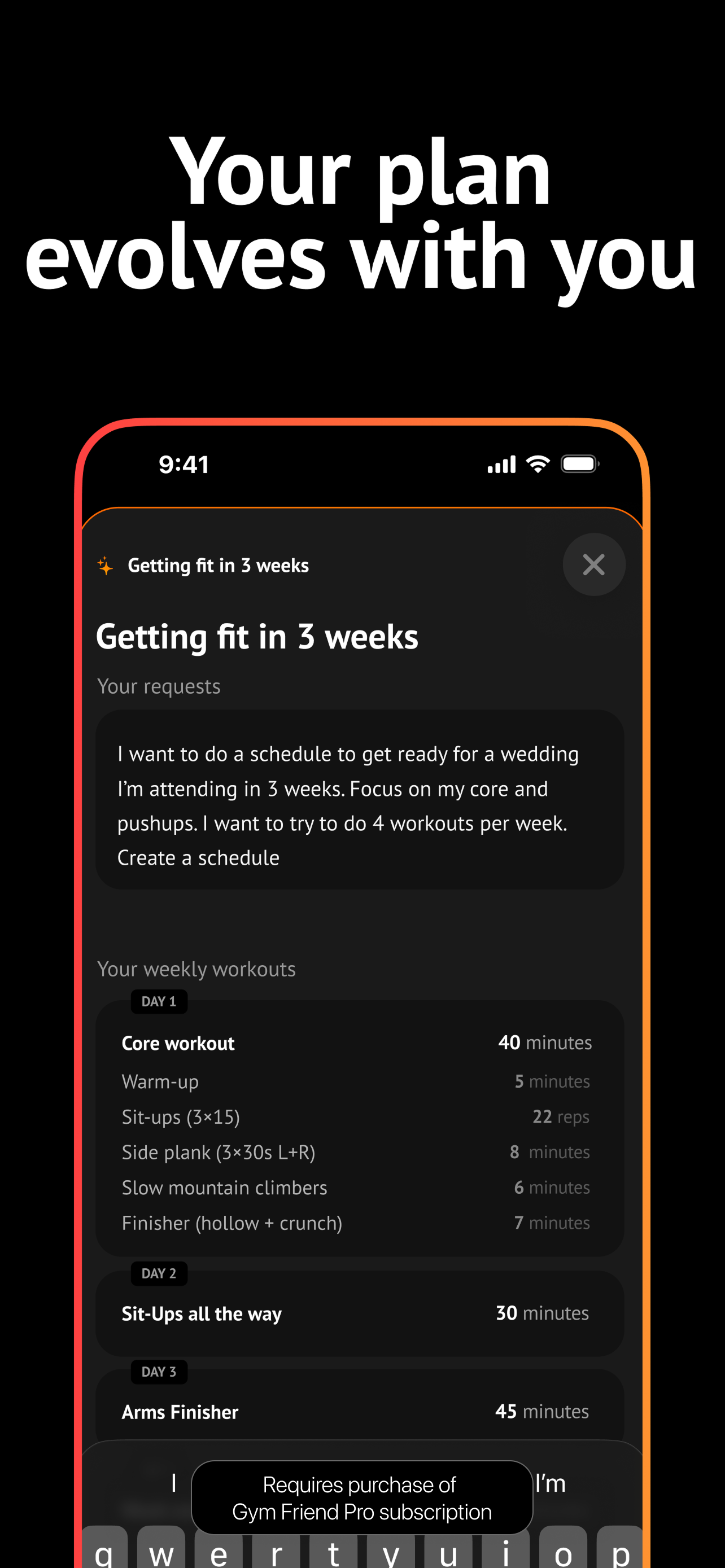
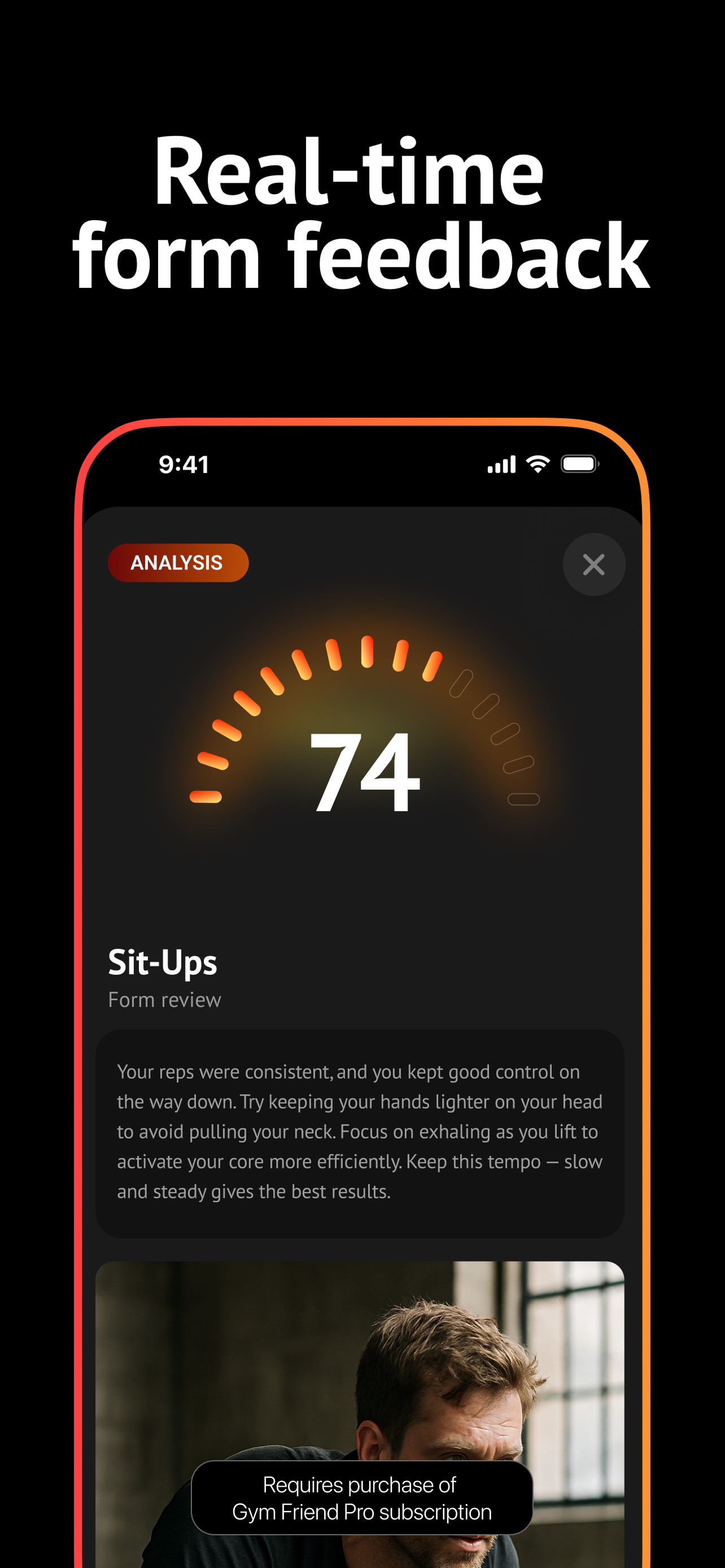
Edit your plan, track progress, and get realtime coaching


Frequently Asked Questions
How often should I train upper body?
For optimal growth, hit each muscle group 2-3 times per week. This can be through dedicated upper body days or integrated into a full-body or push/pull split.
Should I train chest and back separately?
Both approaches work. Training them together saves time and ensures balance. Separating them allows more volume for each. Choose based on your schedule.
How do I build bigger arms?
Most arm mass comes from compound movements—presses work triceps, rows work biceps. Add 2-3 sets of direct arm work after compounds for additional development.
What if I can't do pull-ups?
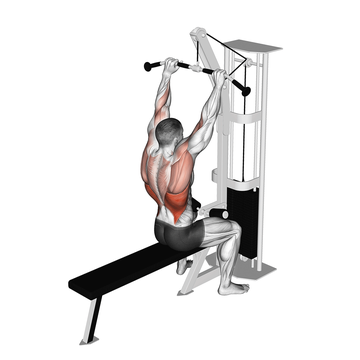
Start with lat pulldowns or assisted pull-ups. Build toward bodyweight pull-ups, then add weight. They're worth the effort.
How quickly will I see results?
Strength gains appear within 2-3 weeks. Visible muscle changes typically require 8-12 weeks of consistent, progressive training with adequate nutrition.