Training for Pure Strength
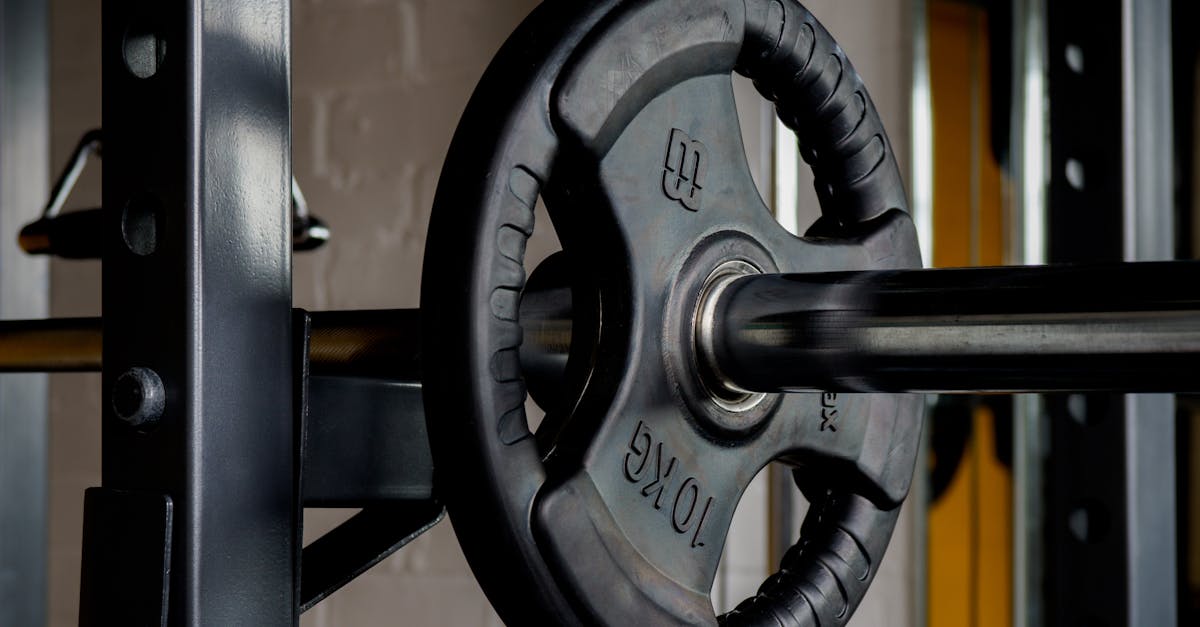
Pure strength training is about one thing: moving more weight. Unlike hypertrophy training (which optimizes muscle size) or endurance training (which builds stamina), strength training develops your nervous system's ability to recruit muscle fibers and generate maximum force. This program is built on the principles that powerlifters and strength athletes have refined over decades: heavy weights, low reps, and ample recovery.
How Strength Is Built
Strength is primarily a neurological adaptation. When you lift heavy weights, your nervous system learns to recruit more muscle fibers simultaneously and fire them more efficiently. This neural efficiency is why beginners can get dramatically stronger without much muscle gain—they're learning to use what they already have.
Heavy weights (85-95% of your one-rep max) provide the specific stimulus for strength. This load range maximizes motor unit recruitment and teaches your body to produce maximum force. Lighter weights simply don't provide the same neurological demand.
Recovery is where strength actually develops. Heavy lifting is taxing on both muscles and nervous system. Unlike hypertrophy training where you can train more frequently with moderate weights, strength training requires longer rest periods between sets (3-5 minutes) and between sessions (48-72 hours for the same movement).
Benefits of Strength Training
Maximum Force Production
Develop the ability to move heavy loads—useful in sports and daily life.
Efficient Muscle Use
Get stronger without necessarily getting bigger. Improved neural efficiency.
Dense, Strong Bones
Heavy loading creates the strongest bone density stimulus.
Injury Prevention
Strong muscles, tendons, and ligaments better resist injury.
Confidence
Knowing you can move heavy weight builds confidence in and out of the gym.
Foundation for All Training
Strength is the foundation that makes other physical qualities possible.
Program Overview
Who it's for: Anyone focused on building maximum strength
Want a program built for you?
Petite Strength creates a personalized program based on your equipment, body type, and goals.
Create Your Program30 secWhy These Exercises?
Each exercise in this program was selected for a specific reason. Here's why:
Barbell Full Squat
The king of lower body strength. Tests and builds total body force production.
Barbell Bench Press
Primary upper body pressing strength movement. Foundation of pushing power.
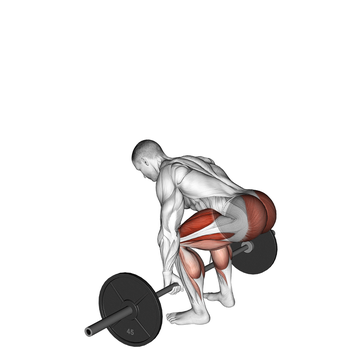
Barbell Deadlift
Tests raw pulling strength from the floor. Builds posterior chain and grip.
Dumbbell Standing Overhead Press
Pure shoulder and tricep strength. Tests total body stability under load.
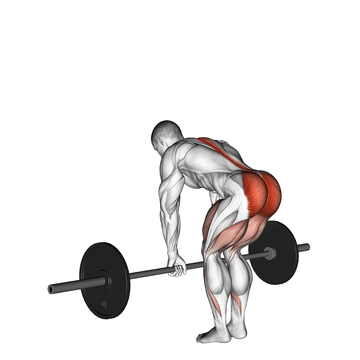
Barbell Bent Over Row
Back strength that supports bench press and overall upper body power.
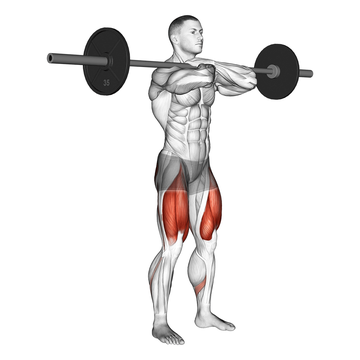
Barbell Front Squat
Builds quad strength and core stability. Valuable squat variation.
The Complete 3-4 days Program
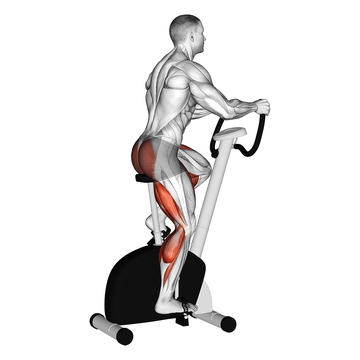
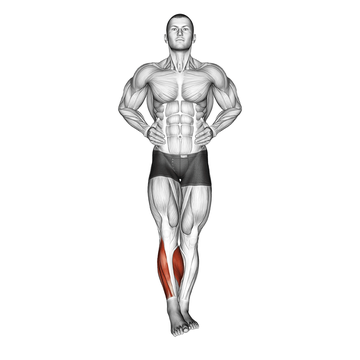
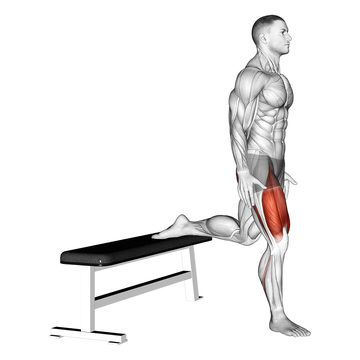
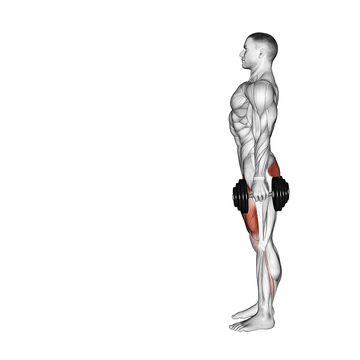
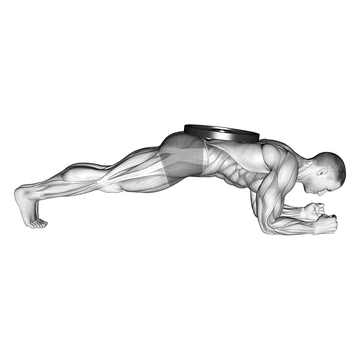
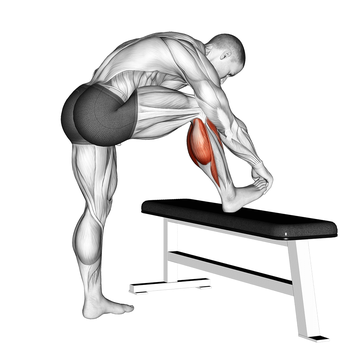
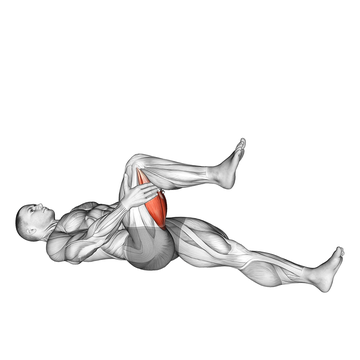
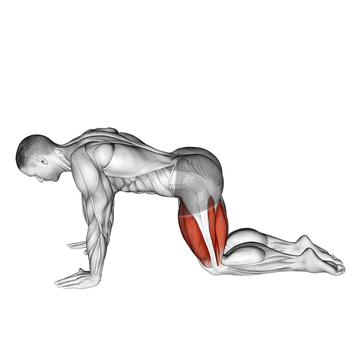
Follow this program consistently for best results. Start with weights that feel manageable and aim to increase gradually each week as you get stronger.
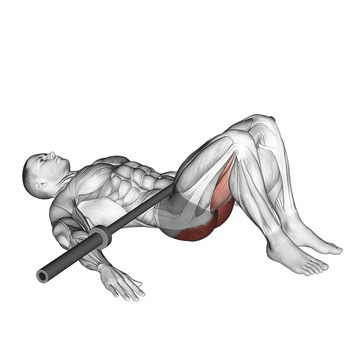
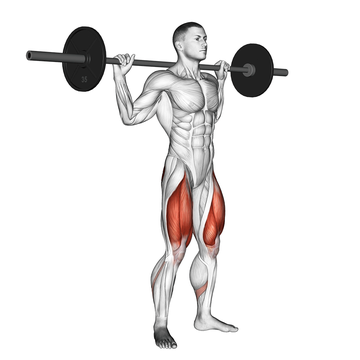
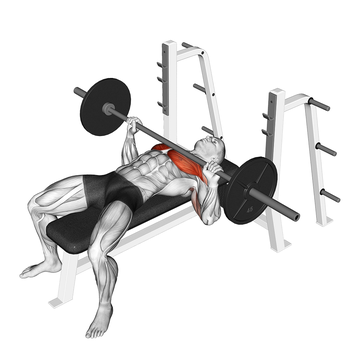
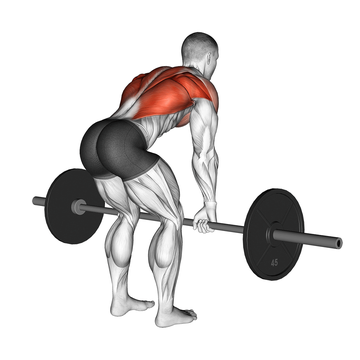
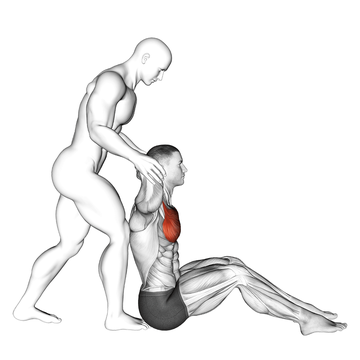
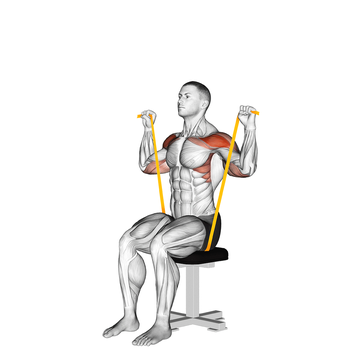
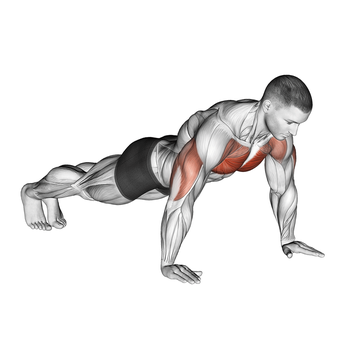
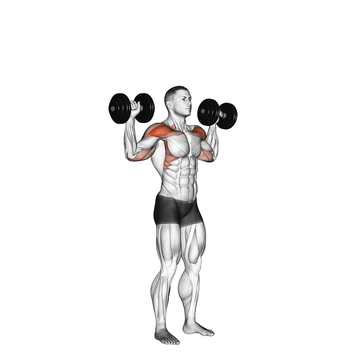
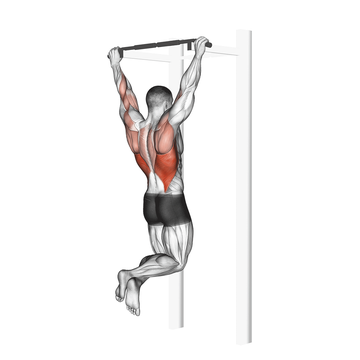
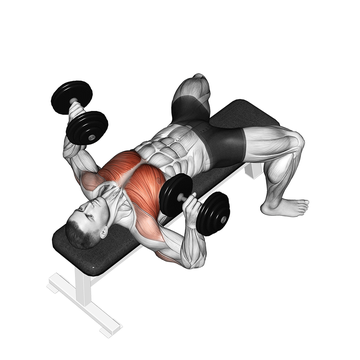
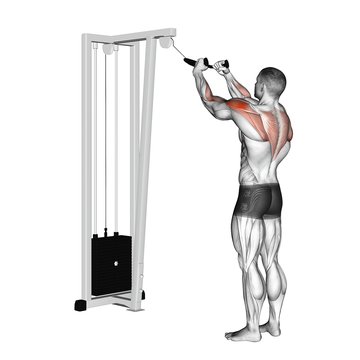
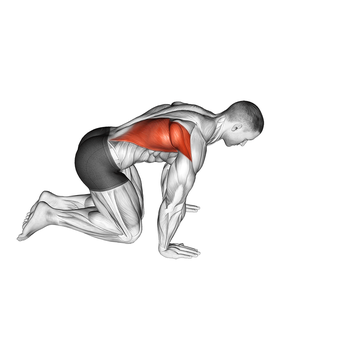
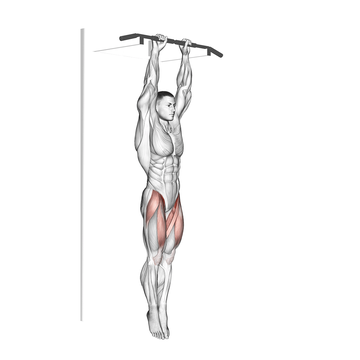
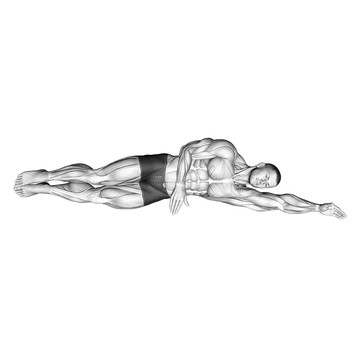
Want a program built for you?
Petite Strength creates a personalized program based on your equipment, body type, and goals.
Create Your Program30 secBuilding Maximum Strength
- Rest 3-5 minutes between heavy sets. Strength requires full ATP recovery.
- Keep reps low (1-5) for primary lifts. This range optimizes strength development.
- Progress gradually. Add 5-10 lbs per week to lower body lifts, 2.5-5 lbs to upper body.
- Sleep 8+ hours. Heavy lifting demands serious recovery.
- Eat enough. A slight caloric surplus supports strength gains; deficits impair recovery.
- Don't train to failure. Leave 1-2 reps in reserve to protect technique and recovery.
Frequently Asked Questions
Will I get bulky from strength training?
Not necessarily. Strength training with low reps builds neural efficiency more than muscle size. You'll get significantly stronger with modest muscle gain compared to hypertrophy training.
How heavy should I lift?
Main lifts should be at 80-90% of your one-rep max. The weight should be challenging but allow you to maintain proper form for all prescribed reps.
Why such long rest periods?
Heavy lifting depletes ATP (your muscles' immediate energy source). Full recovery between sets allows you to maintain weight and quality across all sets, which is essential for strength development.
How quickly will I get stronger?
Beginners can add weight every session for months. Intermediate lifters might add weight weekly. The rate slows with experience, but consistent progress is achievable for years.
Should I do cardio?
Minimal cardio is fine but shouldn't interfere with lifting. Light walking is ideal. Excessive cardio can impair strength gains by competing for recovery resources.
Get a Free Personalized Program
Every body is different. Petite Strength will build a strength program tailored to your exact needs: