Progressive Overload Workout
Progressive overload is the fundamental principle of all strength training: gradually increasing demands on your muscles over time. Without it, your body has no reason to adapt. This program teaches you how to systematically progress your training so you never plateau and continue making gains month after month.
Understanding Progressive Overload
Your muscles adapt to stress, then stop growing unless given greater stress. Progressive overload provides this greater stress by adding weight, reps, sets, or reducing rest over time.
Progress isn't always linear. You might add weight one week and reps the next. The key is that total training demand increases over time—not necessarily every single session.
Small, consistent progress beats large, sporadic jumps. Adding 5 lbs to your squat every two weeks equals 130 lbs in a year. Focus on sustainable progress.
Benefits of Progressive Overload
Continuous Gains
Systematic progress prevents plateaus.
Measurable Results
Track clear, quantifiable improvement over time.
Motivation
Seeing numbers increase keeps you engaged.
Injury Prevention
Gradual progression reduces injury risk.
Long-Term Success
Sustainable approach for years of progress.
Efficient Training
Know exactly what to do each session.
Program Overview
Who it's for: Anyone wanting to understand and apply progressive overload
Don't have all this equipment? GymFriend can build you a custom program using whatever you have available.
Why These Exercises?
Each exercise in this program was selected for a specific reason. Here's why:
Dumbbell Goblet Squat
Primary leg movement with clear progression path.
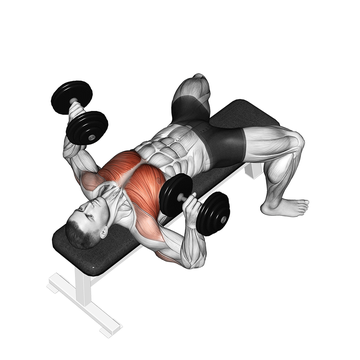
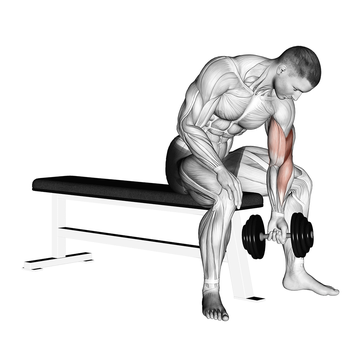
Dumbbell Bench Press
Upper body push that scales with weight increases.
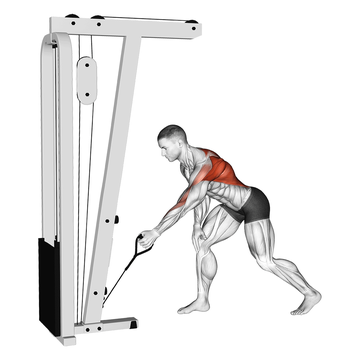
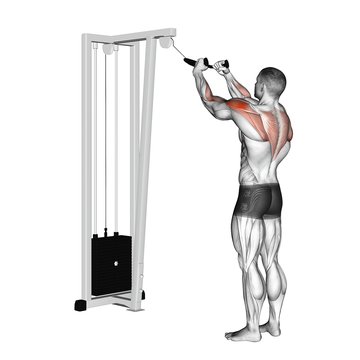
Cable One Arm Bent Over Row
Pulling movement with straightforward progression.
Barbell Romanian Deadlift
Hip hinge with significant loading potential.
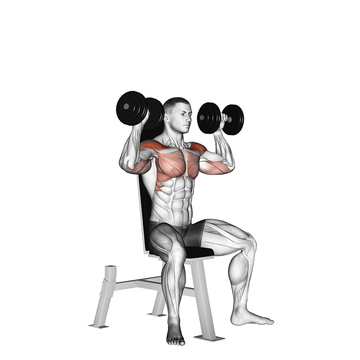
Dumbbell Seated Shoulder Press
Shoulder pressing with clear weight progression.
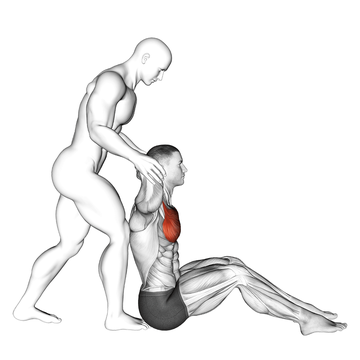
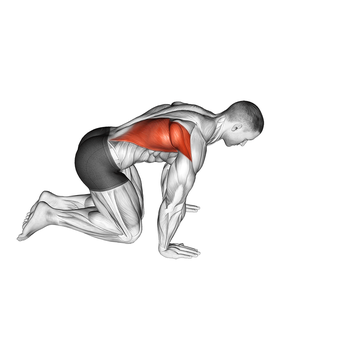
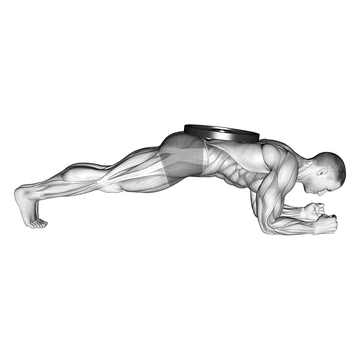
Weighted Front Plank
Core training that progresses through duration.
The Complete 3 days Program
Follow this program consistently for best results. Start with weights that feel manageable and aim to increase gradually each week as you get stronger.
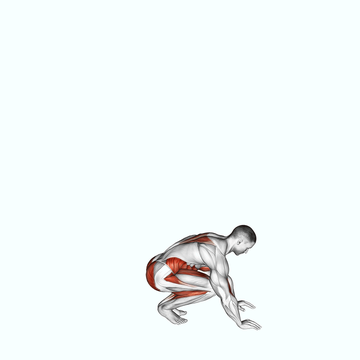
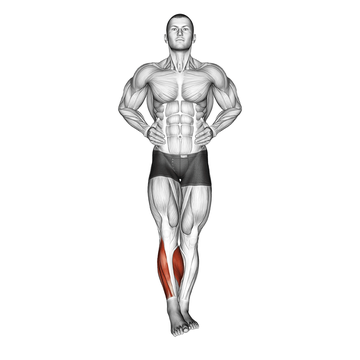
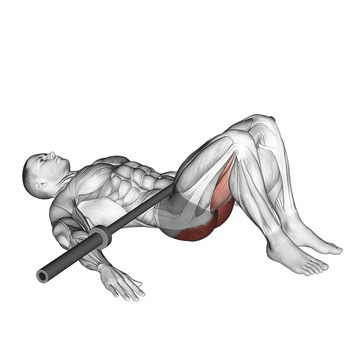
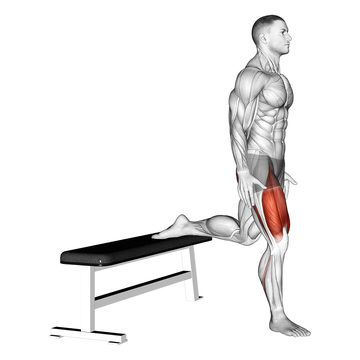
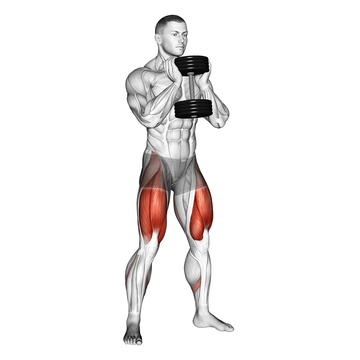
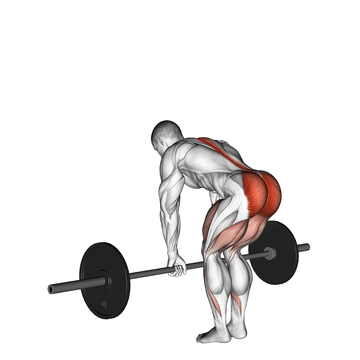
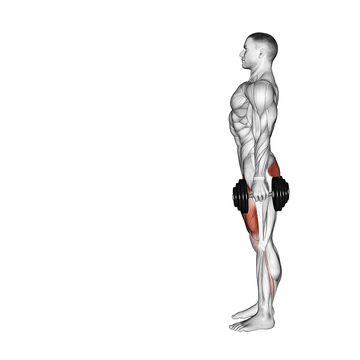
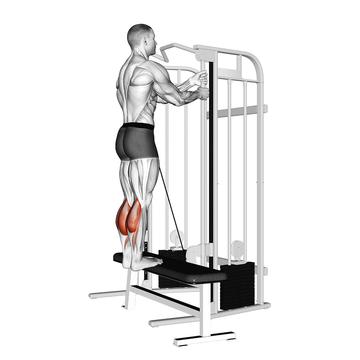
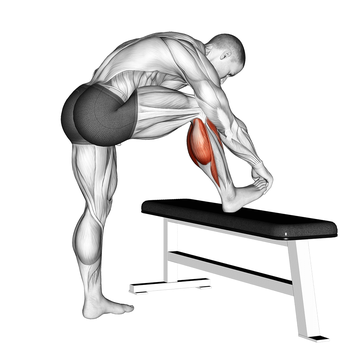
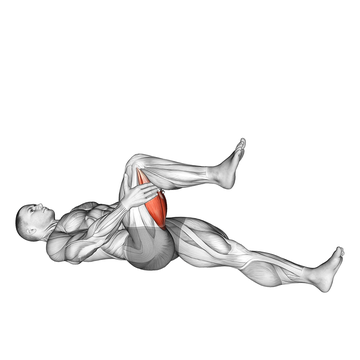
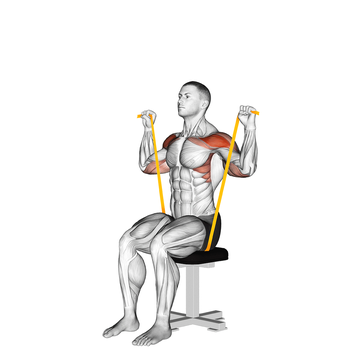
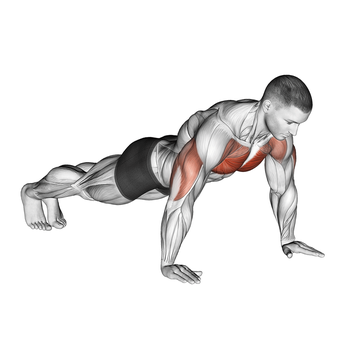
Want this program adjusted for your fitness level, goals, or schedule? GymFriend can create a personalized version just for you.
Applying Progressive Overload
- Track every workout—you can't progress what you don't measure.
- Add weight when you hit the top of rep ranges (e.g., 12 reps = add weight).
- Progress weight by the smallest available increment (2.5-5 lbs).
- When weight increases, reps may drop—that's normal and expected.
- If stuck, try adding reps or sets before attempting more weight.
- Deload periodically—one step back allows two steps forward.
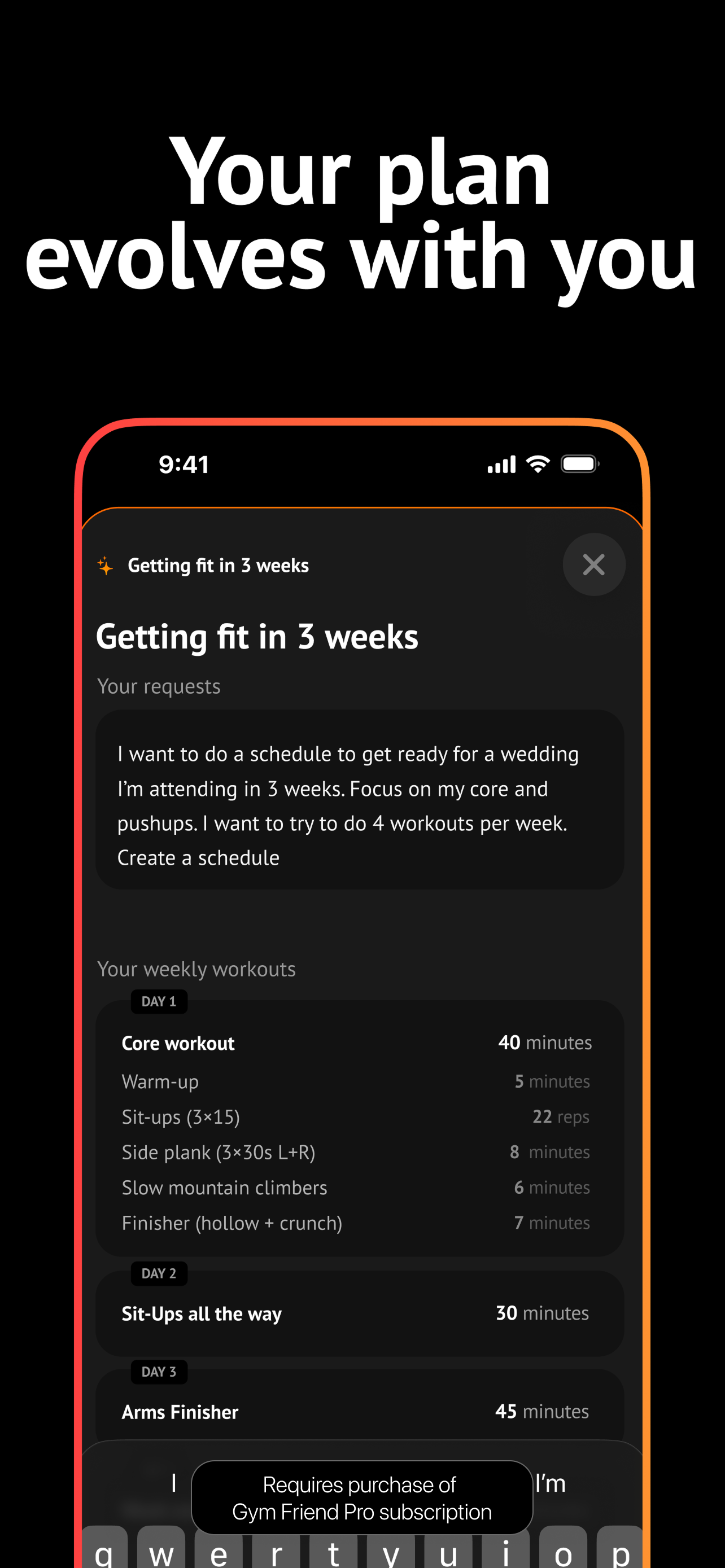
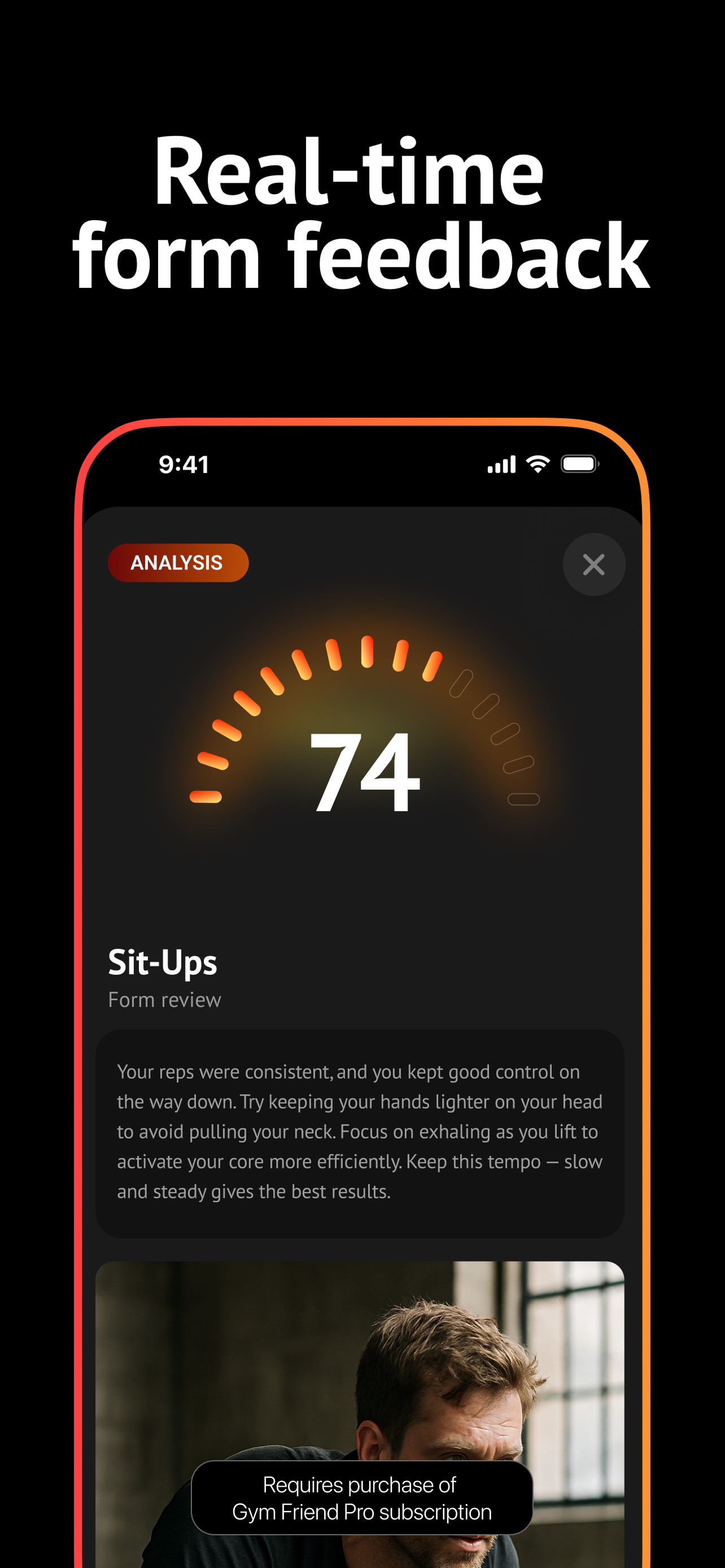
Edit your plan, track progress, and get realtime coaching


Frequently Asked Questions
How often should I increase weight?
When you can complete all sets at the top of your rep range with good form. For beginners, this might be every session. Advanced lifters may progress every 2-4 weeks.
What if I can't add more weight?
Add reps, add sets, slow down tempo, or reduce rest periods. These all increase training demand without adding weight.
Should I add weight to every exercise?
Focus on progressing main compound movements. Isolation exercises can progress more slowly or through rep increases.
What do I do when I hit a plateau?
Deload for a week (reduce weight 10-20%), then resume. Or try a different progression scheme—sets of 6 instead of 10, for example.
How fast should I expect to progress?
Beginners can add weight every session. Intermediate lifters progress every 1-2 weeks. Advanced lifters may need 2-4 weeks or longer between increases.