Strength Training for Soccer
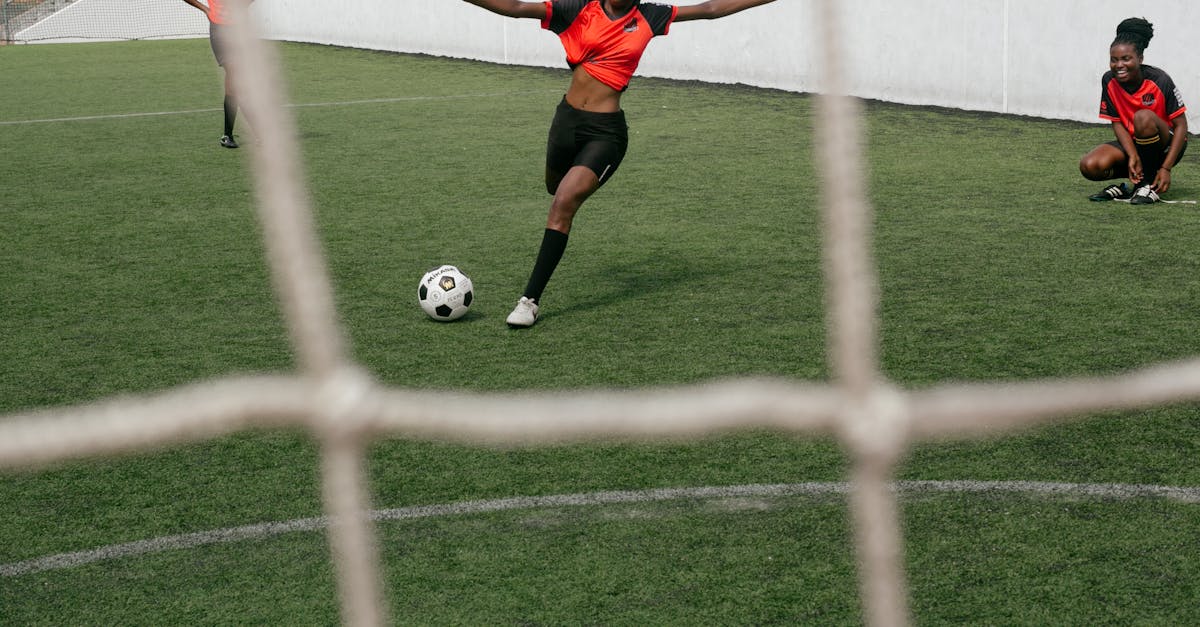
Soccer demands a unique combination of endurance, speed, and explosive power. You need to sprint repeatedly for 90 minutes, win physical battles, and produce powerful shots and headers. This program develops the leg strength for explosive acceleration, the core stability for balance during challenges, and the durability to perform from kickoff to final whistle. Modern soccer rewards athletes who combine skill with physical superiority.
Why Soccer Players Need Strength Training
Sprint speed and acceleration are largely determined by lower body power. While running technique matters, the ability to generate force quickly against the ground determines how fast you can accelerate away from defenders or close down attackers. Strength training directly develops this capacity.
Soccer involves hundreds of physical challenges per game—shoulder-to-shoulder contact, aerial duels, holding off defenders. Stronger players win more of these battles. Core and leg strength let you maintain position and stay on your feet when others fall.
The injury rates in soccer are high, particularly for knee and hamstring injuries. Strength training builds the muscular support that protects joints and reduces the likelihood of the non-contact injuries that sideline players for months.
Benefits for Soccer Players
Faster Sprint Speed
Explosive leg power means quicker acceleration and higher top speed.
Stronger in Challenges
Win more physical battles with core and leg strength.
More Powerful Shooting
Hip and leg strength increase shot power.
Injury Prevention
Strong hamstrings and quads protect against common soccer injuries.
Better Headers
Core strength and explosive power improve aerial ability.
90-Minute Performance
Maintain physical output when others tire in the second half.
Program Overview
Who it's for: Soccer players looking to improve speed, power, and durability
Don't have all this equipment? GymFriend can build you a custom program using whatever you have available.
Why These Exercises?
Each exercise in this program was selected for a specific reason. Here's why:
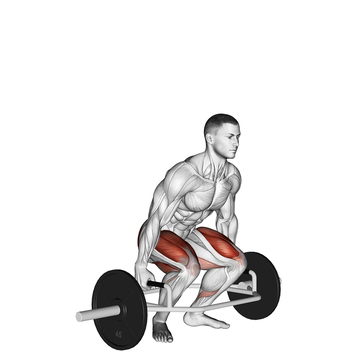
Trap Bar Deadlift
Builds explosive hip power for sprinting. Joint-friendly for athletes who run frequently.
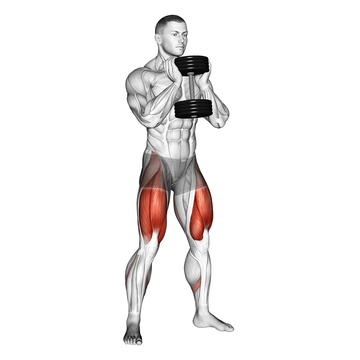
Dumbbell Goblet Squat
Develops leg strength and stability for changes of direction.
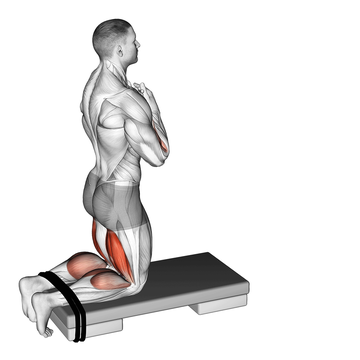
Self Assisted Inverse Leg Curl
The most important exercise for hamstring injury prevention in soccer.
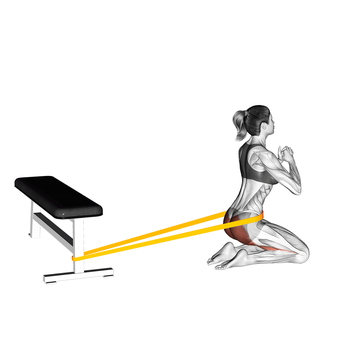
Resistance Band Hip Thrusts On Knees
Glute power for sprinting and shooting. Often weak in soccer players.
Weighted Front Plank
Core stability for balance during physical challenges.
Barbell Single Leg Deadlift
Single-leg strength and stability for the running and kicking motions.
The Complete 2-3 days (in-season: 1-2 days) Program
Follow this program consistently for best results. Start with weights that feel manageable and aim to increase gradually each week as you get stronger.
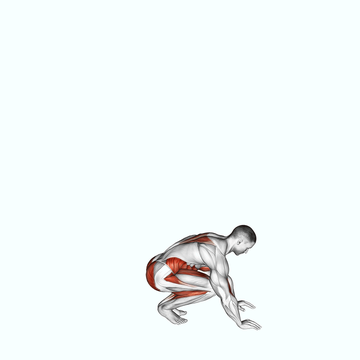
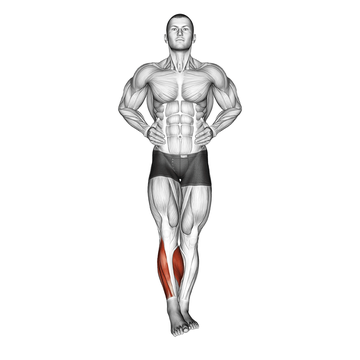
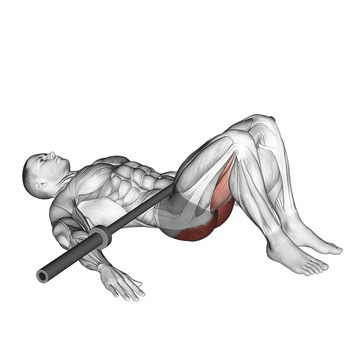
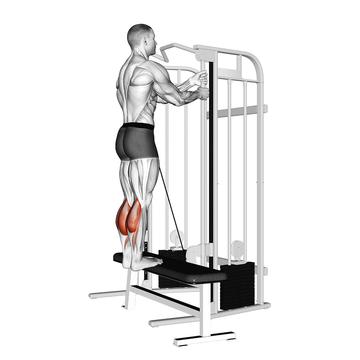
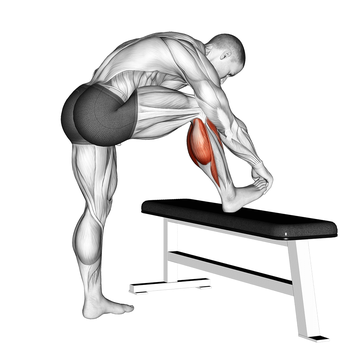
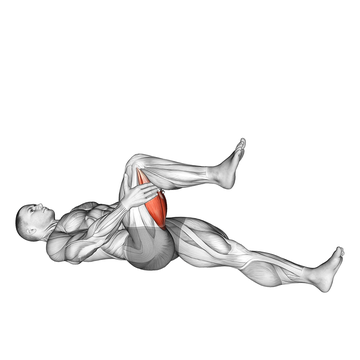
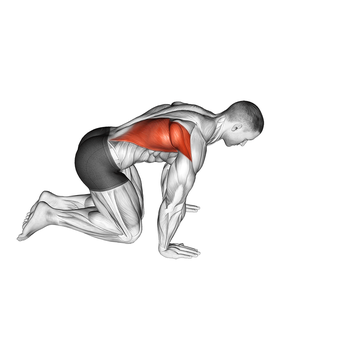
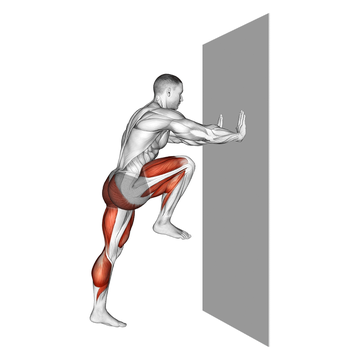
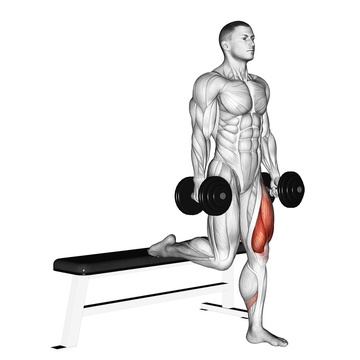
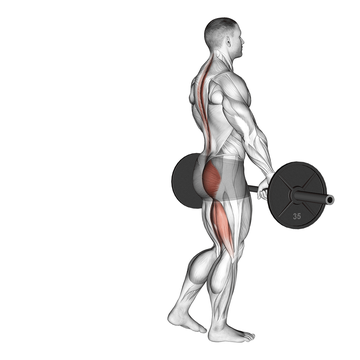
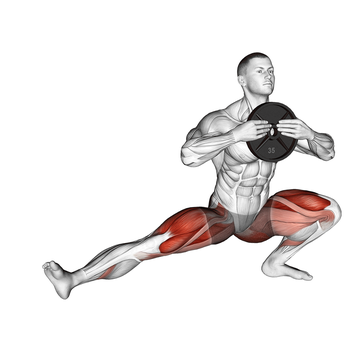
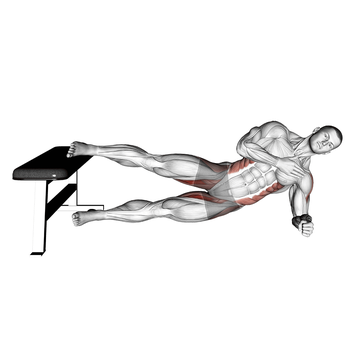
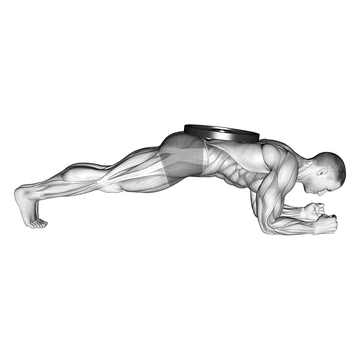
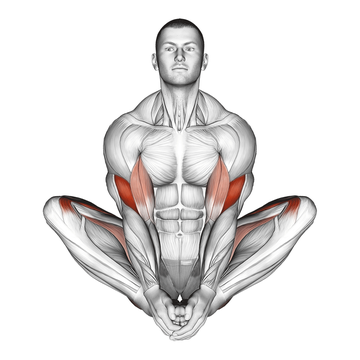
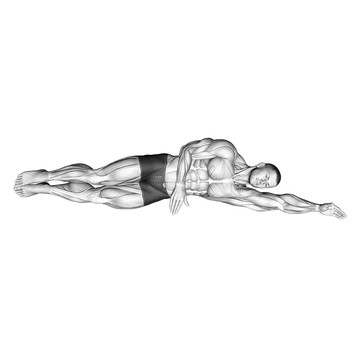
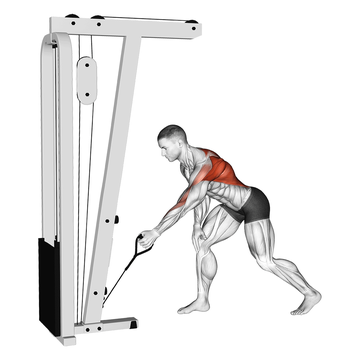
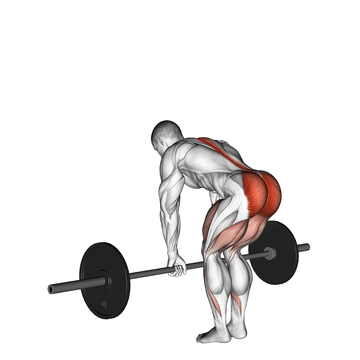
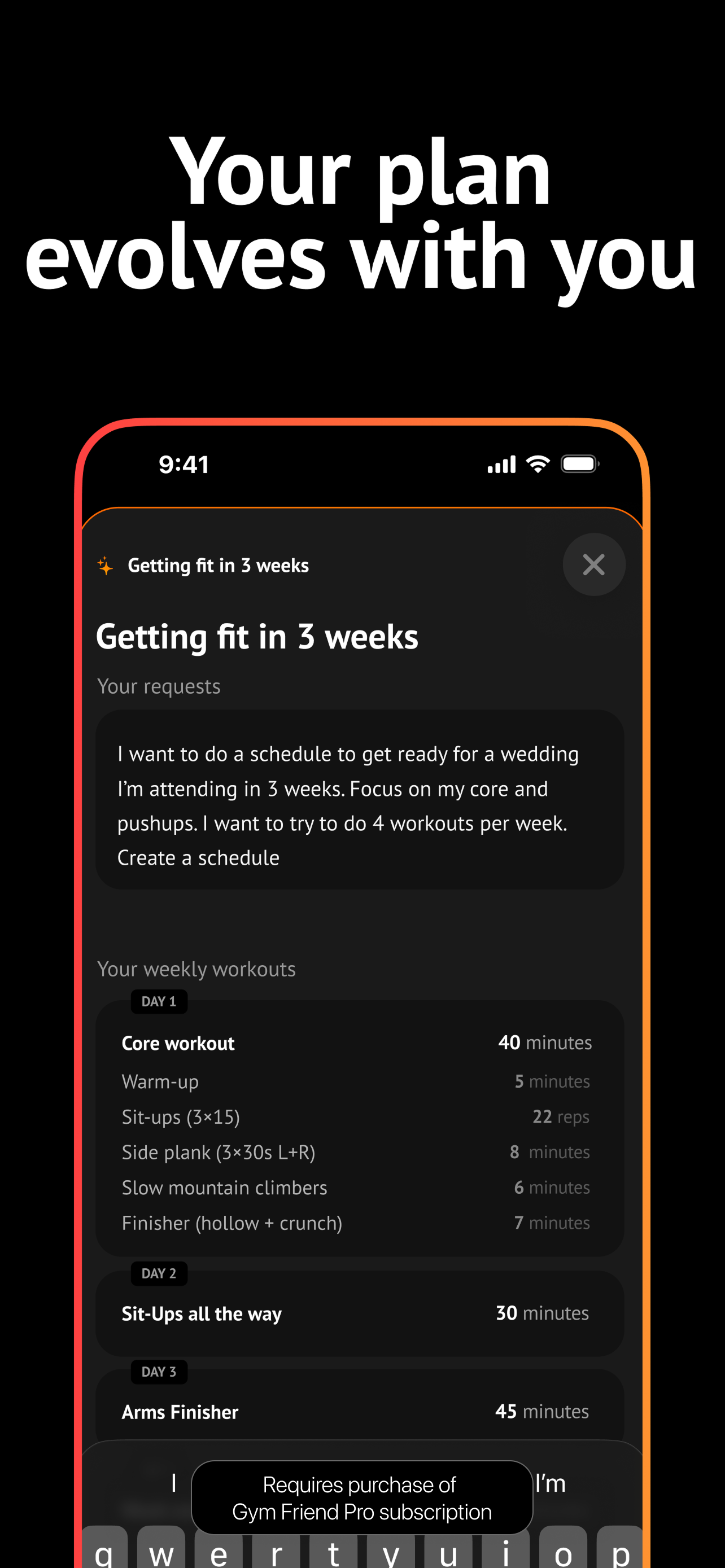
Want this program adjusted for your fitness level, goals, or schedule? GymFriend can create a personalized version just for you.
Training for Soccer
- In-season, reduce strength training volume but maintain some training to avoid detraining.
- Schedule lifting sessions 48+ hours before matches when possible.
- Prioritize hamstring strengthening—it's the most important injury prevention work.
- Single-leg exercises are more specific to soccer than bilateral movements.
- Don't neglect hip adductors and abductors—groin injuries are common in soccer.
- Quality over quantity. You're training to play better, not to be a weightlifter.
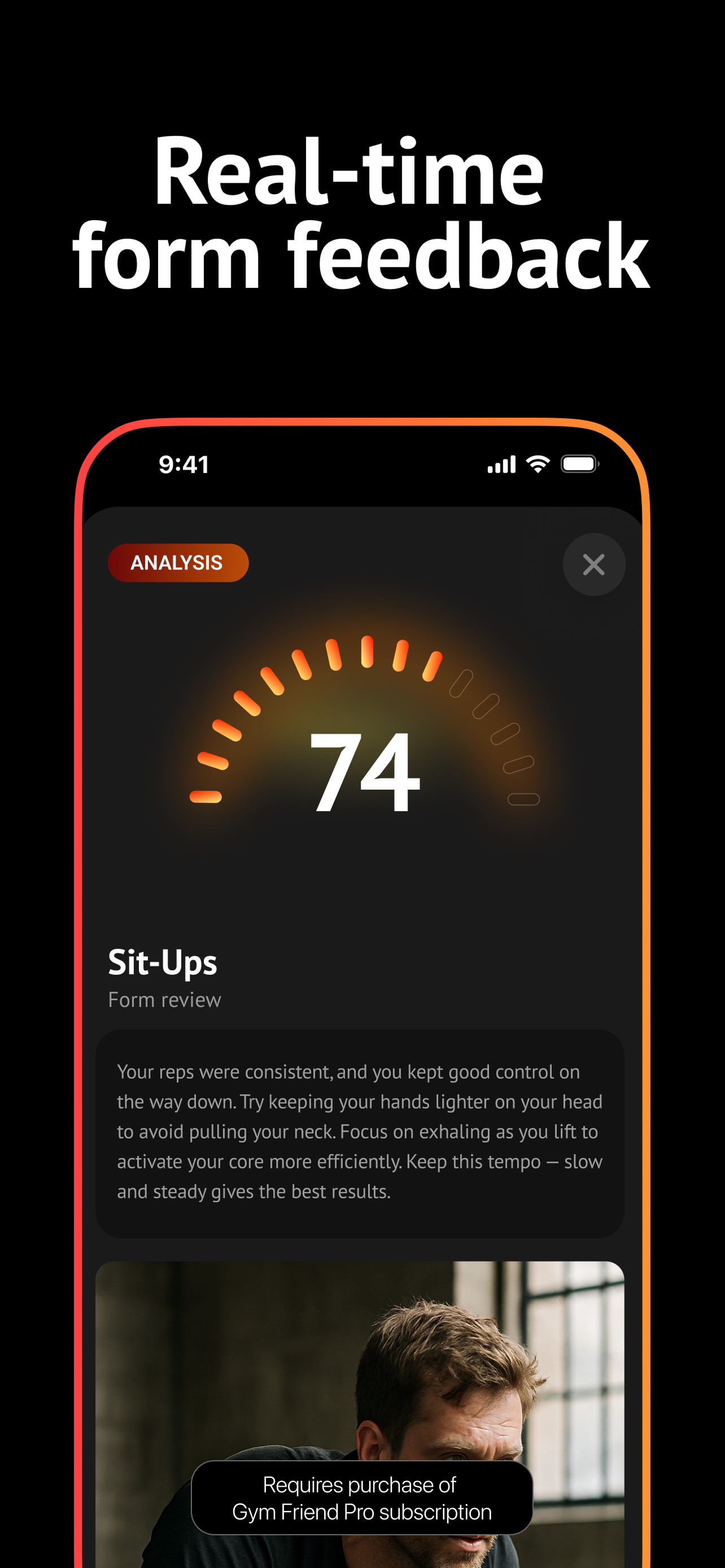
Edit your plan, track progress, and get realtime coaching


Frequently Asked Questions
Will strength training make me slower?
No—properly designed training improves speed. This program emphasizes explosive movements that increase acceleration. Heavy, slow lifting without explosive work might, but that's not prescribed here.
How important is hamstring work?
Critical. Hamstring injuries are the most common in soccer and can recur throughout a career. Nordic curls and Romanian deadlifts should be in every soccer player's program.
Should I lift during the season?
Yes, but with reduced volume. 1-2 sessions per week maintain strength. Avoid heavy lifting 48 hours before matches.
What about upper body?
Include some upper body work for balanced strength and physical battles, but soccer is leg-dominant. Upper body shouldn't be the focus.
When will I notice on-field improvements?
Sprint speed improvements typically appear after 6-8 weeks of consistent training. Injury prevention benefits begin immediately.