Strength Training for Swimmers
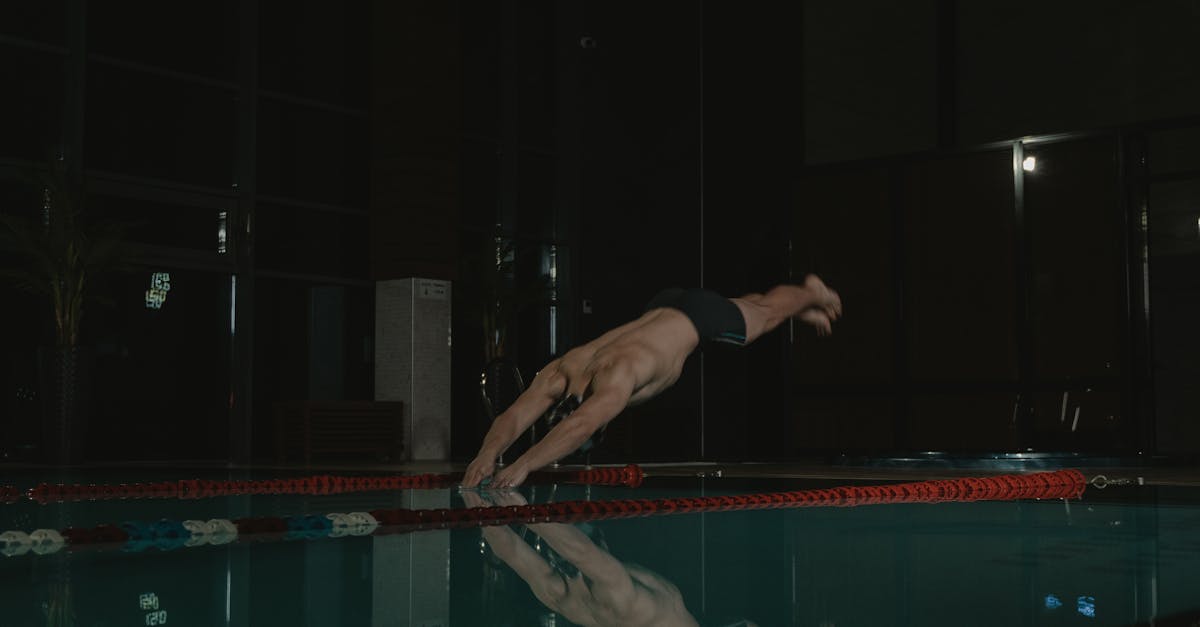
Speed in the water comes from powerful pulls, explosive starts, and efficient body position—all of which improve with strength training. This "dryland" program builds the pulling strength for faster strokes, the core stability for streamlined body position, and the shoulder resilience to handle high training volumes. Whether you're a competitive swimmer or fitness swimmer looking to improve, strength training is the edge you need.
Why Swimmers Need Strength Training
Swimming is a pulling sport. Every stroke is a pull through the water, resisted by drag. Stronger pulls mean faster times. While swimming itself builds some strength, dryland training allows you to overload muscles beyond what water resistance provides, creating adaptations that transfer to the pool.
The shoulders are the most injury-prone area for swimmers due to the repetitive overhead motion. Strong, balanced shoulder muscles—particularly the rotator cuff and scapular stabilizers—protect against the impingement and tendinitis that sideline swimmers.
Core strength determines body position in the water. A weak core allows the hips and legs to drag, creating resistance. A strong, stable core maintains the streamlined position that minimizes drag and allows arm power to translate into forward movement.
Benefits for Swimmers
Faster Strokes
More pulling power means more propulsion through the water with each stroke.
Shoulder Health
Balanced shoulder strength prevents the injuries that interrupt swimming training.
Better Body Position
Core stability maintains streamlined position, reducing drag.
Powerful Starts and Turns
Leg strength for explosive push-offs and faster wall turns.
Race Endurance
Muscular endurance to maintain stroke power through entire races.
Kick Power
Stronger legs drive a more powerful kick, especially important for sprints.
Program Overview
Who it's for: Swimmers looking to improve speed and prevent injury
Don't have all this equipment? GymFriend can build you a custom program using whatever you have available.
Why These Exercises?
Each exercise in this program was selected for a specific reason. Here's why:
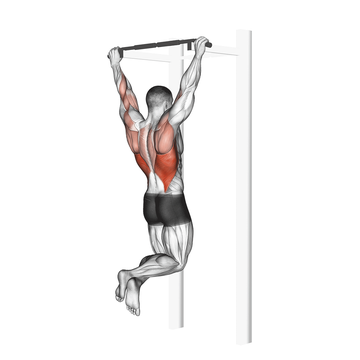
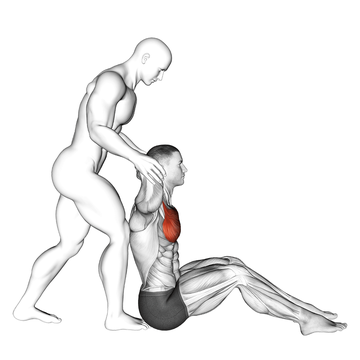
Pull-up
Primary swimming movement pattern. Builds the lat and back strength for powerful pulls.
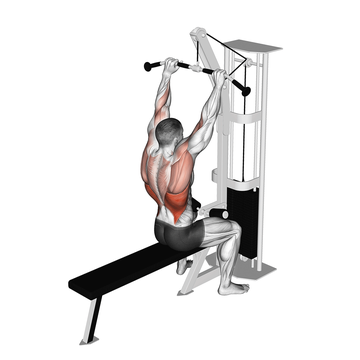
Cable Bar Lateral Pulldown
Mimics the swim pull pattern. Allows for higher volume than pull-ups.
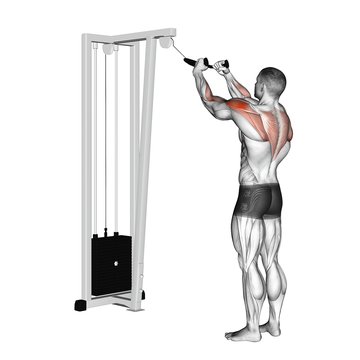
Cable Rear Delt Row (with Rope)
Essential for shoulder health. Strengthens the external rotators that protect swimmers' shoulders.
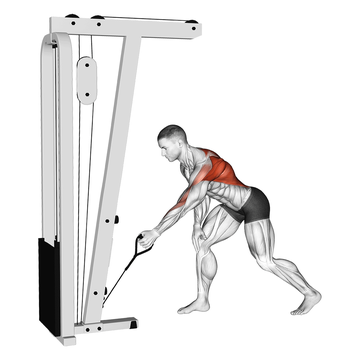
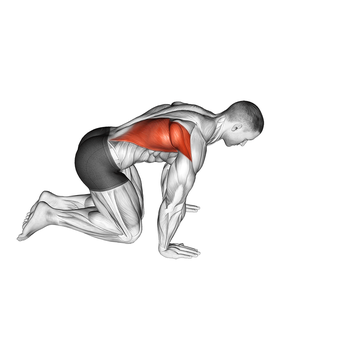
Cable One Arm Bent Over Row
Pulling strength with unilateral work that addresses any imbalances between arms.
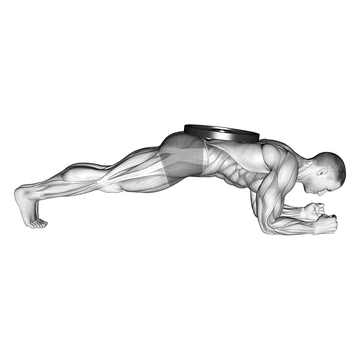
Weighted Front Plank
Core stability for maintaining streamlined position in the water.
Dumbbell Goblet Squat
Leg strength for powerful starts, turns, and kick.
The Complete 2-3 days Program
Follow this program consistently for best results. Start with weights that feel manageable and aim to increase gradually each week as you get stronger.
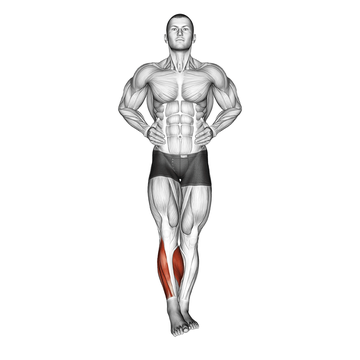
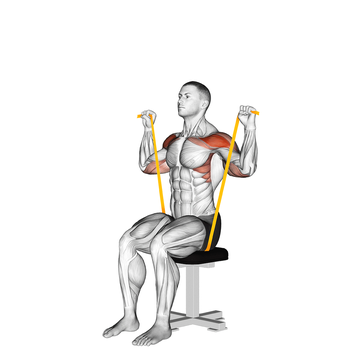
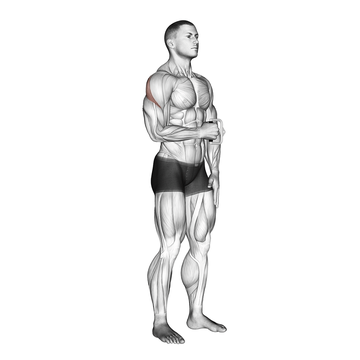
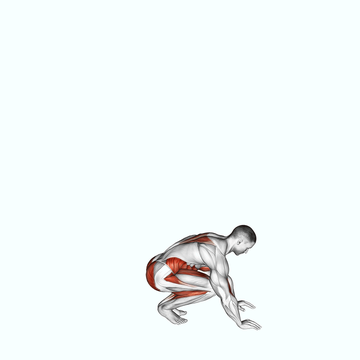
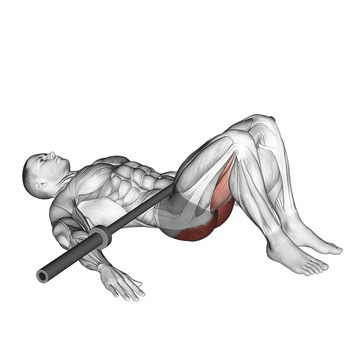
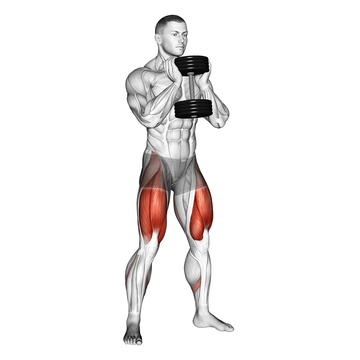
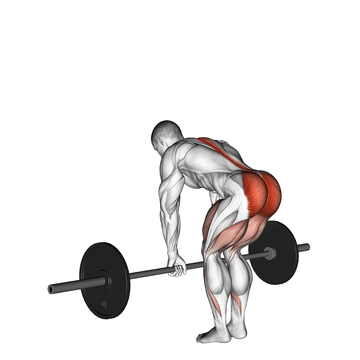
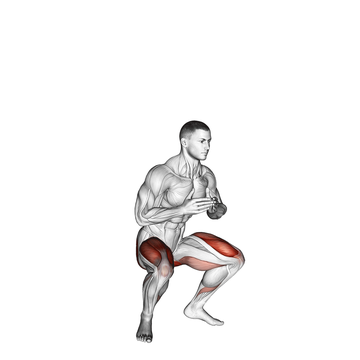
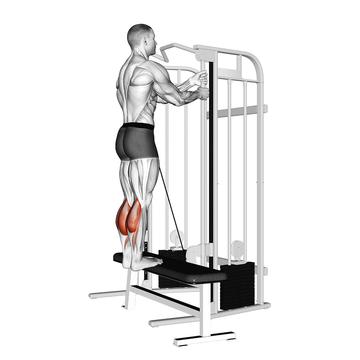
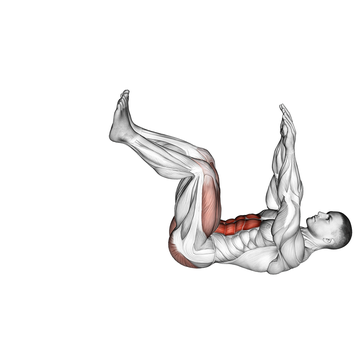
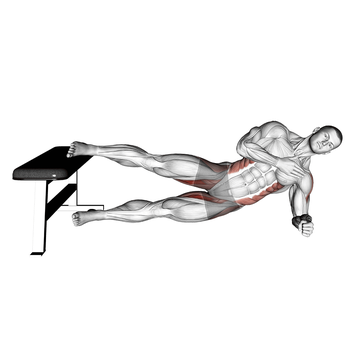
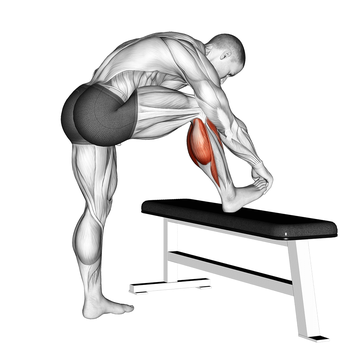
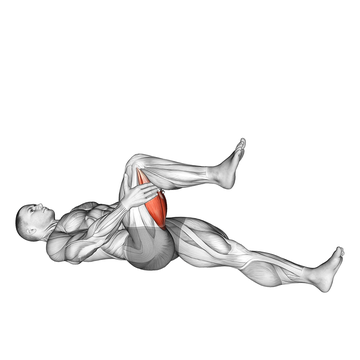
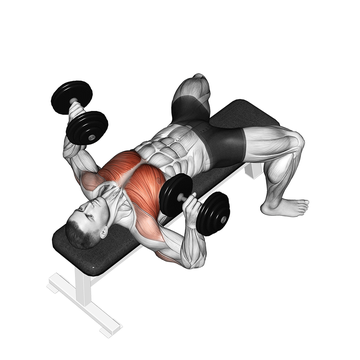
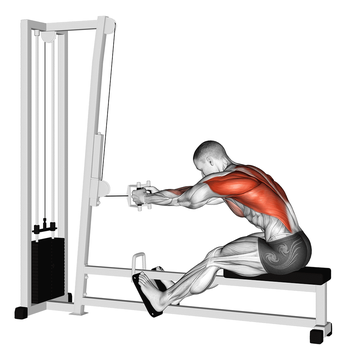
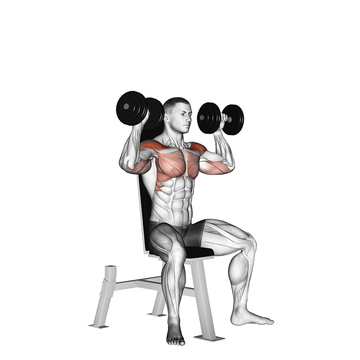
Want this program adjusted for your fitness level, goals, or schedule? GymFriend can create a personalized version just for you.
Integrating with Swimming
- Schedule dryland sessions after swim practice or on rest days, not before important pool sessions.
- Prioritize pulling movements—these transfer directly to swim speed.
- Never skip shoulder prehab work. Healthy shoulders are non-negotiable for swimmers.
- Core work can be done daily in small doses (planks, hollow holds, etc.).
- Keep leg work moderate—swimming already challenges legs significantly.
- During taper, reduce dryland volume but maintain some activation work.
Edit your plan, track progress, and get realtime coaching


Frequently Asked Questions
Will lifting weights make me slower in the water?
No. Elite swimmers all do dryland training. The strength gains improve pulling power and stroke efficiency. Any minimal weight gain is offset by increased power.
Should I lift before or after swimming?
After swimming, or on separate days. Never do heavy lifting before an important swim session—fatigue will compromise technique and speed.
What about bench press?
It's less specific than pulling movements but has value for balanced strength. Include moderate pressing but prioritize pulls for direct swim transfer.
How important is the rotator cuff work?
Critical. Swimmers' shoulders handle extreme volume of overhead motion. External rotation exercises and face pulls should be in every session. Skip them at your peril.
When will I see improvements in the pool?
Neuromuscular improvements appear within 2-4 weeks. Measurable time drops typically require 6-12 weeks of consistent dryland training combined with pool work.