Strength Training for Skiing
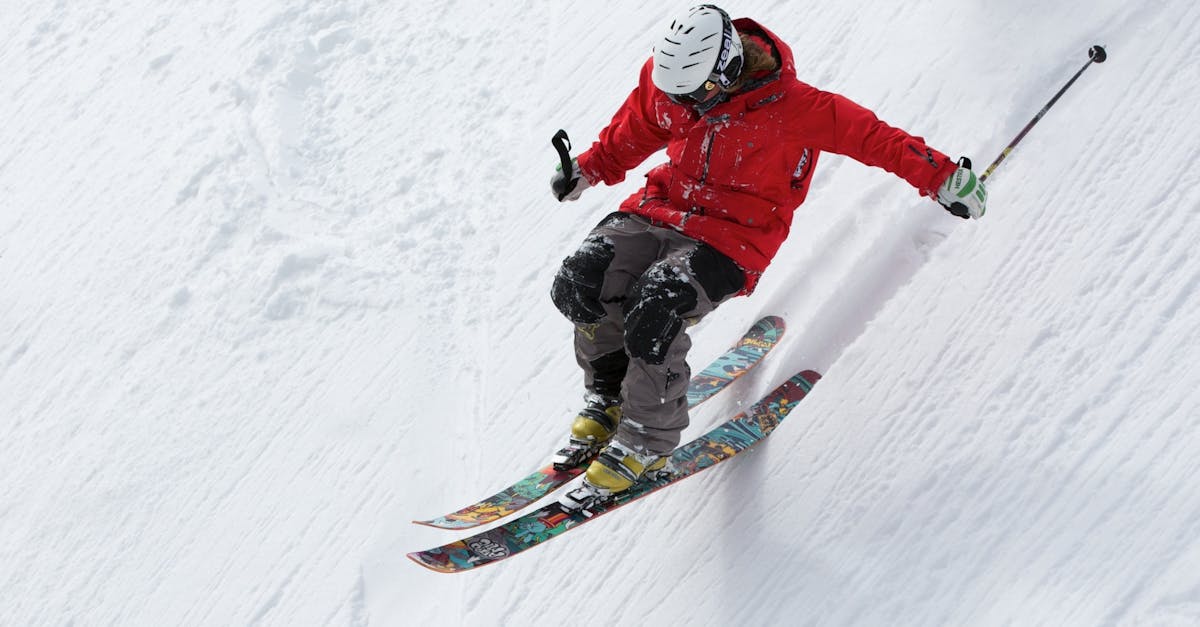
Skiing is brutally demanding on your legs—and the fitter you are, the more runs you can enjoy before fatigue sets in. Strong quads, resilient knees, and good core stability mean you can ski longer, recover faster, and significantly reduce injury risk. This program prepares your body for the unique demands of skiing, whether you're hitting groomers or challenging yourself in the bumps.
Strength for Skiing
Skiing involves sustained isometric and eccentric leg contractions. Your quads work constantly in a bent position, controlling speed and absorbing terrain. Weak legs mean the "jello leg" feeling that ruins the last runs of the day.
Lateral stability is critical. Every turn requires your legs to resist sideways forces. The hip abductors and adductors work overtime to keep you stable through turns and absorb the shock of variable terrain.
Core strength connects upper and lower body movements. Good skiers initiate turns from their core while their legs follow. A strong core also absorbs the shocks that would otherwise stress your spine.
Benefits for Skiers
More Runs
Stronger legs fatigue slower, giving you more quality time on snow.
Better Control
Leg strength and stability improve turn precision and speed control.
Injury Prevention
Strong muscles protect knees—the most common ski injury site.
Mogul Ability
Bump skiing requires serious leg strength and shock absorption.
Faster Recovery
Well-trained muscles recover faster between ski days.
Confidence
Physical capability lets you attempt more challenging terrain.
Program Overview
Who it's for: Skiers preparing for the season or improving performance
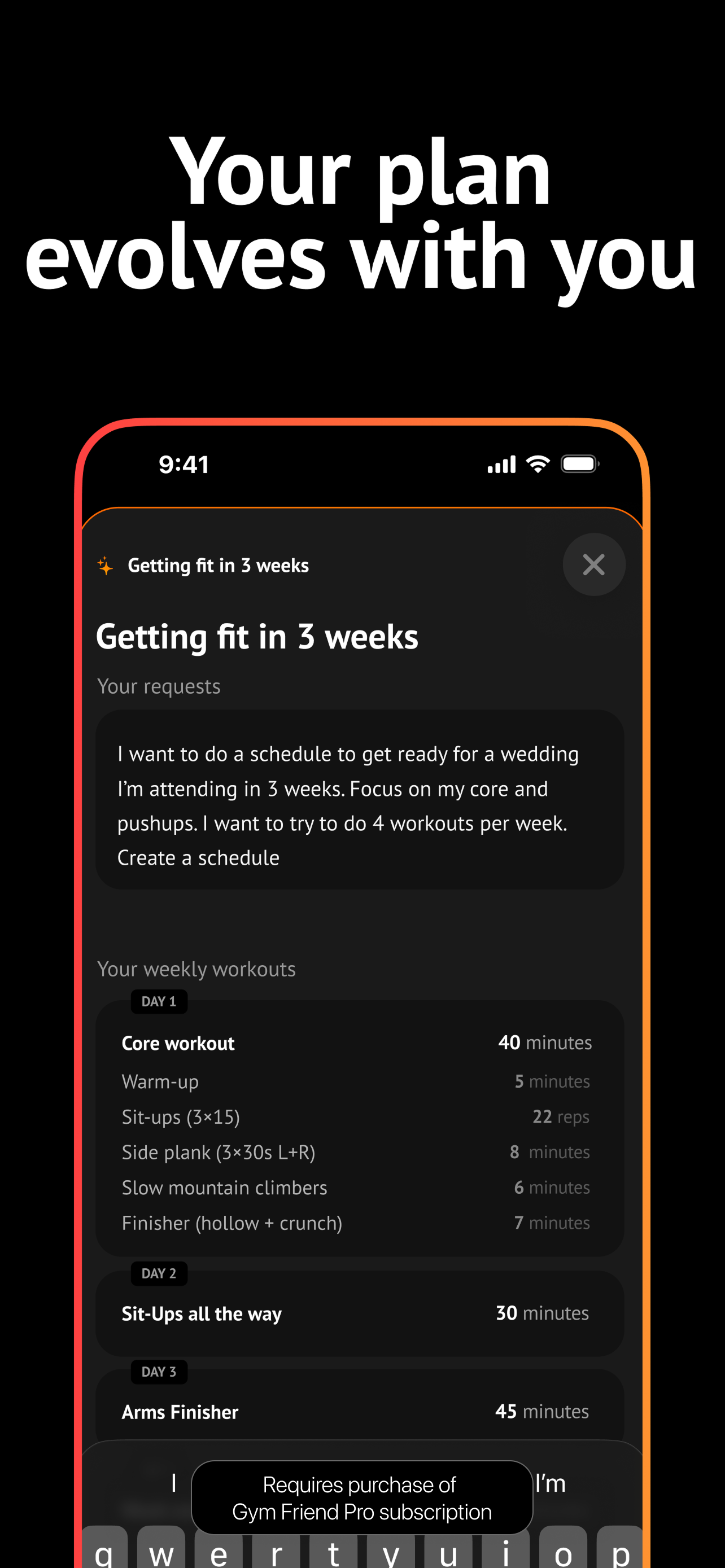
Don't have all this equipment? GymFriend can build you a custom program using whatever you have available.
Why These Exercises?
Each exercise in this program was selected for a specific reason. Here's why:
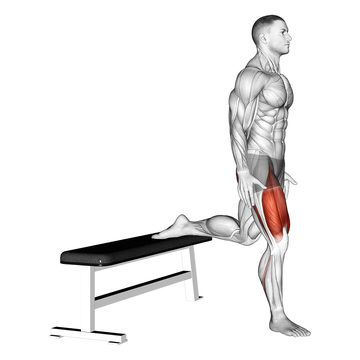
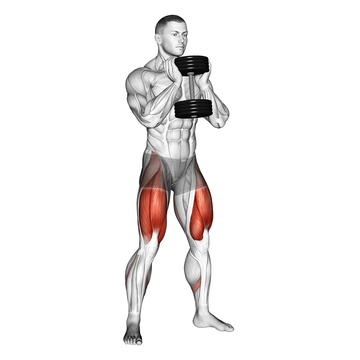
Dumbbell Goblet Squat
Foundational quad and glute strength. The core skiing movement.
Weighted Squat
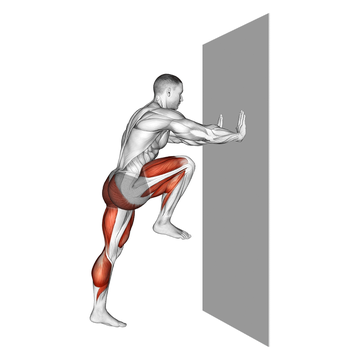
Isometric quad endurance mimicking the skiing position.
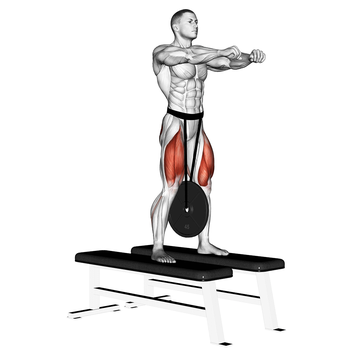
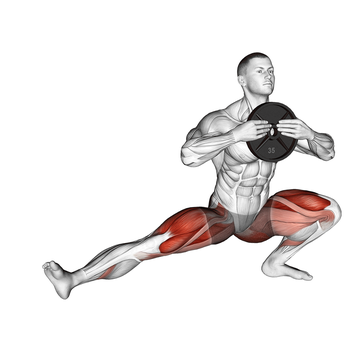
Weighted Cossack Squats
Lateral movement strength for edge-to-edge transitions.
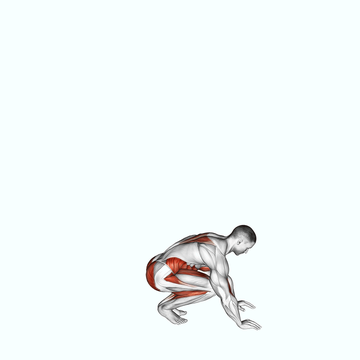
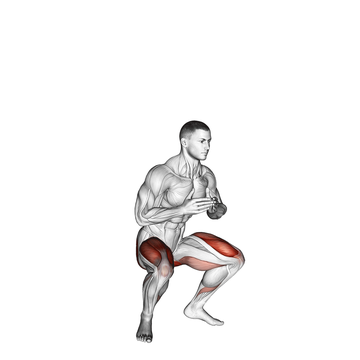
Jump Squat
Explosive power for quick edge changes and absorbing terrain.
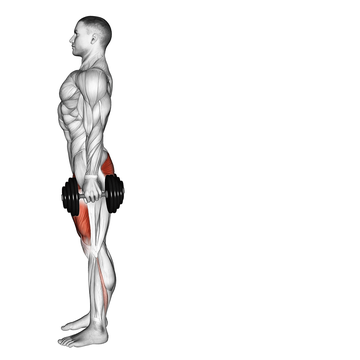
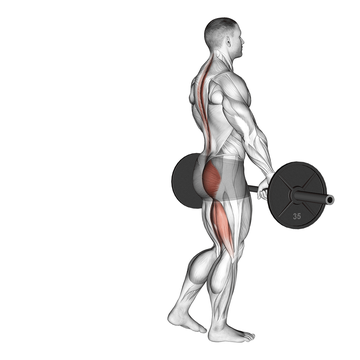
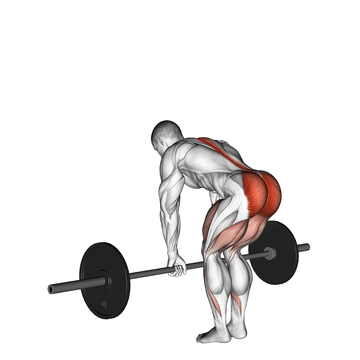
Barbell Single Leg Deadlift
Single-leg stability and hamstring strength for balance.
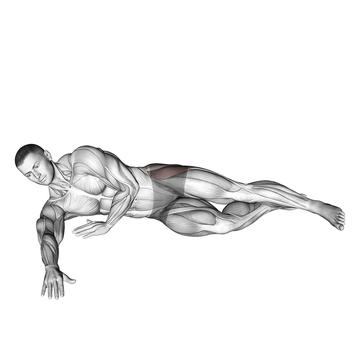
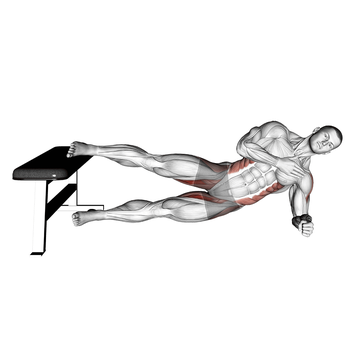
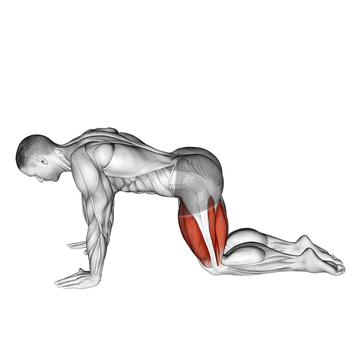
Weighted Front Plank
Core stability that connects upper and lower body.
The Complete 2-3 days (start 6-8 weeks before season) Program
Follow this program consistently for best results. Start with weights that feel manageable and aim to increase gradually each week as you get stronger.
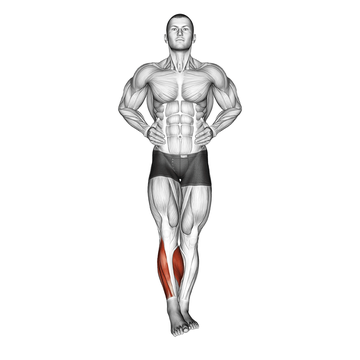
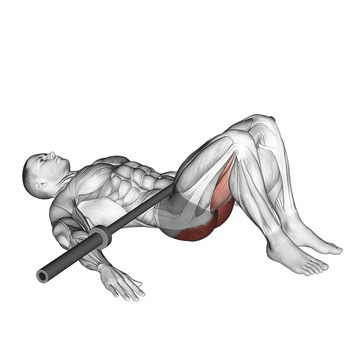
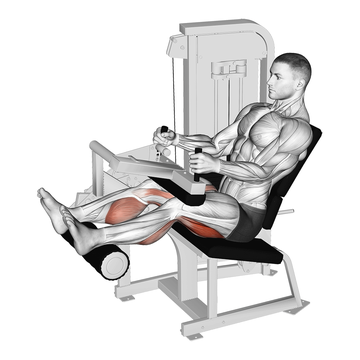
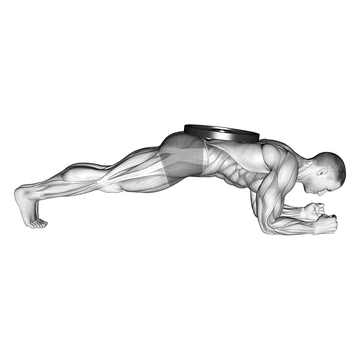
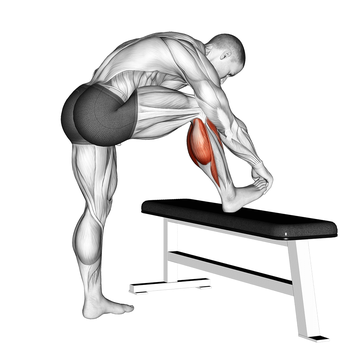
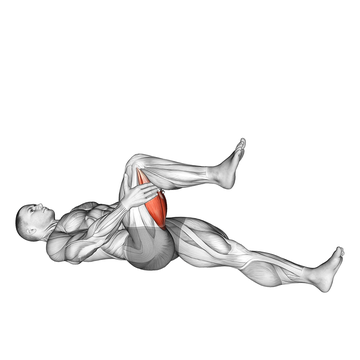
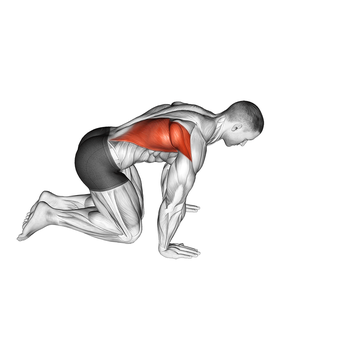
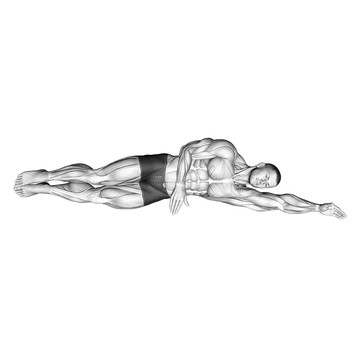
Want this program adjusted for your fitness level, goals, or schedule? GymFriend can create a personalized version just for you.
Pre-Season Preparation
- Start 6-8 weeks before ski season for meaningful adaptation.
- Include isometric holds (wall sits) to mimic the sustained quad work of skiing.
- Train lateral movements—skiing involves constant side-to-side shifting.
- Don't neglect hamstrings. They stabilize the knee joint during skiing.
- Include plyometrics for shock absorption capability.
- Maintain training during season with reduced volume to stay strong.
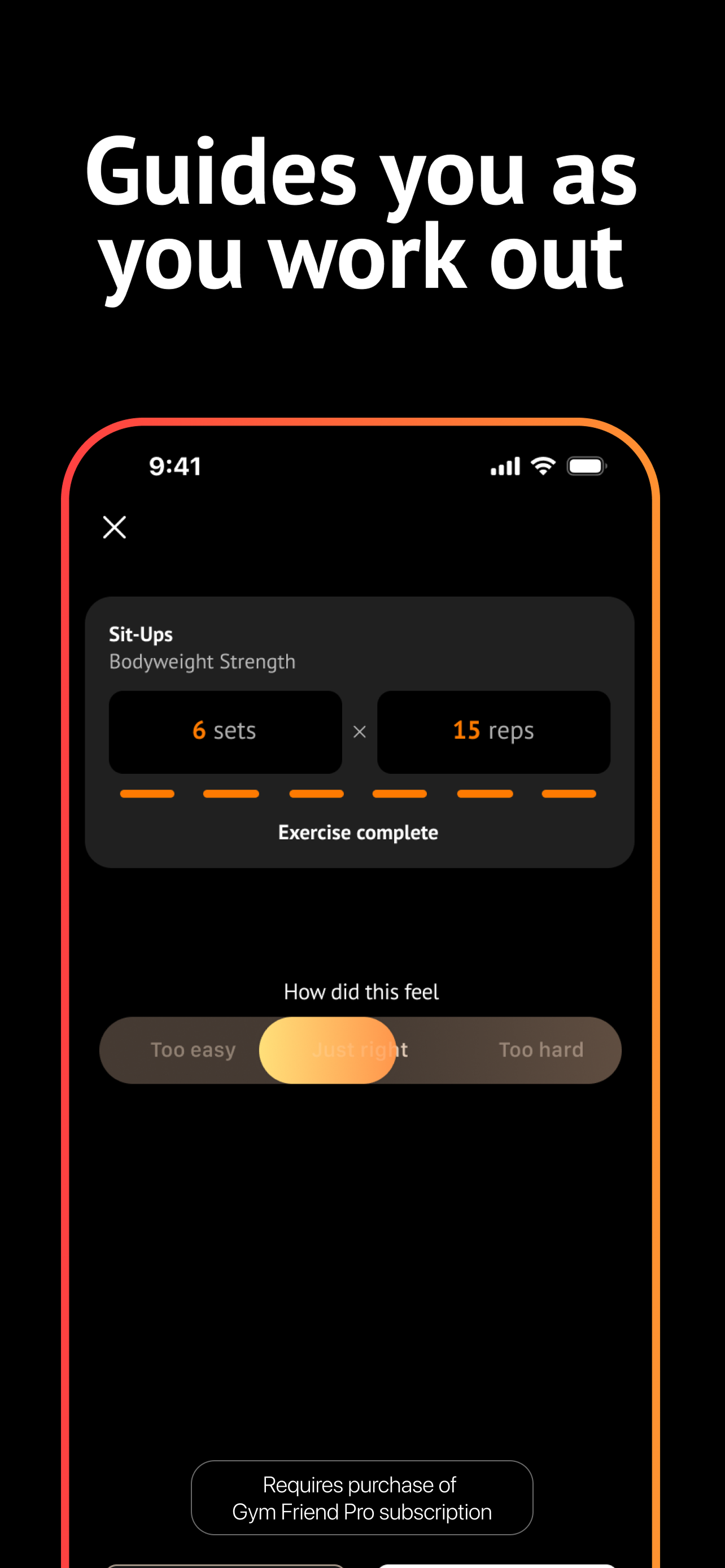
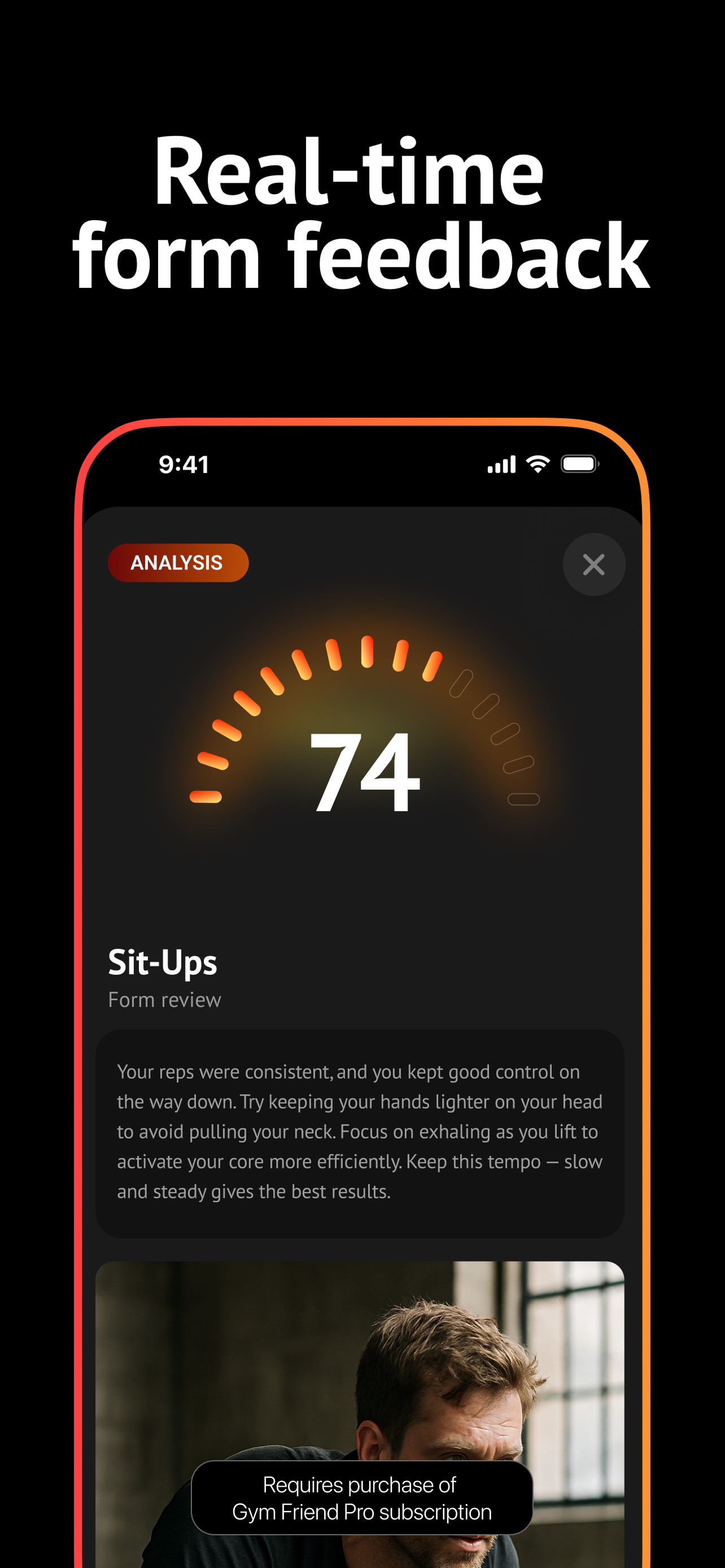
Edit your plan, track progress, and get realtime coaching

Frequently Asked Questions
When should I start training for ski season?
6-8 weeks minimum before your first ski day. 12 weeks is better if starting from low fitness. Continue throughout the season with reduced volume.
Why do my legs burn so fast when skiing?
Skiing involves constant quad engagement in a bent position. Training with wall sits, goblet squats with pauses, and high-rep leg work builds this endurance.
Will this help prevent knee injuries?
Strong quads, hamstrings, and hip muscles significantly reduce knee injury risk by stabilizing the joint and absorbing forces before they stress ligaments.
Should I train during ski season?
Yes, but reduce volume. One or two sessions per week maintains strength. Don't train legs hard the day before a ski day.
What about balance training?
Single-leg exercises build functional balance. Add wobble board or BOSU work if available, but strong single-leg strength is more important.