Strength Training for MMA

MMA fighters need complete physical development—striking power, grappling strength, explosive takedowns, and the endurance to maintain intensity through multiple rounds. Traditional bodybuilding doesn't cut it. This program develops the functional, fight-specific strength that translates to performance in the cage.
Strength Demands in MMA
Fighting is fundamentally about force production and force absorption. You need the strength to generate power in strikes and takedowns while having the stability to absorb and redirect incoming force. This requires full-body coordination, not isolated muscle training.
Grip and pulling strength dominate grappling. Clinch work, takedowns, and ground control all depend on your ability to grip and pull against resistance. Training these patterns is essential for MMA success.
Explosive power with endurance is the unique MMA challenge. You need the power to knock someone out in round one and the endurance to maintain strength through a 25-minute fight. Training must develop both qualities.
Benefits for MMA Fighters
Striking Power
Ground-based power generation for harder punches and kicks.
Grappling Strength
Pulling power for takedowns, clinch control, and submissions.
Explosive Movement
Quick level changes and reactive movements.
Injury Resistance
Strong joints and muscles that handle combat stress.
Repeated Power
Maintain strength output throughout the fight.
Core Stability
Resist manipulation and generate rotational force.
Program Overview
Who it's for: MMA fighters and combat sport athletes
Don't have all this equipment? GymFriend can build you a custom program using whatever you have available.
Why These Exercises?
Each exercise in this program was selected for a specific reason. Here's why:
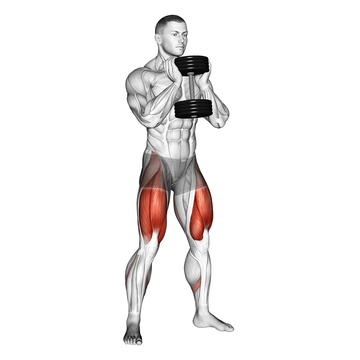
Dumbbell Goblet Squat
Leg strength for takedowns and level changes.
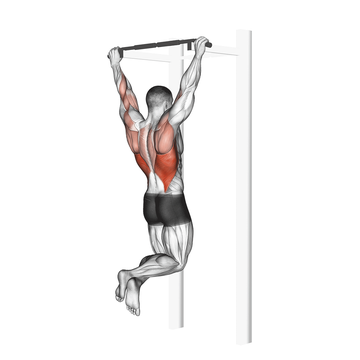
Pull-up
Pulling strength essential for grappling and clinch work.
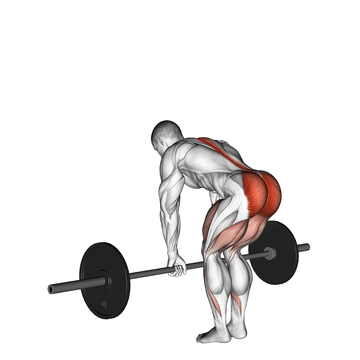
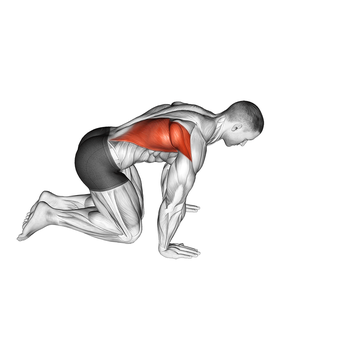
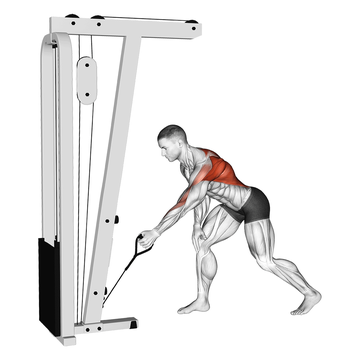
Cable One Arm Bent Over Row
Unilateral pulling power for controlling opponents.
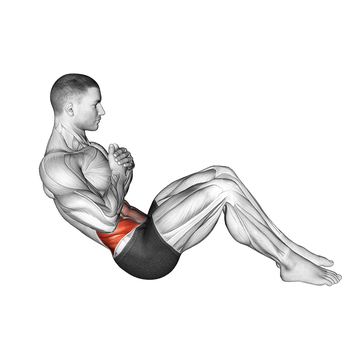
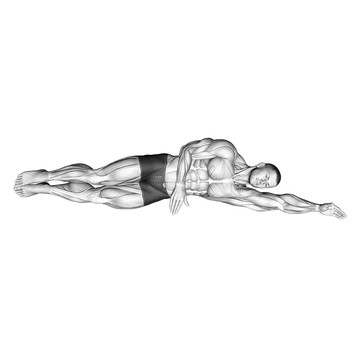
Russian Twist
Rotational core strength for striking and grappling.
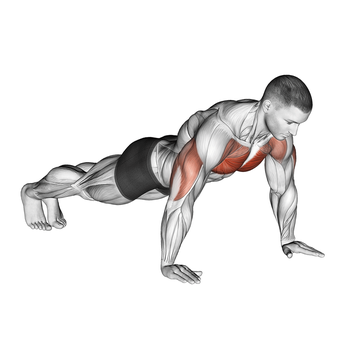
Push-up
Pressing strength for posting and creating distance.
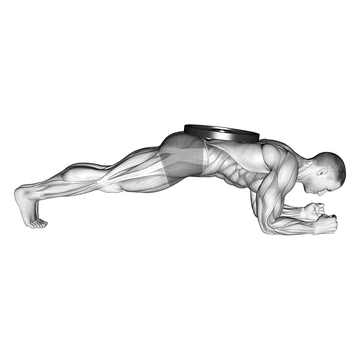
Weighted Front Plank
Core stability against manipulation.
The Complete 2-3 days Program
Follow this program consistently for best results. Start with weights that feel manageable and aim to increase gradually each week as you get stronger.
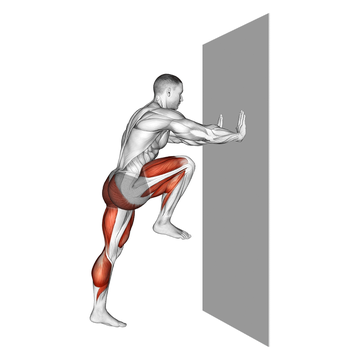
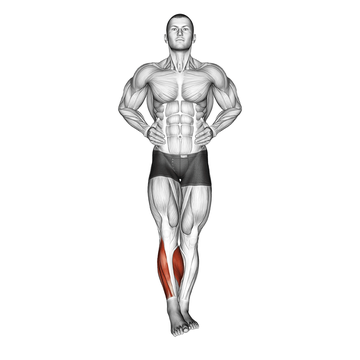
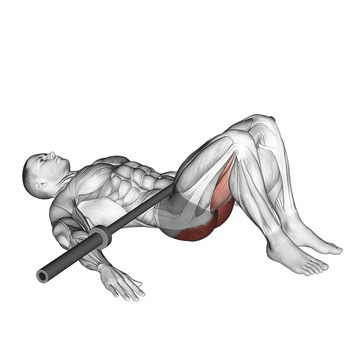
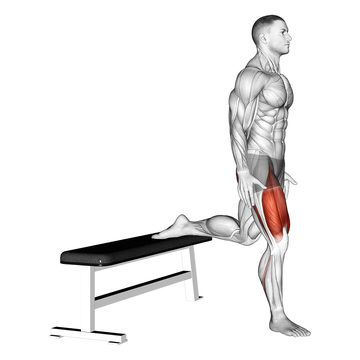
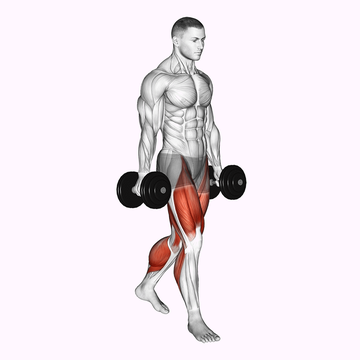
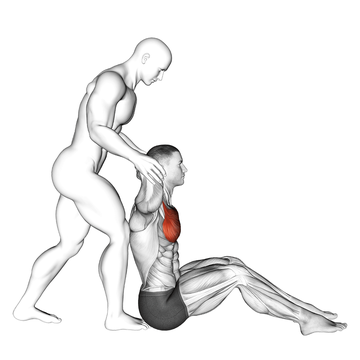
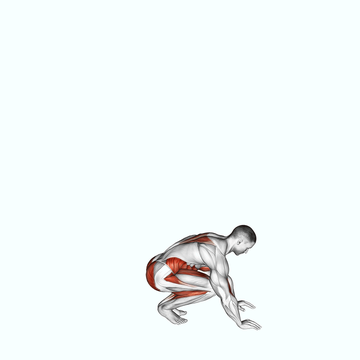
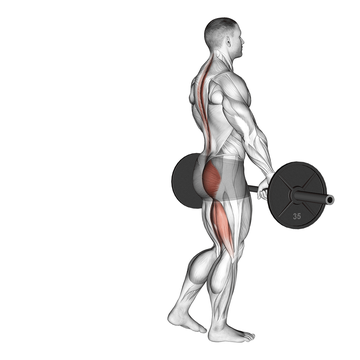
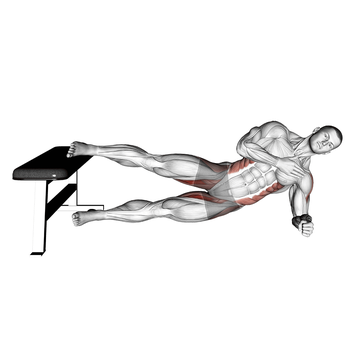
Want this program adjusted for your fitness level, goals, or schedule? GymFriend can create a personalized version just for you.
Building Fighter Strength
- Prioritize full-body movements over isolation—fighting is never isolated.
- Train grip strength directly—it's often the limiting factor in grappling.
- Include explosive movements, not just slow strength.
- Don't neglect pulling—it's more important than pushing in fighting.
- Time strength training to not interfere with skill work.
- Periodize carefully around fight camps and competitions.
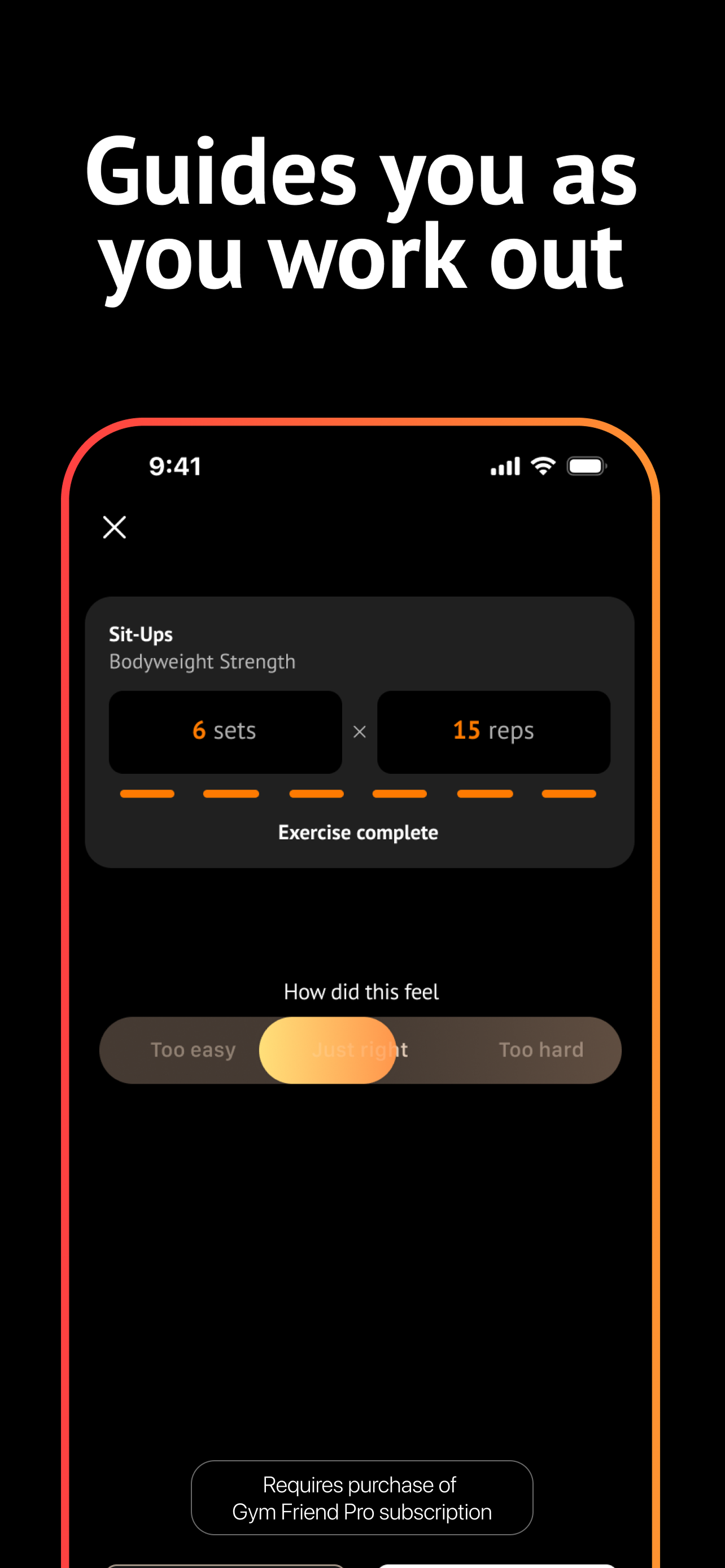
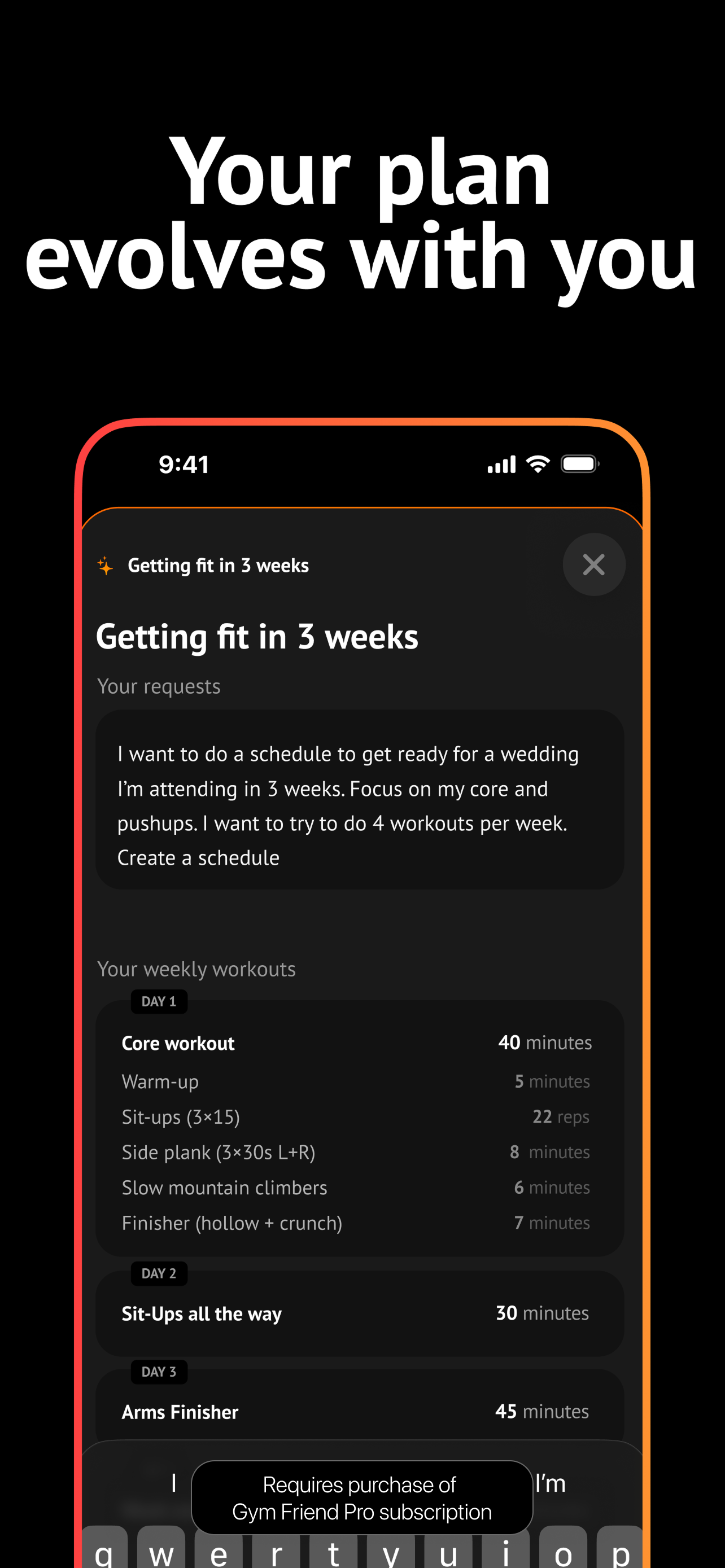
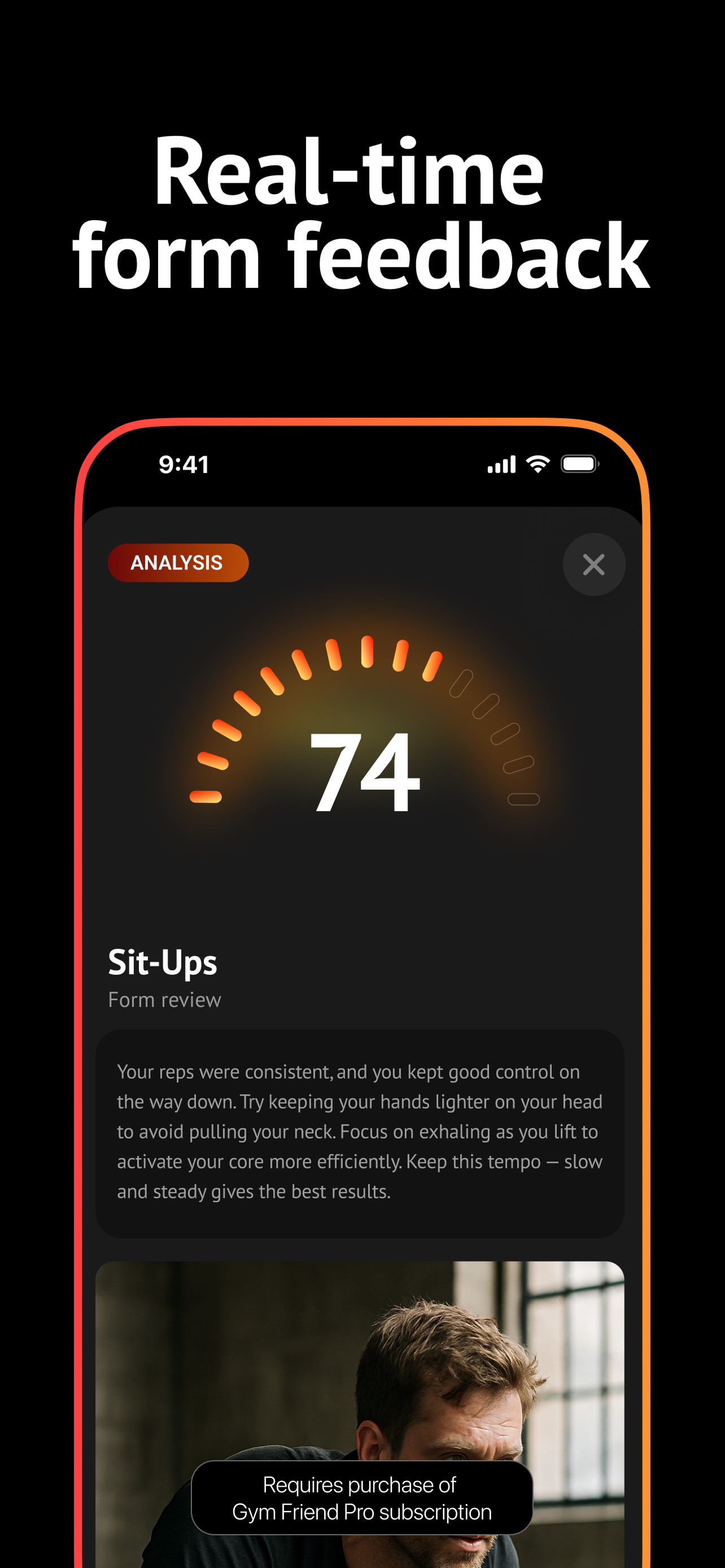
Edit your plan, track progress, and get realtime coaching


Frequently Asked Questions
How often should MMA fighters lift?
2-3 times per week during general preparation. Reduce to 1-2 sessions during fight camp when skill work and sparring increase. Recovery must be prioritized.
Will lifting make me slower?
Not if trained properly. Focus on explosive movements and power development. Avoid slow, heavy grinding sets that build bulk without speed.
Should I train differently for different weight classes?
Lighter classes should prioritize power-to-weight ratio and explosiveness. Heavier classes can benefit from more absolute strength development.
What about endurance?
Strength training doesn't replace conditioning. MMA requires specific energy system work—intervals matching round duration and combat intensity.
How do I improve grip strength?
Dead hangs, towel pull-ups, farmer carries, and rope work all build grip. Also train grip during other exercises by using fat grips or avoiding straps.