Strength Training for Hockey
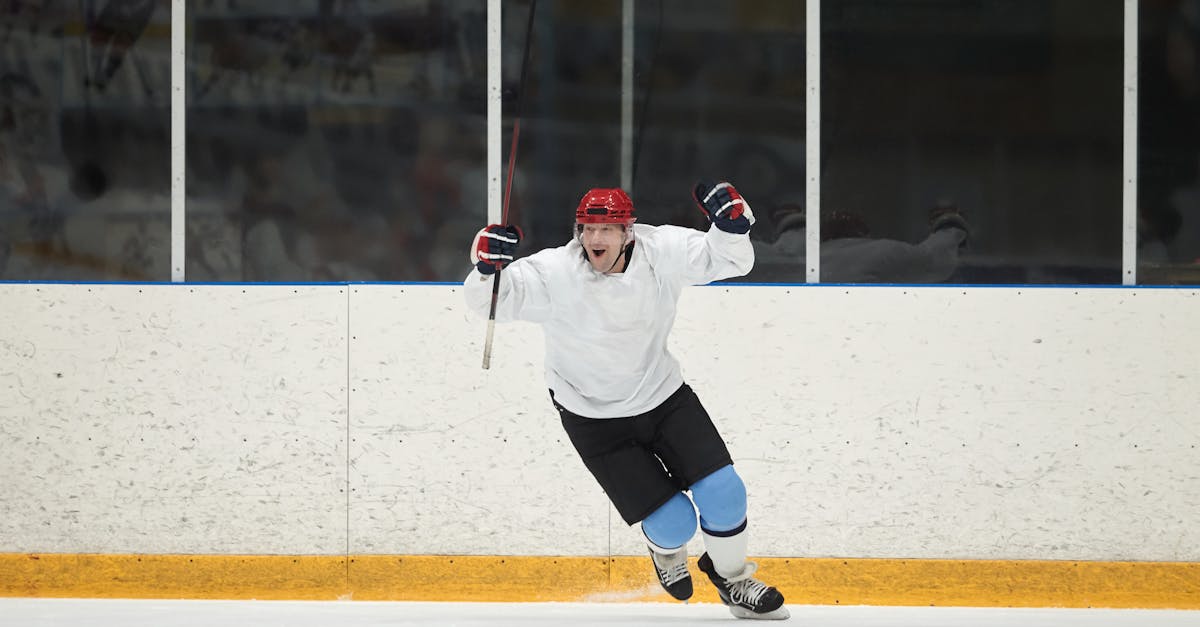
Hockey is one of the most physically demanding sports—combining speed, power, endurance, and physical contact at high intensity. Success on the ice requires strength that translates to harder shots, faster acceleration, stronger puck battles, and the durability to handle collisions. This program builds the hockey-specific power you need.
Strength Demands in Hockey
Skating power comes from the hips and legs, particularly lateral and rotational strength. The skating stride loads muscles differently than running—you need to train single-leg power and hip abduction to improve skating speed and acceleration.
Shot power originates from the core and transfers through the arms. A powerful slap shot requires rotational strength and the ability to generate force quickly. Core training should emphasize rotation and anti-rotation.
Physical play demands total body strength. Winning puck battles, absorbing checks, and maintaining position requires a strong foundation—particularly in the hips, core, and upper body.
Benefits for Hockey Players
Faster Skating
Hip and leg power translates directly to acceleration and top speed.
Harder Shots
Core rotation and arm strength increase shot velocity.
Physical Dominance
Strength to win puck battles and absorb contact.
Injury Prevention
Stronger muscles protect against the demands of physical play.
Late-Game Performance
Maintain strength and speed in the third period.
Quick Direction Changes
Hip stability for explosive transitions on the ice.
Program Overview
Who it's for: Hockey players looking to improve on-ice performance
Don't have all this equipment? GymFriend can build you a custom program using whatever you have available.
Why These Exercises?
Each exercise in this program was selected for a specific reason. Here's why:
Dumbbell Goblet Squat
Leg strength foundation for skating power and acceleration.
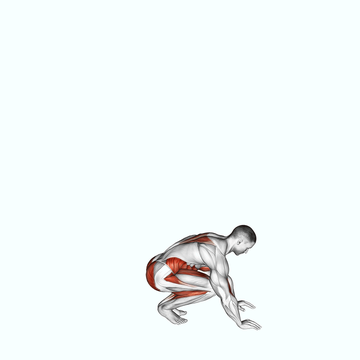
Weighted Cossack Squats
Hip strength in the skating movement pattern.
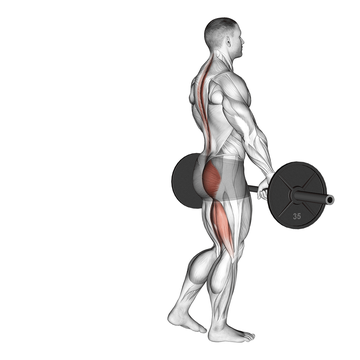
Barbell Single Leg Deadlift
Single-leg stability for skating balance and push-off power.
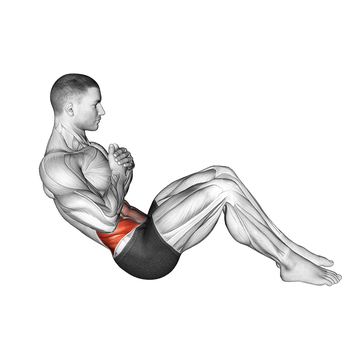
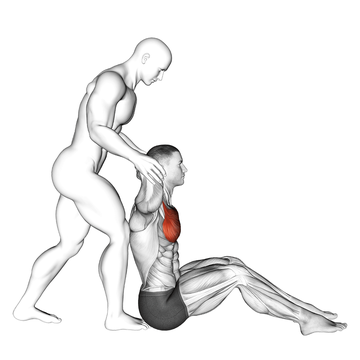
Russian Twist
Rotational core strength for shot power and stick handling.
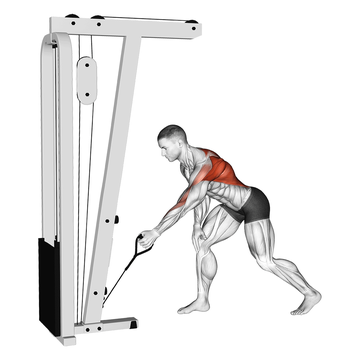
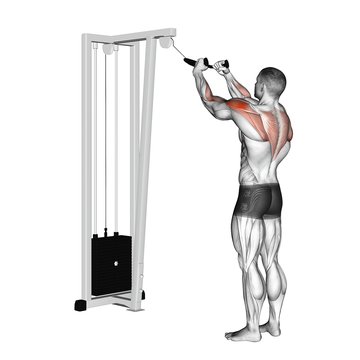
Cable One Arm Bent Over Row
Back strength for shot power and physical play.
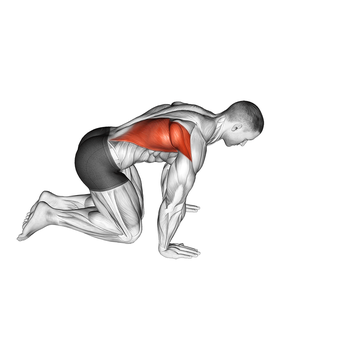
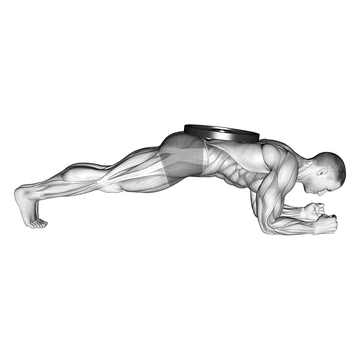
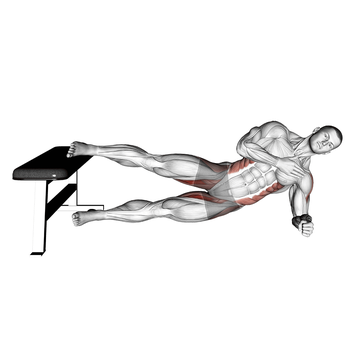
Weighted Front Plank
Core stability for maintaining skating position.
The Complete 3 days Program
Follow this program consistently for best results. Start with weights that feel manageable and aim to increase gradually each week as you get stronger.
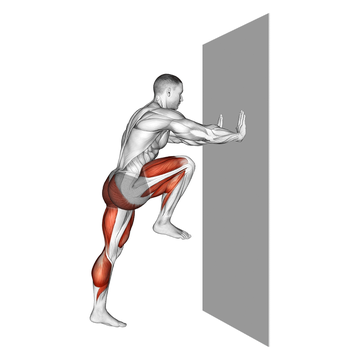
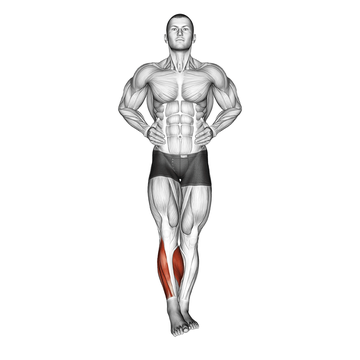
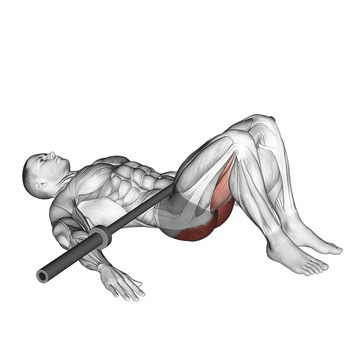
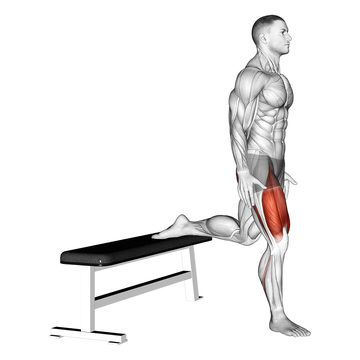
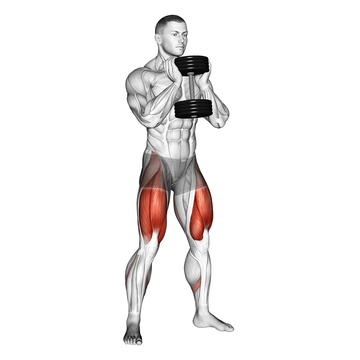
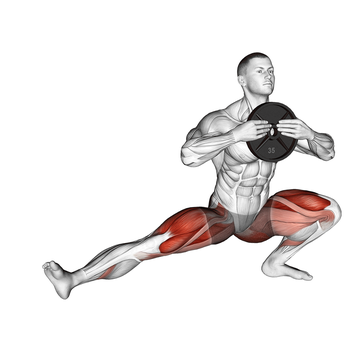
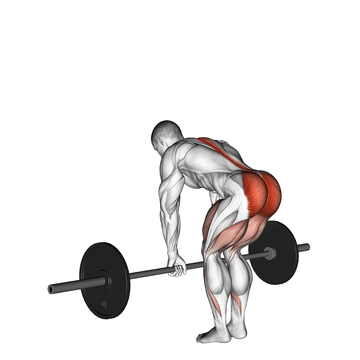
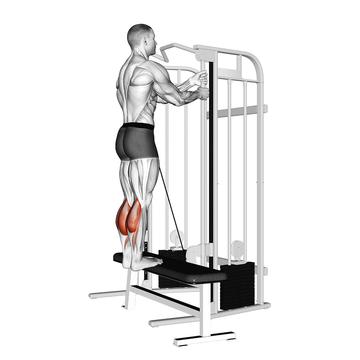
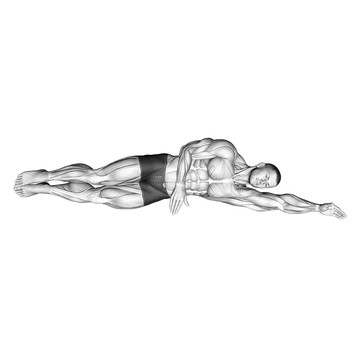
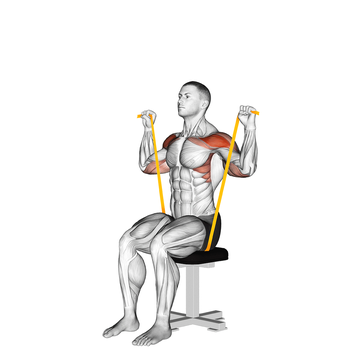
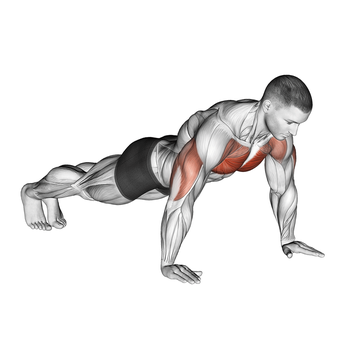
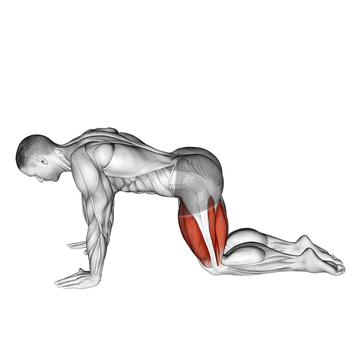
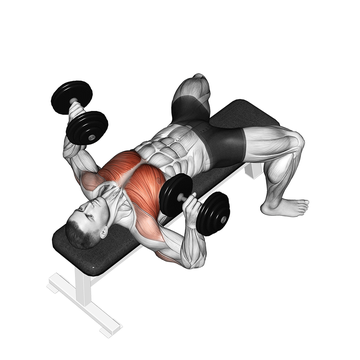
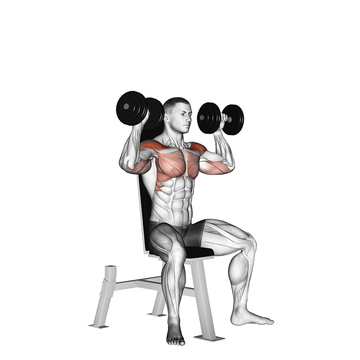
Want this program adjusted for your fitness level, goals, or schedule? GymFriend can create a personalized version just for you.
Building Hockey Strength
- Prioritize single-leg and lateral work—hockey is rarely bilateral.
- Train rotational movements for shot power, not just sagittal plane.
- Include explosive movements to develop quick-twitch power.
- Don't neglect upper body—physical play requires it.
- Periodize around your season—peak strength in playoffs.
- Address hip mobility—the skating position creates tightness.
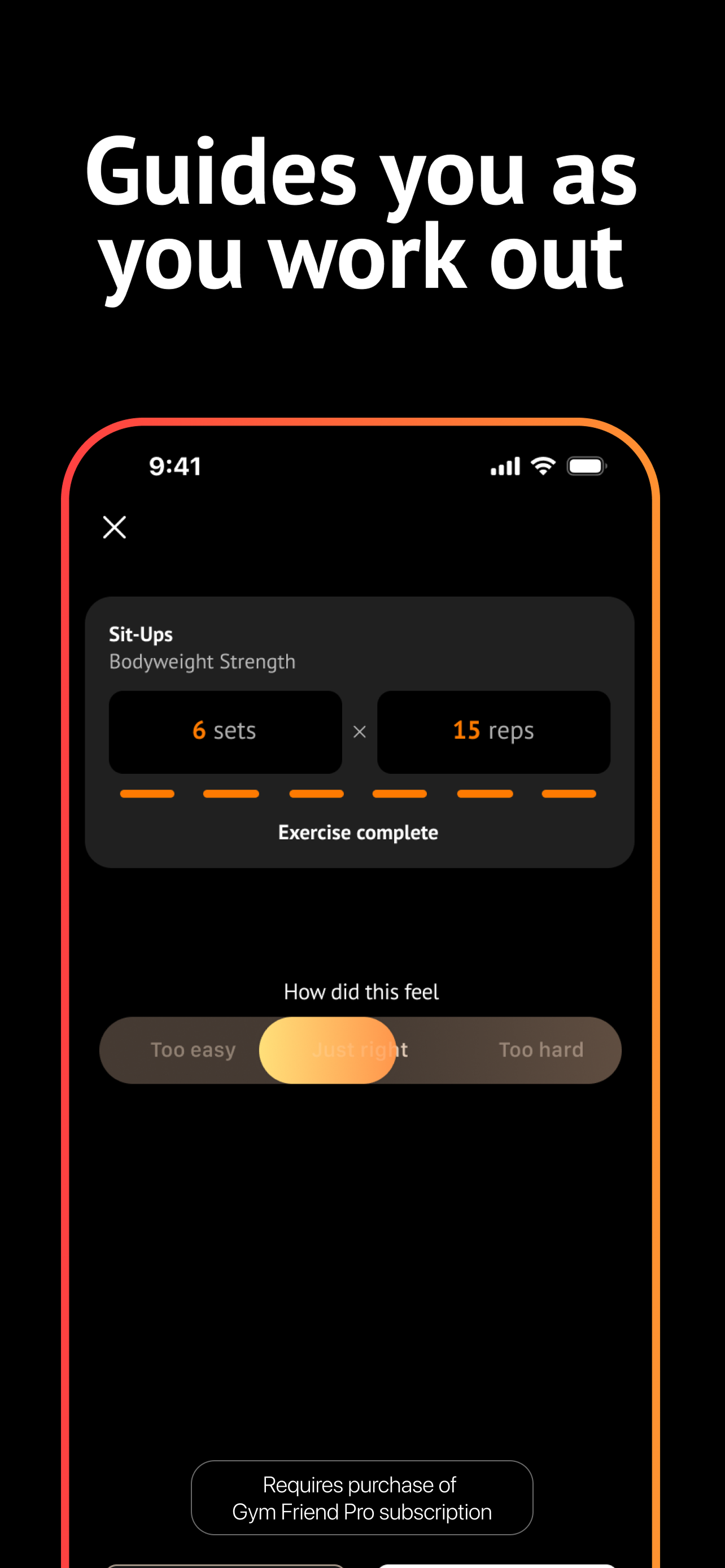
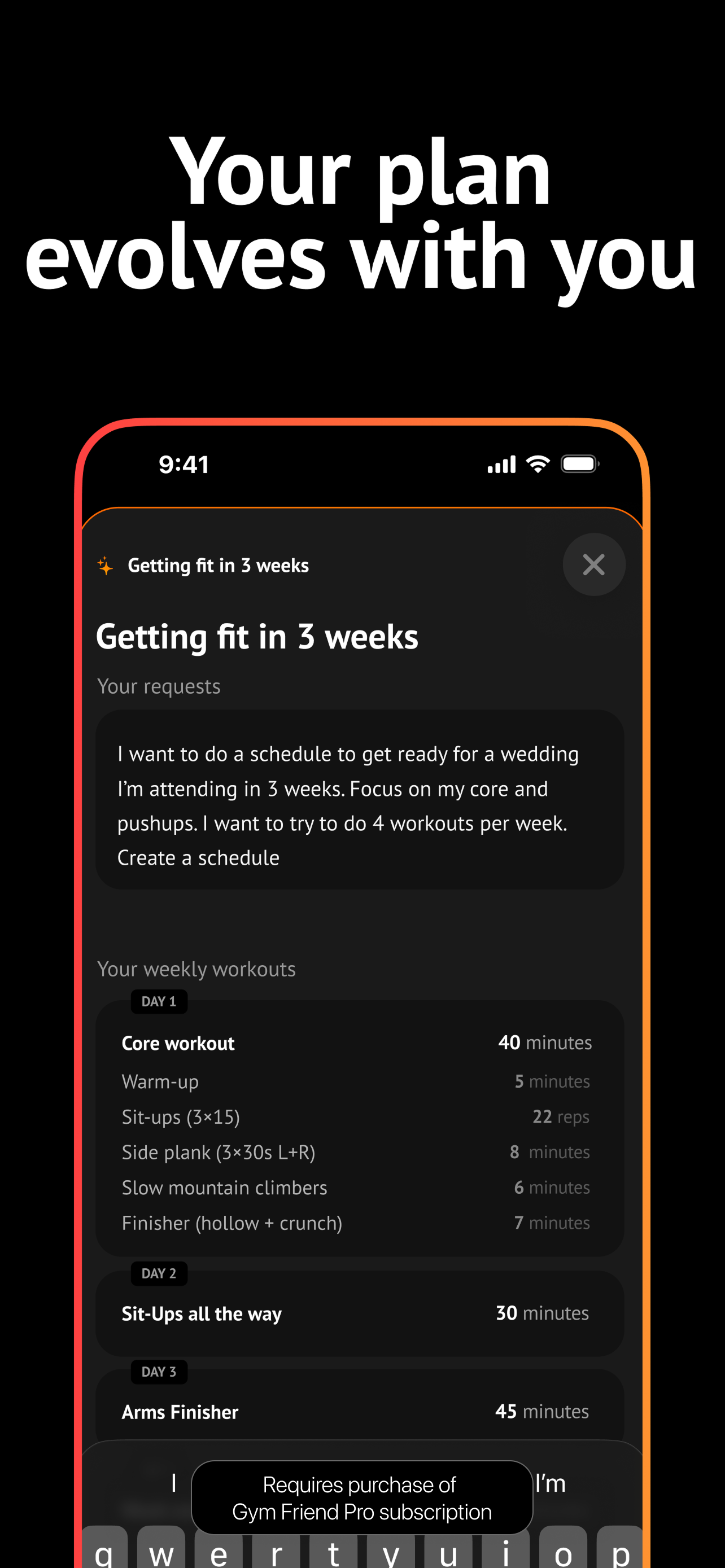
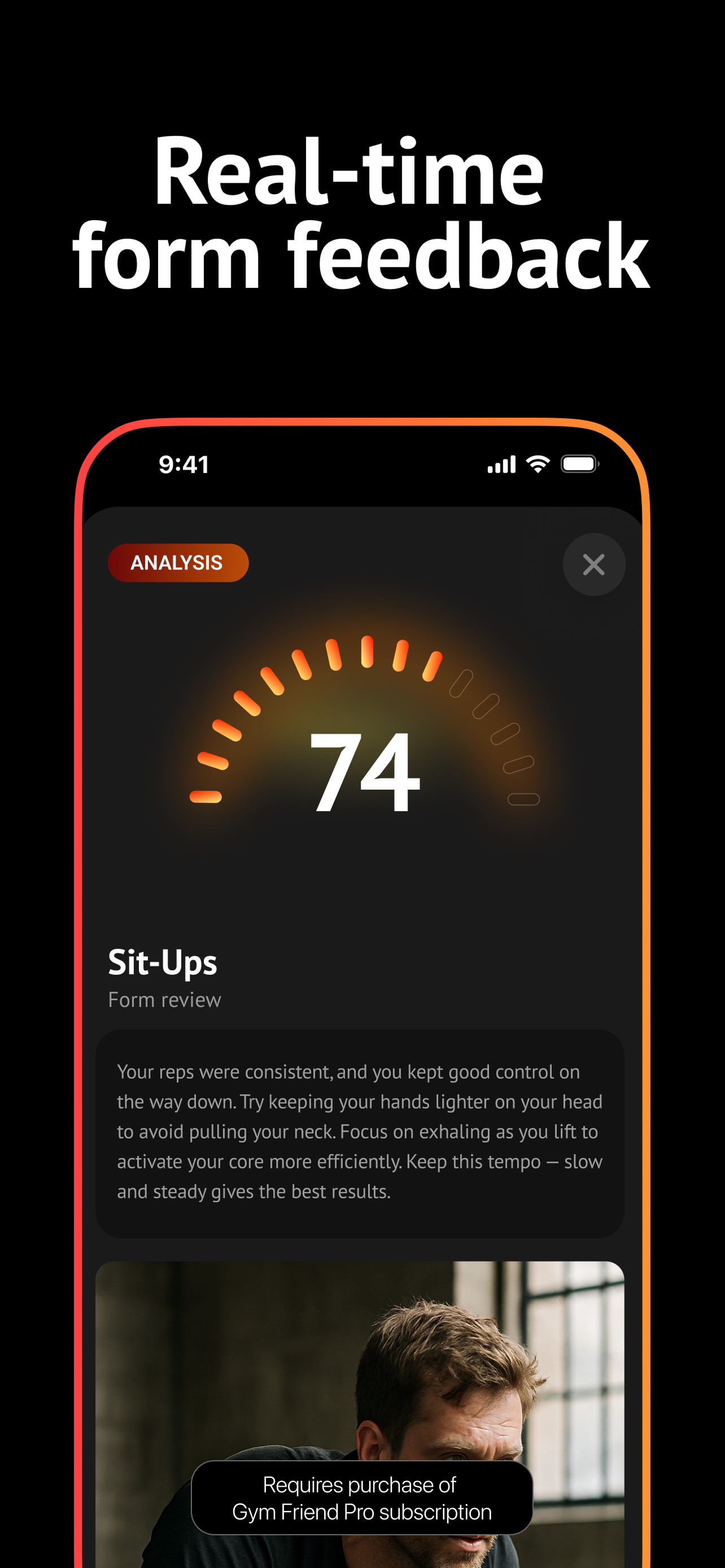
Edit your plan, track progress, and get realtime coaching

Frequently Asked Questions
How often should hockey players lift?
During season, 2 sessions per week maintains strength. Off-season, increase to 3-4 sessions for development. Always allow recovery before games.
Will lifting make me slower on the ice?
Proper training improves skating speed. Focus on explosive movements and power development. Avoid excessive hypertrophy work that adds non-functional mass.
How do I improve my shot power?
Train core rotation and upper body strength together. Medicine ball throws, cable rotations, and heavy rows all contribute. The power comes from your core, not just your arms.
What about conditioning?
Strength training complements conditioning but doesn't replace it. Hockey requires specific energy system work—intervals that match shift duration and intensity.
Should goalies train differently?
Yes. Goalies need more hip mobility, lateral movement training, and reaction-based work. Less emphasis on shot power, more on positioning and quick movements.