Strength Training for CrossFit

CrossFit rewards the well-rounded athlete, but strength is often the limiting factor. When your deadlift is weak, you struggle in workouts featuring heavy barbell movements. When your pulling strength lags, gymnastics movements suffer. This program builds the strength foundation that supports all aspects of CrossFit performance.
Strength in CrossFit
CrossFit workouts test strength endurance—the ability to move heavy loads repeatedly under fatigue. Building a higher strength ceiling means working at a lower relative intensity during workouts, improving times and scores.
Weak points limit performance. If your squat is underdeveloped, front squats and thrusters will always be limiting factors. Targeted strength work brings up lagging areas so no single weakness holds you back.
Movement quality requires strength. Proper positions in Olympic lifts and gymnastics demand strength to maintain. Weak athletes compensate with poor form, limiting performance and increasing injury risk.
Benefits of Strength Training for CrossFit
Higher Work Capacity
Stronger athletes work at lower percentages during WODs.
Better Positions
Strength to maintain proper form under fatigue.
Improved Gymnastics
Pulling and pressing strength enables more advanced movements.
Faster RX Times
Heavy weights feel lighter with a higher strength base.
Injury Prevention
Strong muscles and connective tissue handle high volume better.
Confidence
Attack heavy workouts knowing you have the strength for them.
Program Overview
Who it's for: CrossFit athletes looking to build their strength foundation
Don't have all this equipment? GymFriend can build you a custom program using whatever you have available.
Why These Exercises?
Each exercise in this program was selected for a specific reason. Here's why:
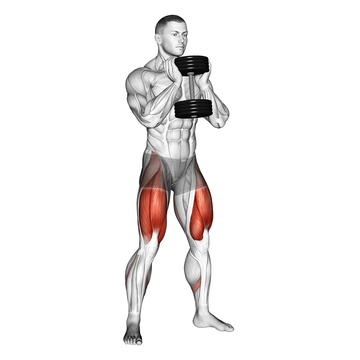
Dumbbell Goblet Squat
Squat strength for front squats, thrusters, and wall balls.
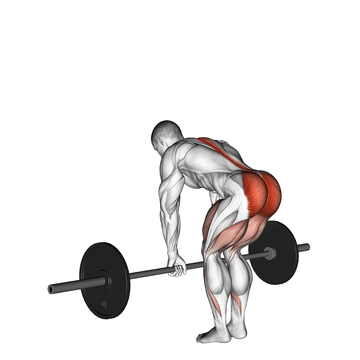
Barbell Romanian Deadlift
Posterior chain for deadlifts and Olympic lift positions.
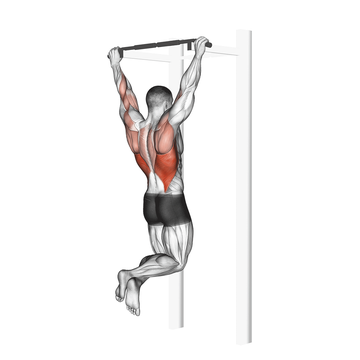
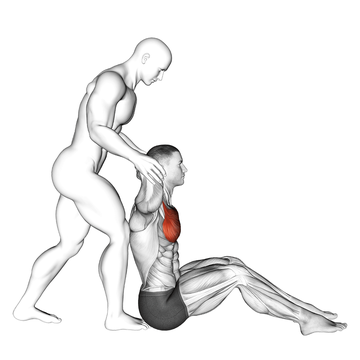
Pull-up
Pulling strength foundation for all gymnastics work.
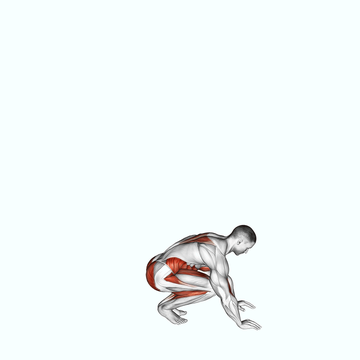
Push-up
Pressing endurance for push-ups, HSPU, and bench work.
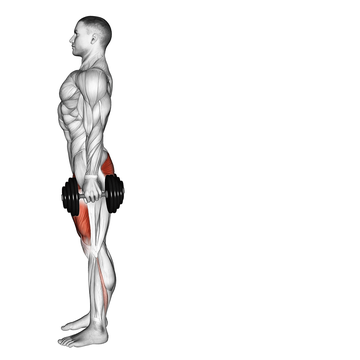
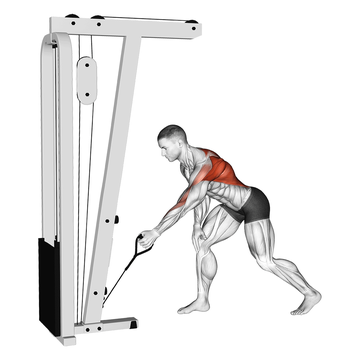
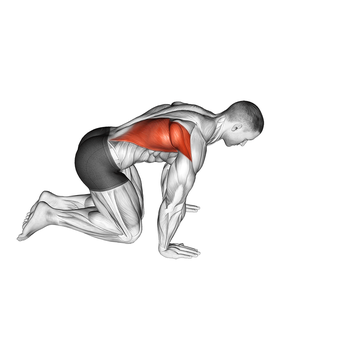
Cable One Arm Bent Over Row
Upper back strength for pulling movements and posture.
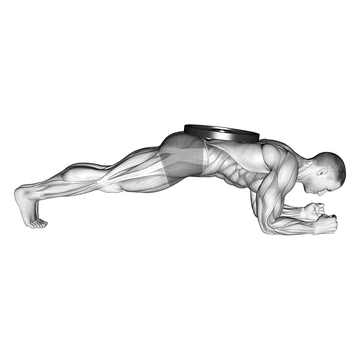
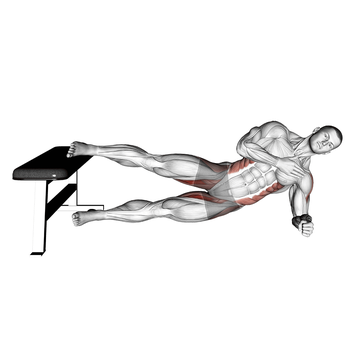
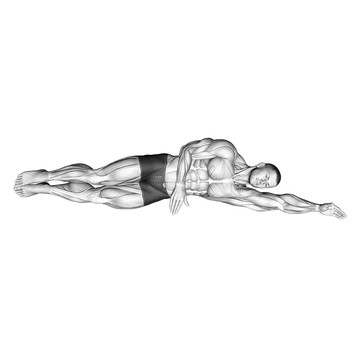
Weighted Front Plank
Core stability for overhead movements and gymnastics.
The Complete 2-3 days (supplementing CrossFit) Program
Follow this program consistently for best results. Start with weights that feel manageable and aim to increase gradually each week as you get stronger.
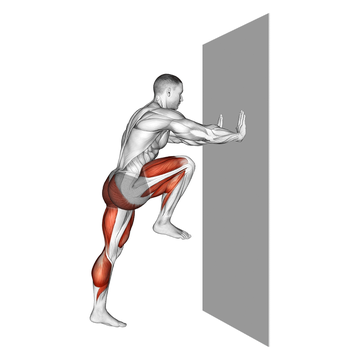
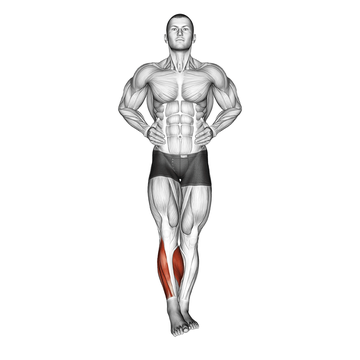
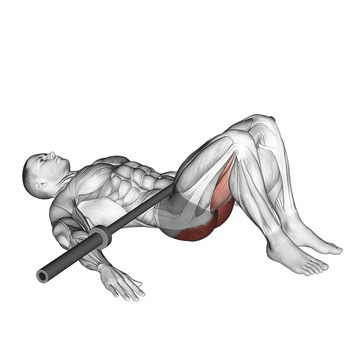
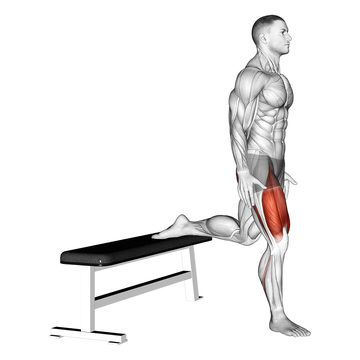
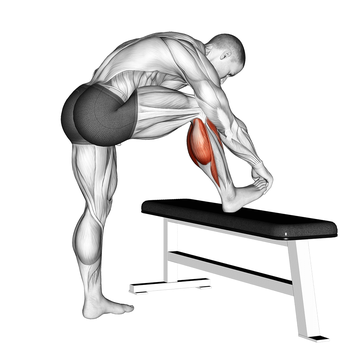
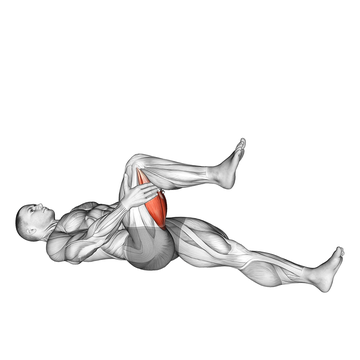
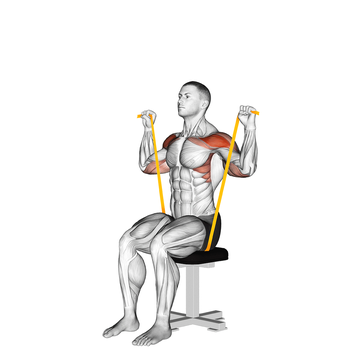
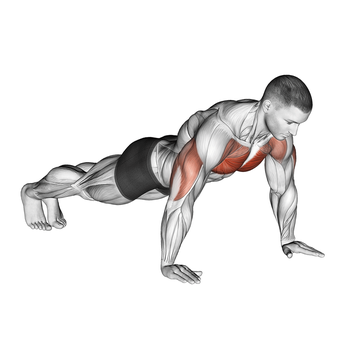
Want this program adjusted for your fitness level, goals, or schedule? GymFriend can create a personalized version just for you.
Adding Strength to CrossFit
- Add strength work on rest days or before WODs, not after.
- Keep supplemental work focused—don't turn it into another workout.
- Prioritize your weakest lifts and movements.
- Track strength numbers separately from WOD performance.
- Don't skip strength when you feel tired—consistency matters.
- Periodize around competitions if you compete.
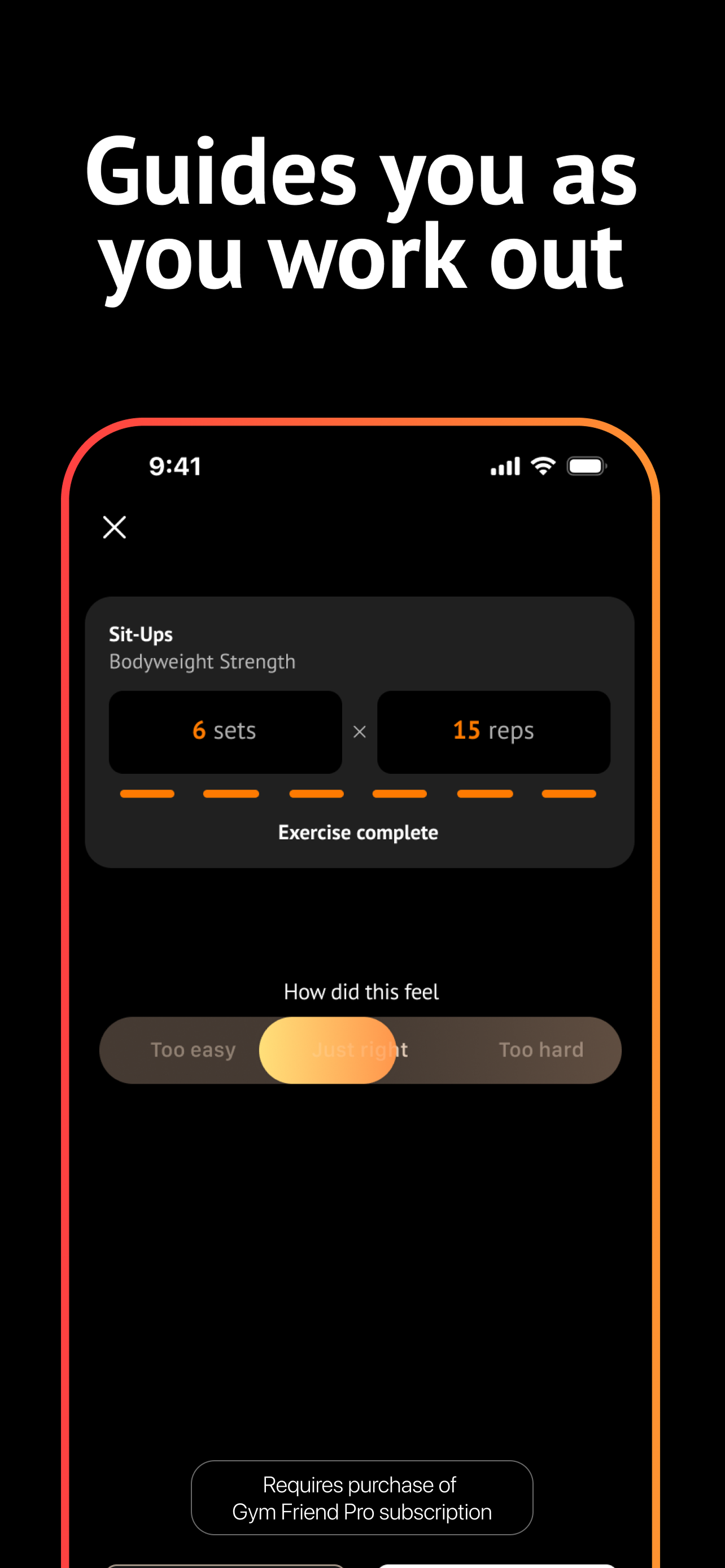
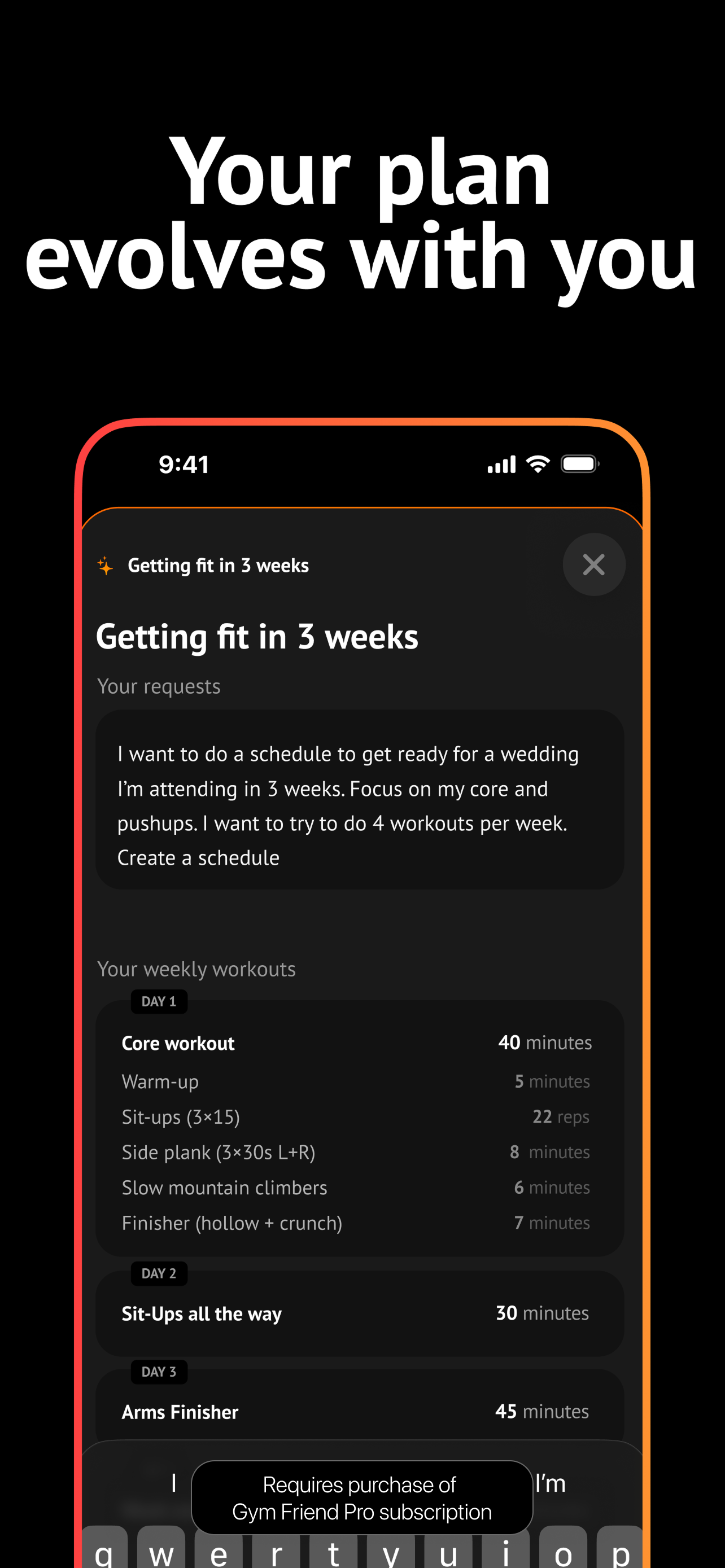
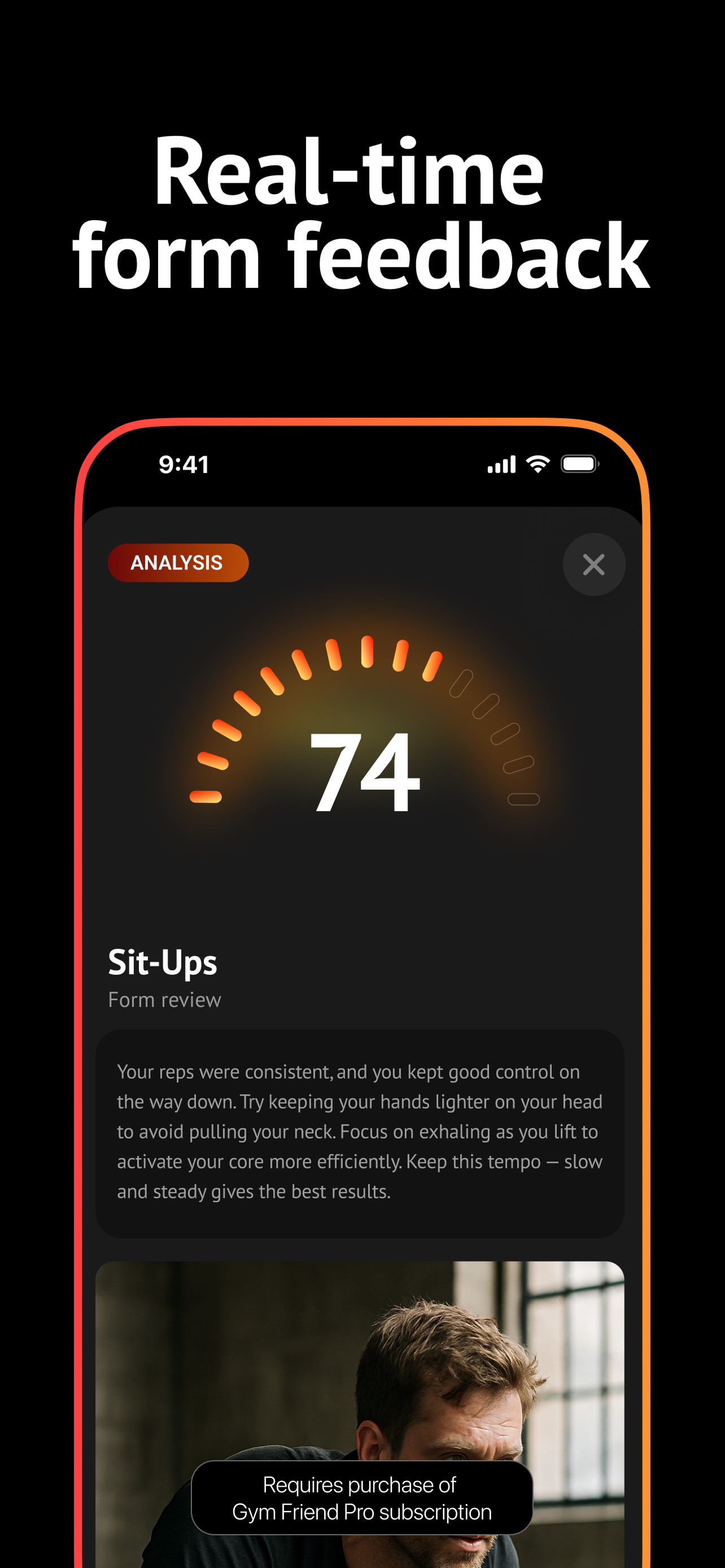
Edit your plan, track progress, and get realtime coaching

Frequently Asked Questions
When should I do strength work?
Before WODs when fresh, on rest days, or as a separate session. Avoid doing strength after intense metabolic work when you're fatigued.
Won't extra strength work cause overtraining?
It can if not managed. Keep strength sessions focused and moderate in volume. The goal is to supplement CrossFit, not add another grueling workout.
How do I know what to prioritize?
Identify your weakest movements. If Olympic lifts suffer, work on positions and pulling. If gymnastics is limiting, build pulling and pressing strength.
Should I follow a linear progression?
Linear progressions work for newer athletes. More experienced CrossFitters benefit from undulating periodization that varies intensity.
What about Olympic lift technique?
This program builds general strength. Olympic lift technique requires specific practice, ideally with coaching. Strength supports technique but doesn't replace it.