Cable Workouts for Strength
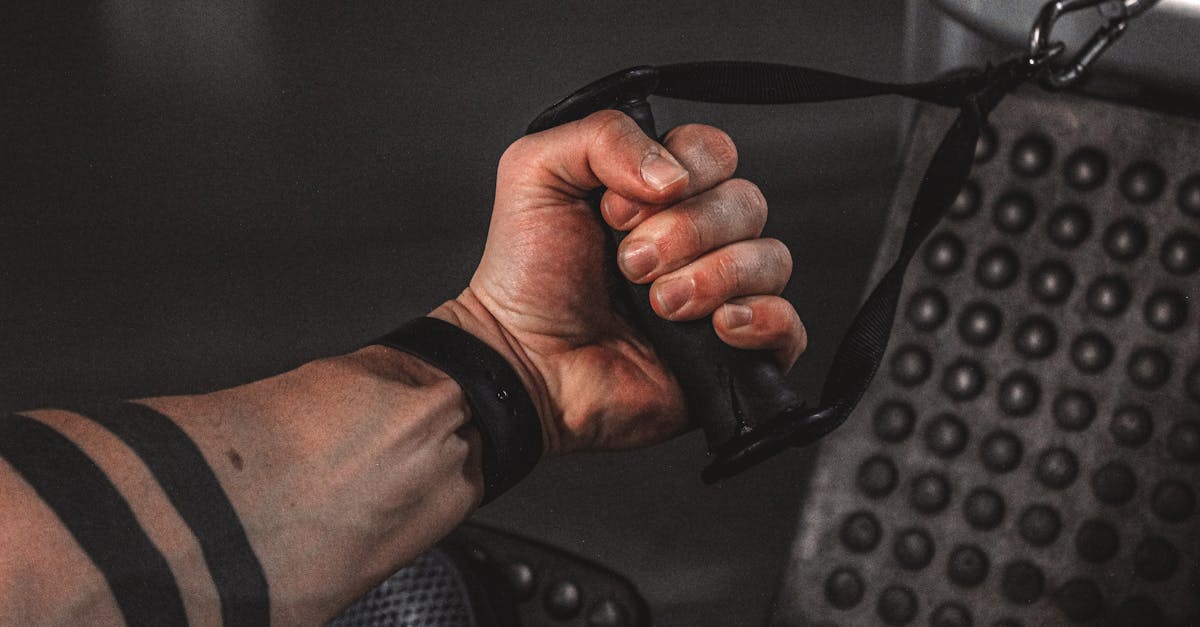
Cable machines offer unique training advantages that free weights can't match—constant tension throughout the movement, adjustable angles, and smooth resistance that's easy on joints. This program uses cables strategically to build strength and muscle, whether you're supplementing free weight training or doing a complete cable-only workout.
Why Cable Training Works
Cables provide constant tension. Unlike dumbbells where resistance varies through the range of motion, cables maintain tension from start to finish. This means more time under tension and more stimulus for muscle growth.
Adjustable pulleys allow training from any angle. You can target muscle fibers that free weights miss by changing the cable position. This creates more complete development.
Cables are joint-friendly. The smooth resistance is easier on joints than the jarring of heavy free weights. This makes cables excellent for those with joint issues or during high-volume training phases.
Benefits of Cable Training
Constant Tension
Maintain muscle engagement through the entire range of motion.
Angle Variety
Train from angles impossible with free weights.
Joint Friendly
Smooth resistance is easier on joints than free weights.
Safety
No risk of dropping weights—safer for training alone.
Isolation Options
Target specific muscles precisely.
Unilateral Training
Easy single-arm and single-leg variations.
Program Overview
Who it's for: Anyone with cable machine access wanting varied training
Don't have all this equipment? GymFriend can build you a custom program using whatever you have available.
Why These Exercises?
Each exercise in this program was selected for a specific reason. Here's why:
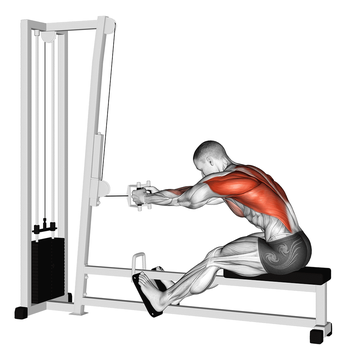
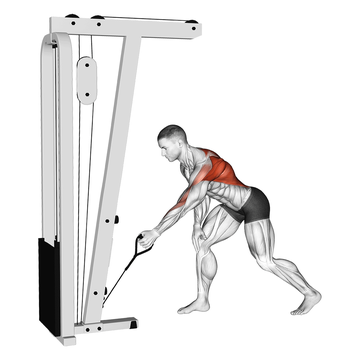
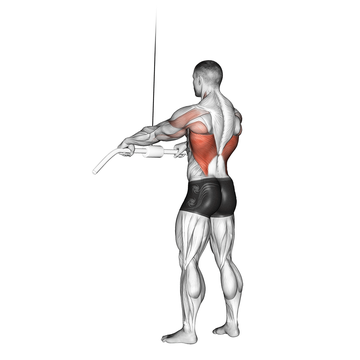
Cable Seated Row
Back thickness and lat development with constant tension.
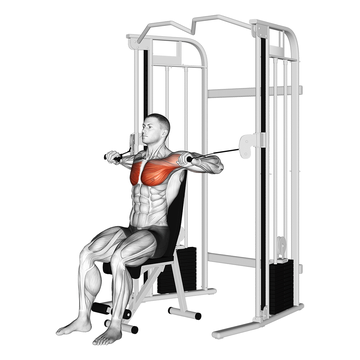
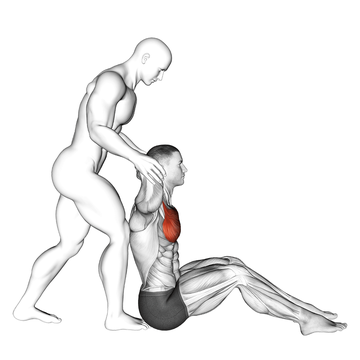
Cable Seated Chest Press
Chest development with smooth pressing motion.
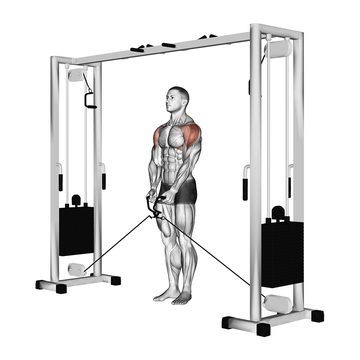
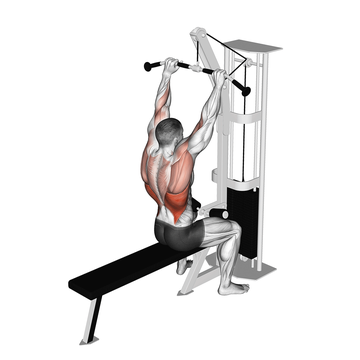
Cable Rear Delt Row (with Rope)
Rear delts and external rotators for shoulder health.
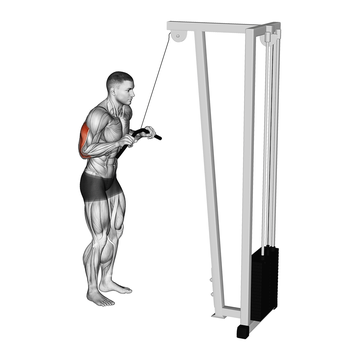
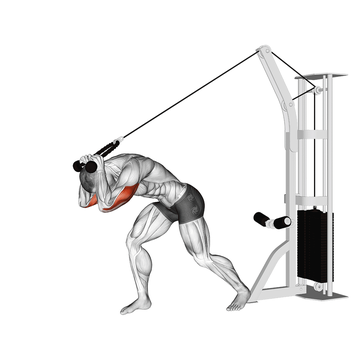
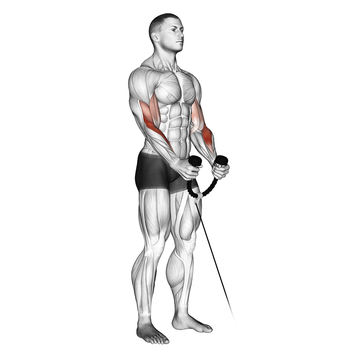
Cable Pushdown
Direct tricep work with constant tension.
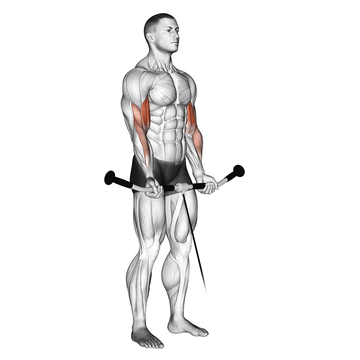
Cable Curl
Bicep isolation with tension through full range.
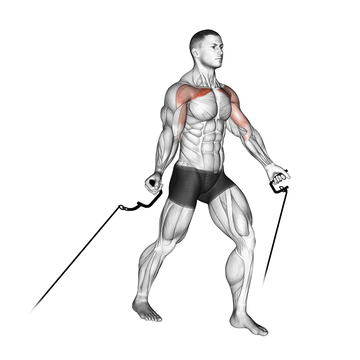
Cable Lateral Raise
Side delt isolation with continuous resistance.
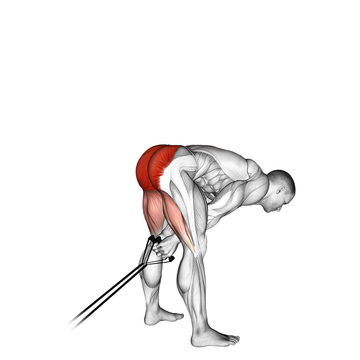
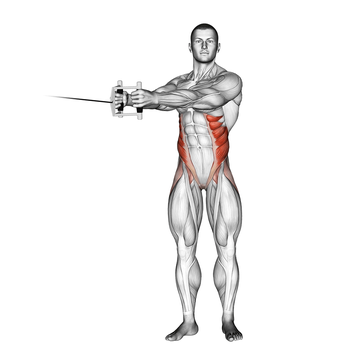
The Complete 3 days Program
Follow this program consistently for best results. Start with weights that feel manageable and aim to increase gradually each week as you get stronger.
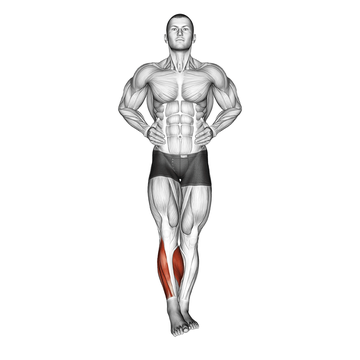
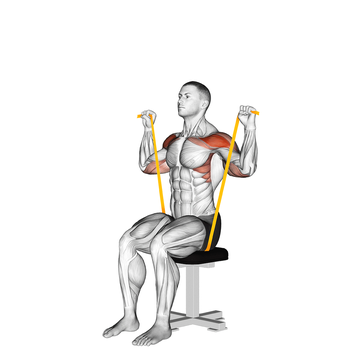
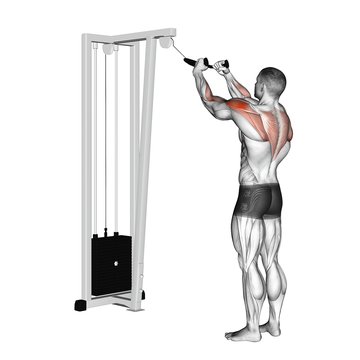
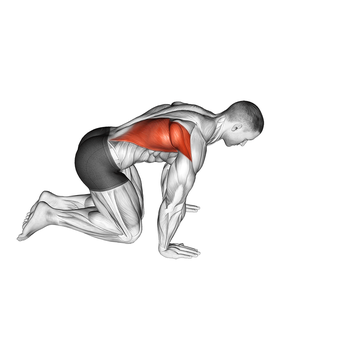
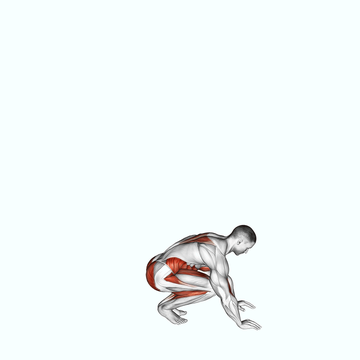
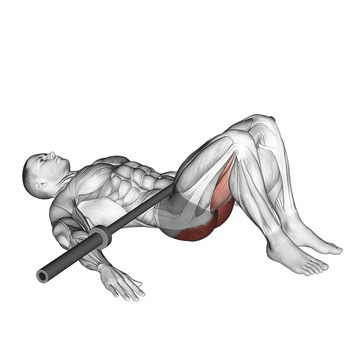
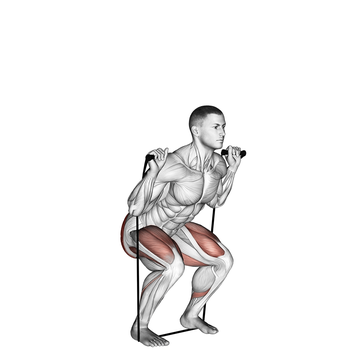
Want this program adjusted for your fitness level, goals, or schedule? GymFriend can create a personalized version just for you.
Effective Cable Training
- Control the weight—don't let the stack slam.
- Experiment with pulley heights for different angles.
- Focus on the squeeze and contraction, not just moving weight.
- Use moderate weight with strict form before going heavy.
- Combine cables with free weights for complete training.
- Try single-arm variations for balance and core engagement.
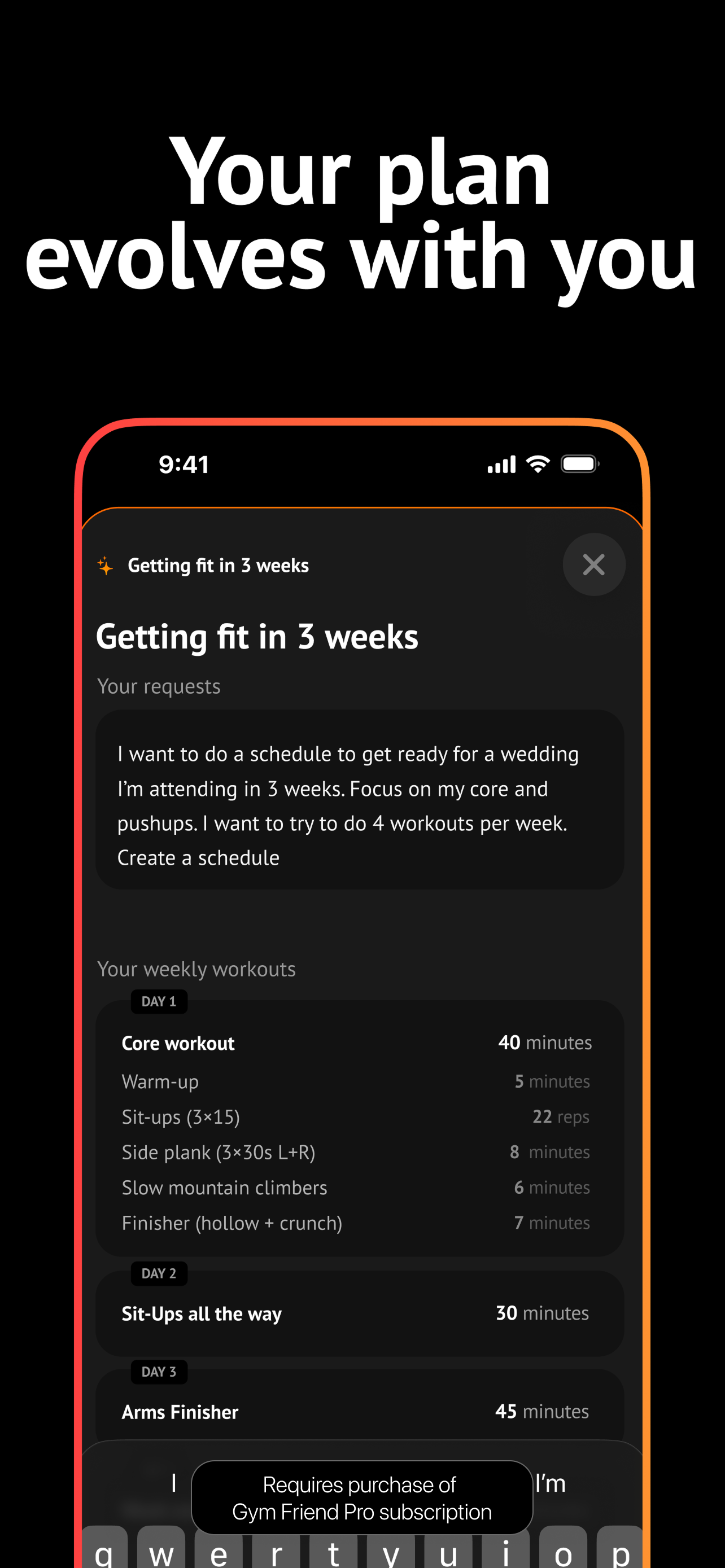
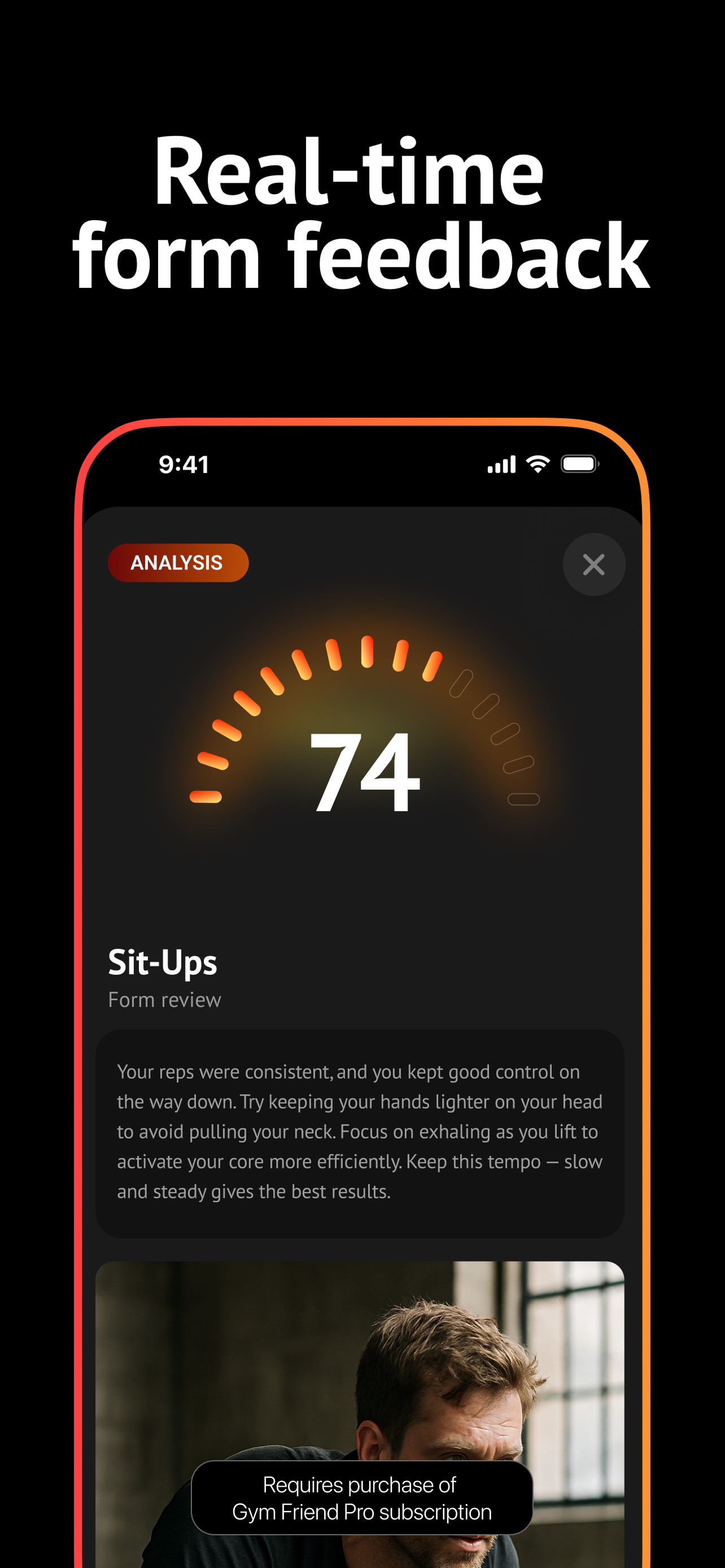
Edit your plan, track progress, and get realtime coaching


Frequently Asked Questions
Can I build muscle with just cables?
Yes. Cables provide constant tension that stimulates muscle growth effectively. Many bodybuilders use cables extensively for development.
Are cables better than free weights?
Neither is better—they're different tools. Cables offer constant tension and angle variety; free weights offer stability challenges and functional strength. Use both.
What weight should I use?
Start lighter than you think. Cable movements feel different than free weights. Use weight that allows controlled reps with good form.
Which attachments should I use?
Rope for triceps and face pulls, straight bar for curls and pushdowns, D-handle for rows and presses. Most gyms have variety.
Can cables help with injuries?
Often yes. The smooth resistance is gentler on joints. Cables work well for rehabilitation and training around injuries. Consult a professional for specific guidance.