Barbell Workout for Beginners
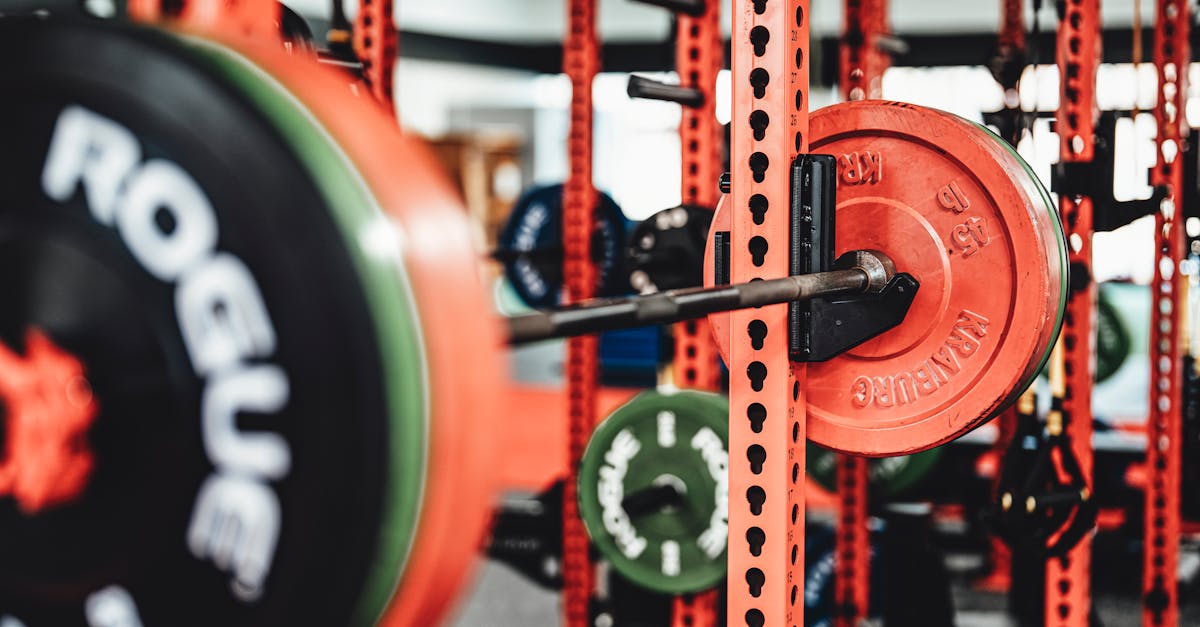
The barbell is the most effective tool for building strength. Exercises like squats, deadlifts, and presses load your entire body with heavy weight, creating the stimulus for significant strength and muscle gains. This program teaches beginners how to use the barbell safely and effectively, building the foundation for a lifetime of productive training.
Why Barbells Work
Barbells allow heavy loading that other equipment can't match. You can squat, deadlift, and press more weight with a barbell than with dumbbells or machines, which means more strength stimulus.
The major barbell exercises are compound movements that train multiple muscle groups simultaneously. A single squat works your quads, glutes, hamstrings, core, and back. This efficiency is unmatched.
Learning barbell technique takes time but pays dividends forever. Master these movements once, and you have tools that will build strength for decades.
Benefits of Barbell Training
Maximum Strength
Barbells allow heavier loading than any other tool.
Full Body Training
Compound movements train everything at once.
Efficient Workouts
Few exercises needed when each one works multiple muscles.
Measurable Progress
Easy to track—just add weight to the bar.
Functional Strength
Strength that transfers to real-world activities.
Bone Density
Heavy loading strengthens bones and connective tissue.
Program Overview
Who it's for: Beginners ready to learn barbell training
Don't have all this equipment? GymFriend can build you a custom program using whatever you have available.
Why These Exercises?
Each exercise in this program was selected for a specific reason. Here's why:
Barbell Full Squat
The king of exercises—builds legs, glutes, core, and back.
Barbell Deadlift
Posterior chain development—trains more muscle than any other lift.
Barbell Bench Press
Primary upper body push—chest, shoulders, and triceps.
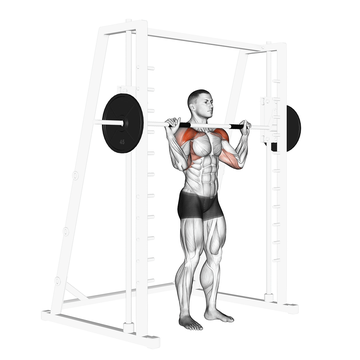
Smith Standing Military Press
Standing shoulder strength with core involvement.
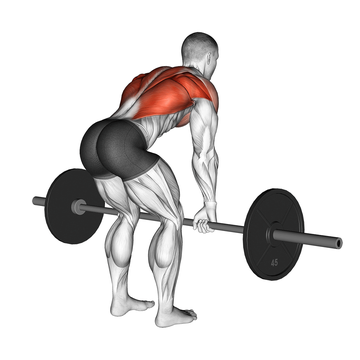
Barbell Bent Over Row
Back thickness and pulling strength.
Barbell Romanian Deadlift
Hamstring focus and hip hinge reinforcement.
The Complete 3 days Program
Follow this program consistently for best results. Start with weights that feel manageable and aim to increase gradually each week as you get stronger.
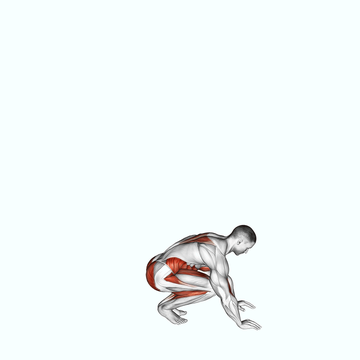
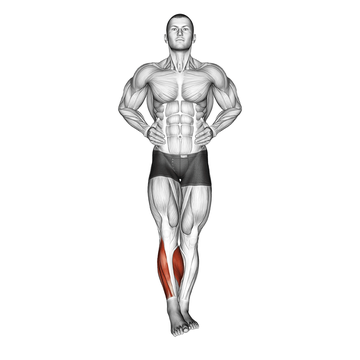
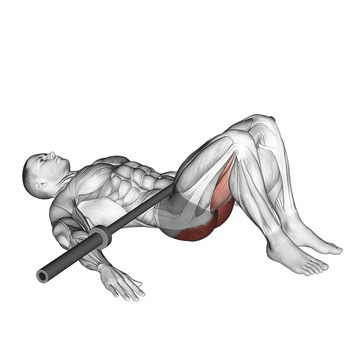
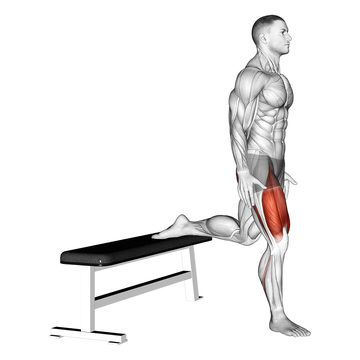
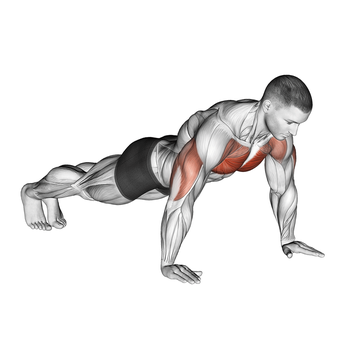
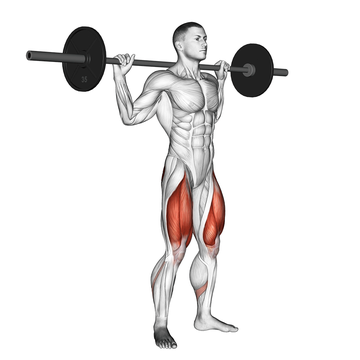
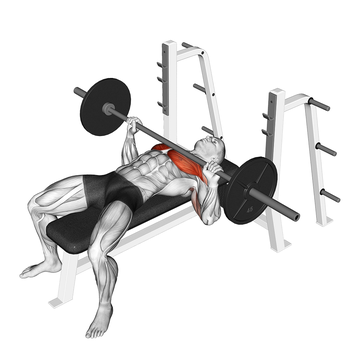
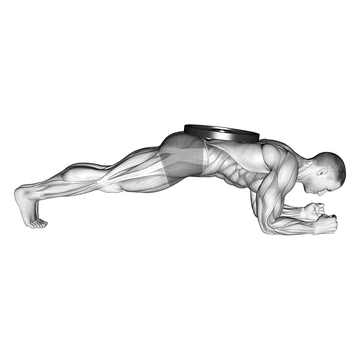
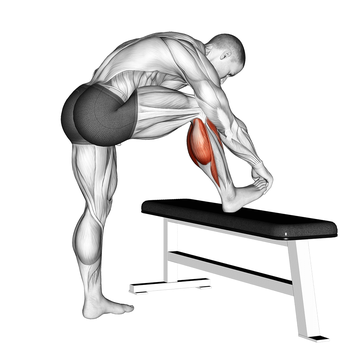
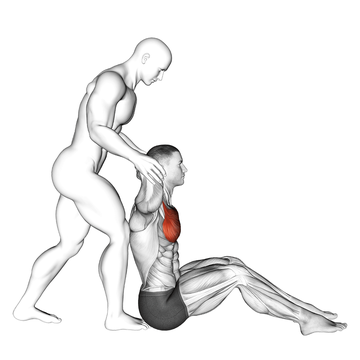
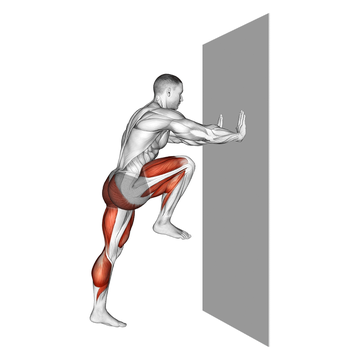
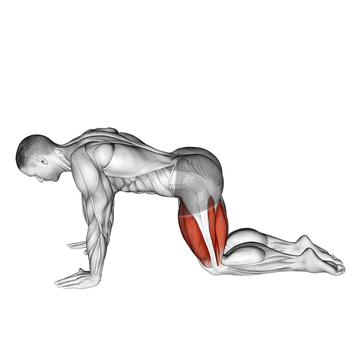
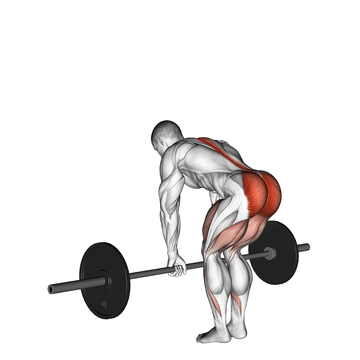
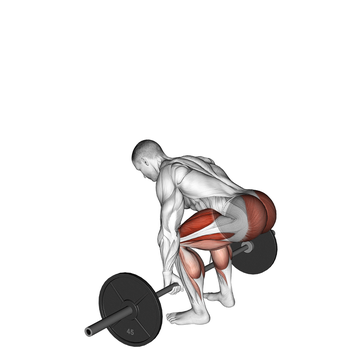
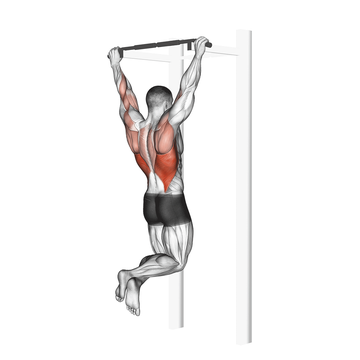
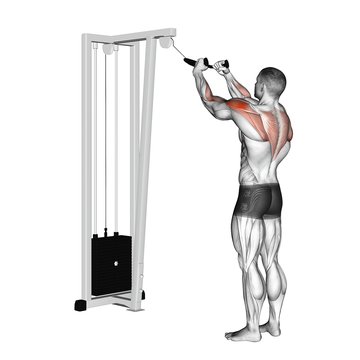
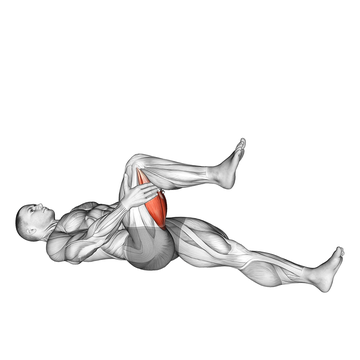
Want this program adjusted for your fitness level, goals, or schedule? GymFriend can create a personalized version just for you.
Starting Barbell Training
- Start with just the bar (45 lbs) to learn technique.
- Video yourself to check form, or work with a coach.
- Add weight in small increments—5 lbs per session is plenty.
- Warm up with lighter sets before working sets.
- Use a squat rack with safety bars for bench and squat.
- Don't ego lift. Light weight with perfect form beats heavy weight with bad form.
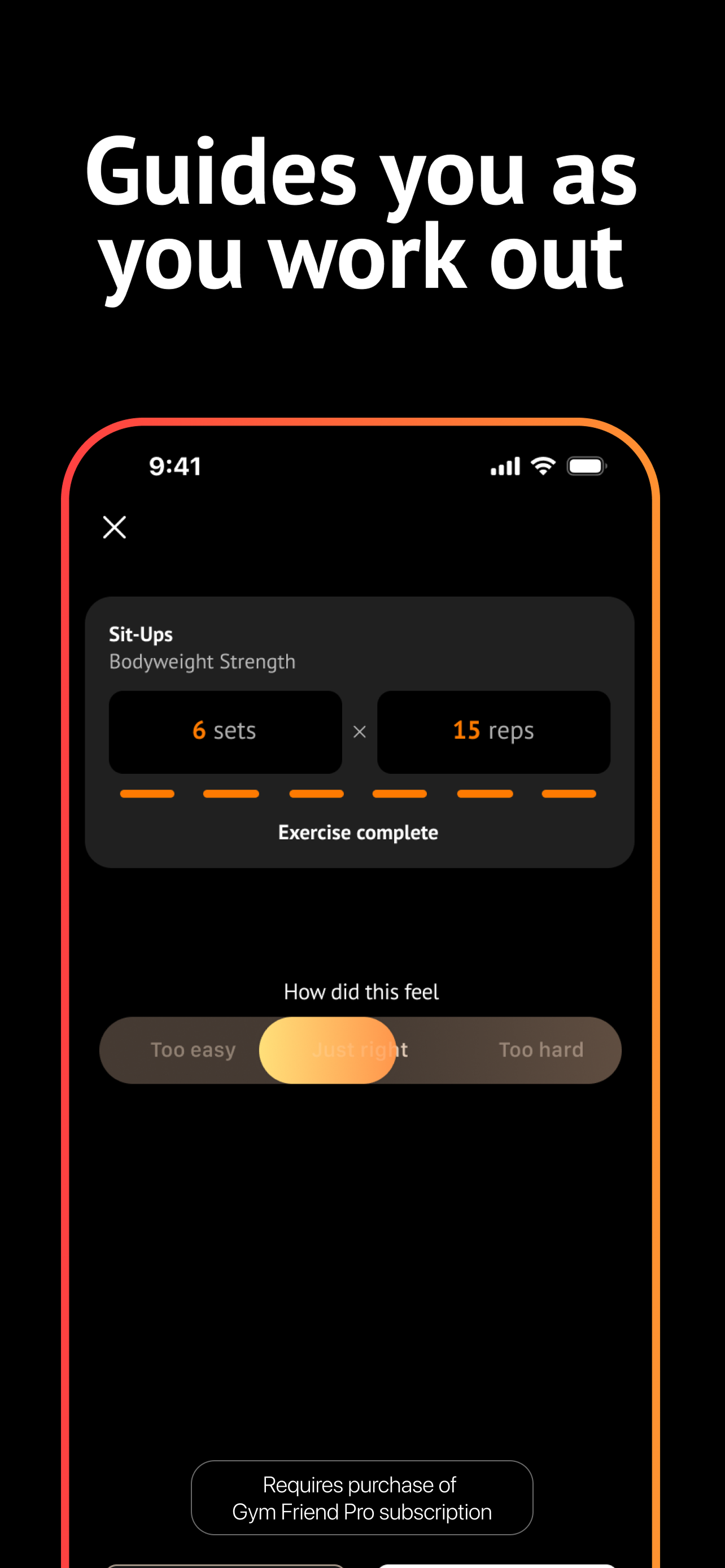
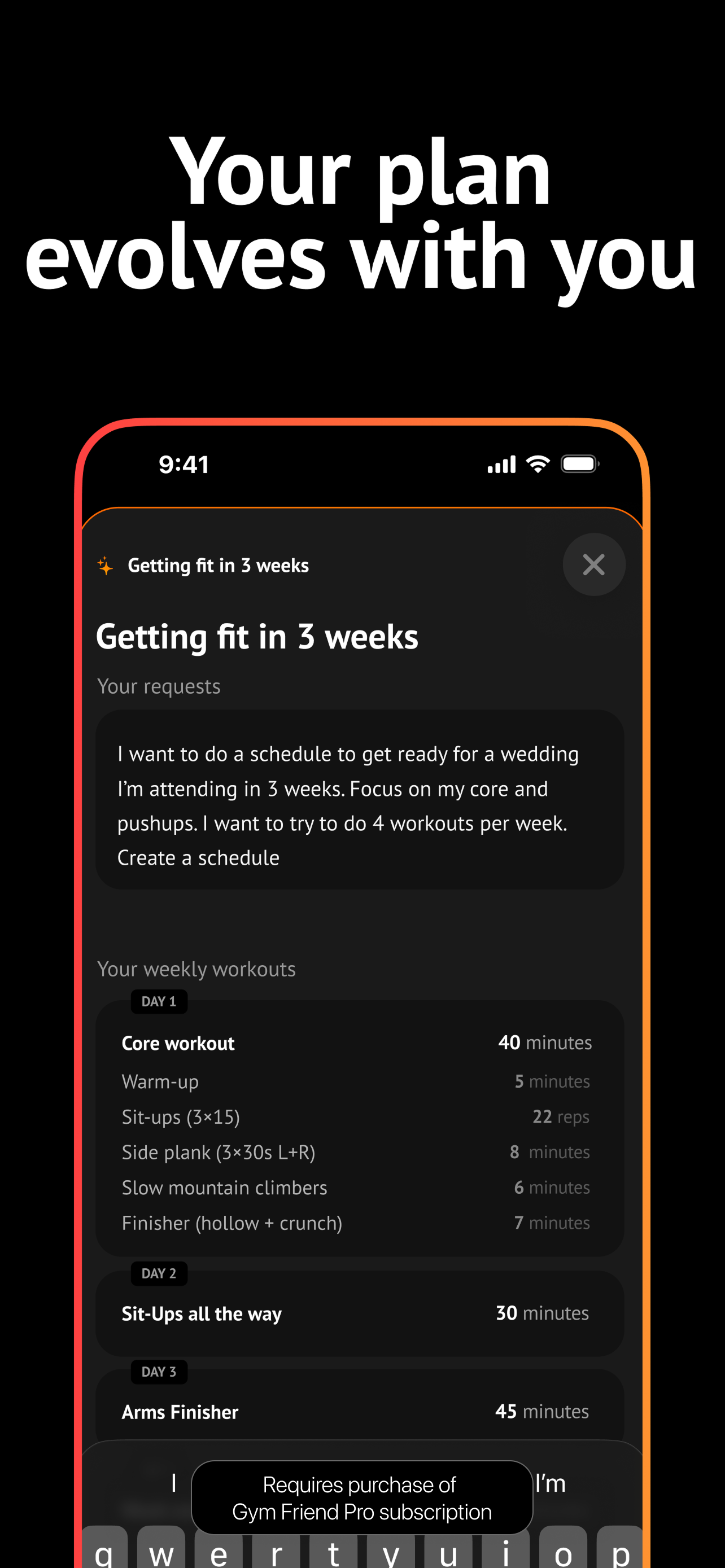
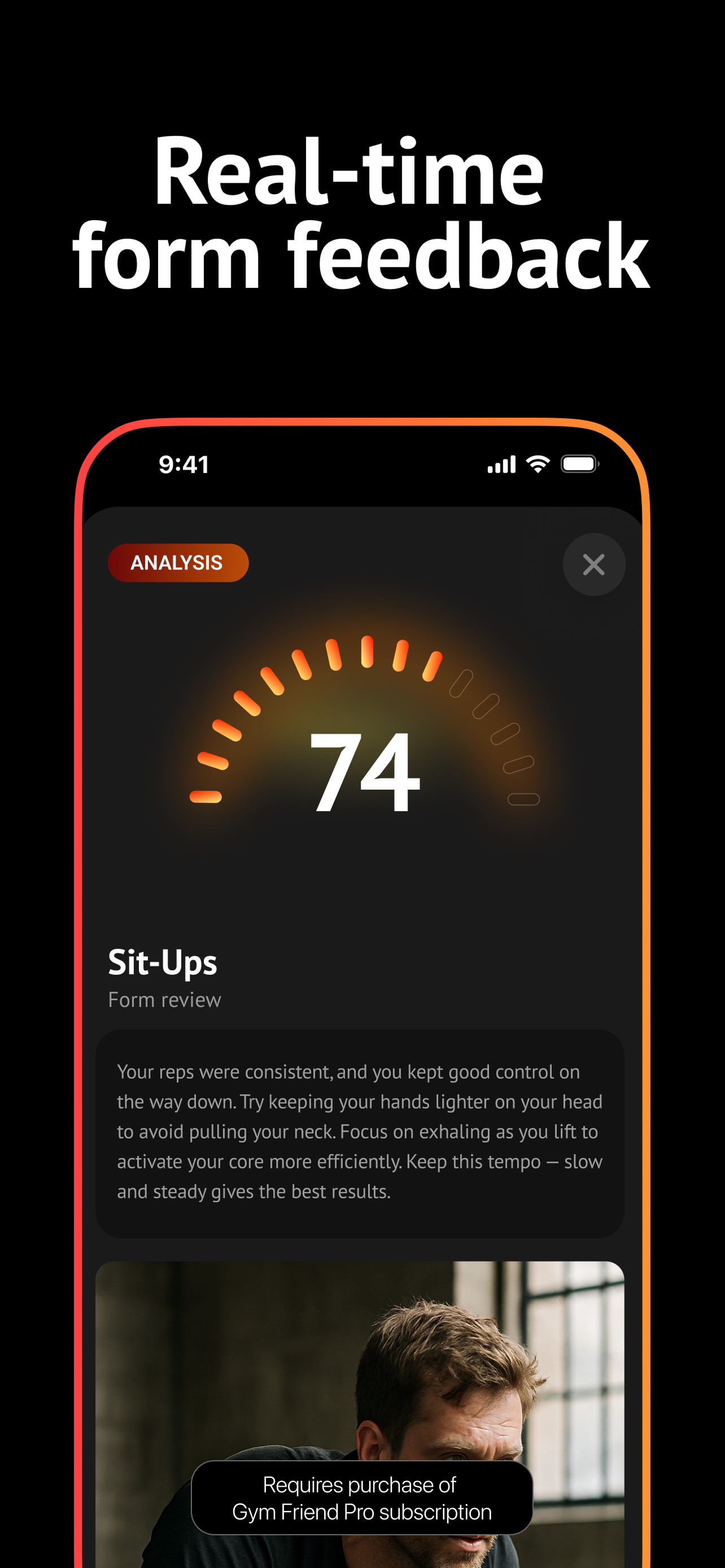
Edit your plan, track progress, and get realtime coaching

Frequently Asked Questions
What weight should I start with?
Start with just the empty bar (45 lbs) for all exercises. Focus on technique for the first few sessions before adding weight.
How much weight should I add each workout?
Add 5 lbs per session for upper body lifts, 5-10 lbs for lower body. Progress slows over time—this is normal.
Do I need a spotter?
Use a squat rack with safety bars for bench and squat, and you can train safely alone. Know how to bail safely from every lift.
Why does my back round on deadlifts?
Usually weak back muscles or too much weight. Reduce weight and focus on keeping your chest up. Build the movement pattern before adding load.
How long until I see results?
Strength gains come quickly—you'll lift significantly more within 4-8 weeks. Visible muscle changes take 2-3 months of consistent training.