Superset Workout

Supersets—pairing two exercises back-to-back with minimal rest—cut workout time while increasing intensity. Whether you're pairing opposing muscle groups or targeting the same muscles, supersets create efficient, challenging workouts that build muscle and burn calories.
Types of Supersets
Antagonist supersets pair opposing muscles—like chest and back or biceps and triceps. While one muscle works, the other rests. This lets you maintain quality on both exercises while cutting total time.
Agonist supersets pair exercises for the same muscle group—like bench press followed by push-ups. This creates intense fatigue and can stimulate more growth, though recovery needs are higher.
Upper/lower supersets alternate between upper and lower body. This maximizes recovery time for each area while keeping your workout moving.
Benefits of Superset Training
Time Efficiency
Cut workout time significantly while maintaining volume.
Increased Intensity
Minimal rest keeps heart rate elevated throughout.
Greater Calorie Burn
More work in less time means more calories burned.
Maintained Strength
Antagonist supersets allow full recovery for each muscle.
Balanced Development
Natural pairing ensures you train opposing muscles equally.
Metabolic Boost
Higher intensity creates lasting metabolic elevation.
Program Overview
Who it's for: Anyone wanting efficient, challenging workouts
Don't have all this equipment? GymFriend can build you a custom program using whatever you have available.
Why These Exercises?
Each exercise in this program was selected for a specific reason. Here's why:
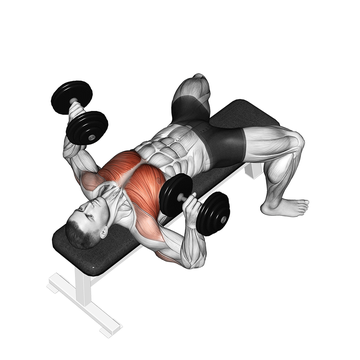
Dumbbell Bench Press
Pairs with rows for antagonist chest/back superset.
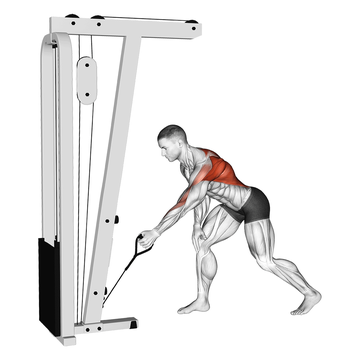
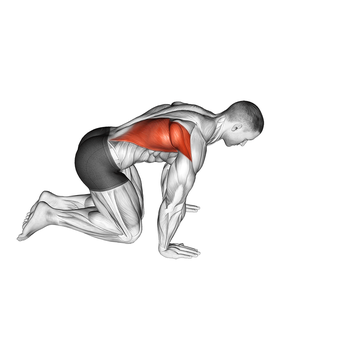
Cable One Arm Bent Over Row
Back work while chest recovers.
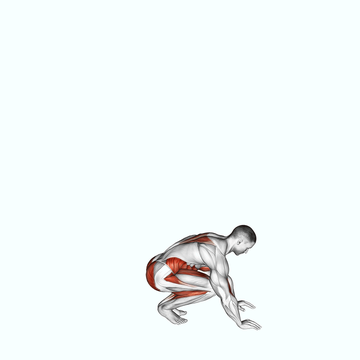
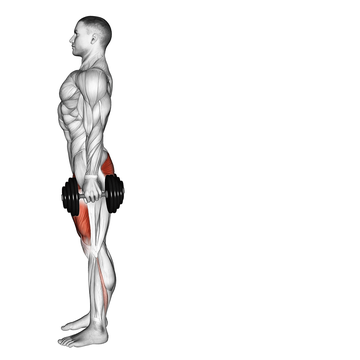
Dumbbell Goblet Squat
Lower body while upper body recovers.
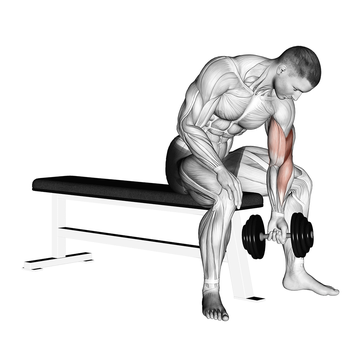
Dumbbell Concentration Curl
Biceps paired with tricep work.
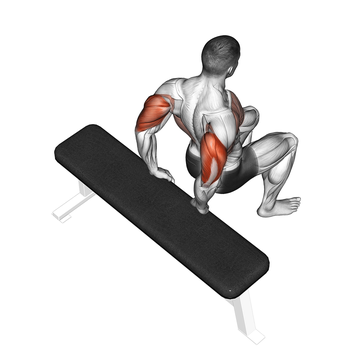
Bench Dip (knees Bent)
Triceps while biceps recover.
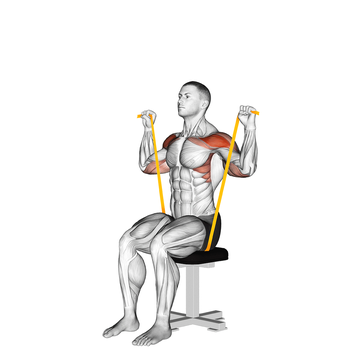
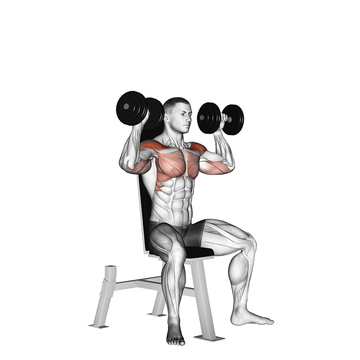
Dumbbell Lateral Raise
Shoulders paired with back work.
The Complete 3-4 days Program
Follow this program consistently for best results. Start with weights that feel manageable and aim to increase gradually each week as you get stronger.
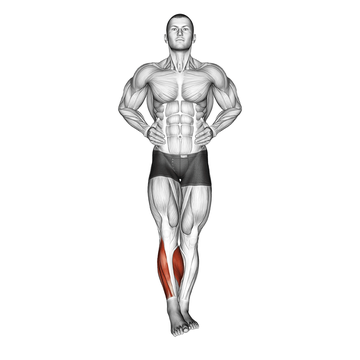
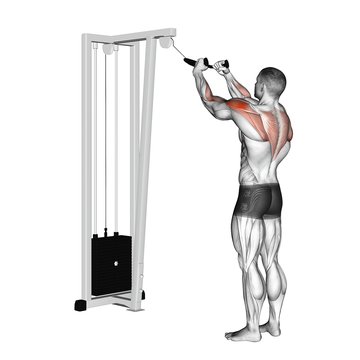
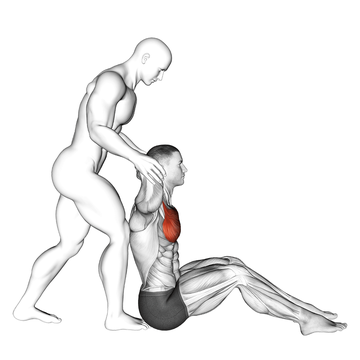
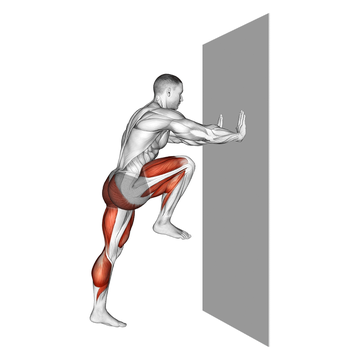
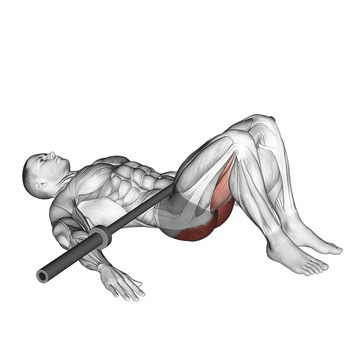
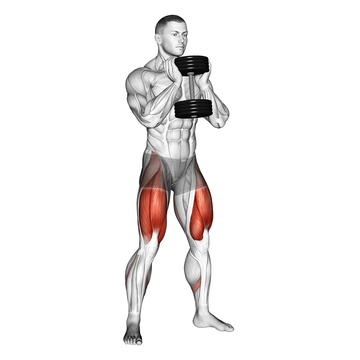
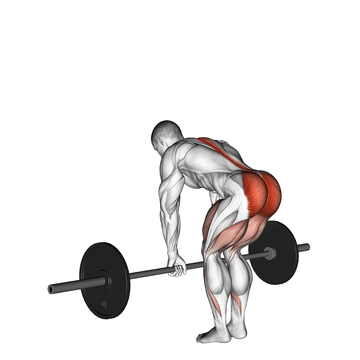
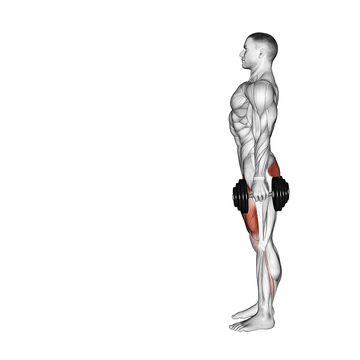
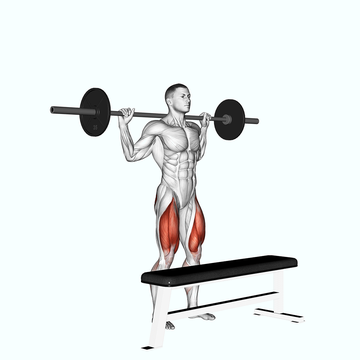
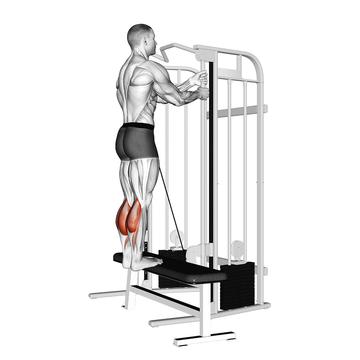
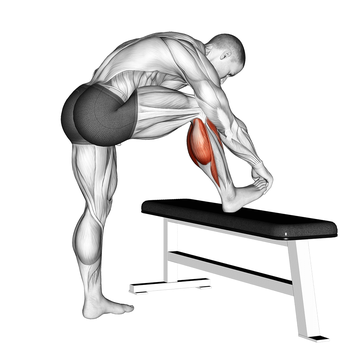
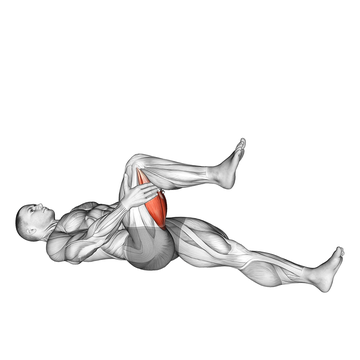
Want this program adjusted for your fitness level, goals, or schedule? GymFriend can create a personalized version just for you.
Effective Superset Training
- Set up both exercises before starting for quick transitions.
- Start with antagonist supersets—they're most sustainable.
- Take full rest after completing a superset pair, not between.
- Maintain form even as fatigue increases.
- Track weights to ensure you're still progressing.
- Don't superset every exercise—compound movements may need full rest.
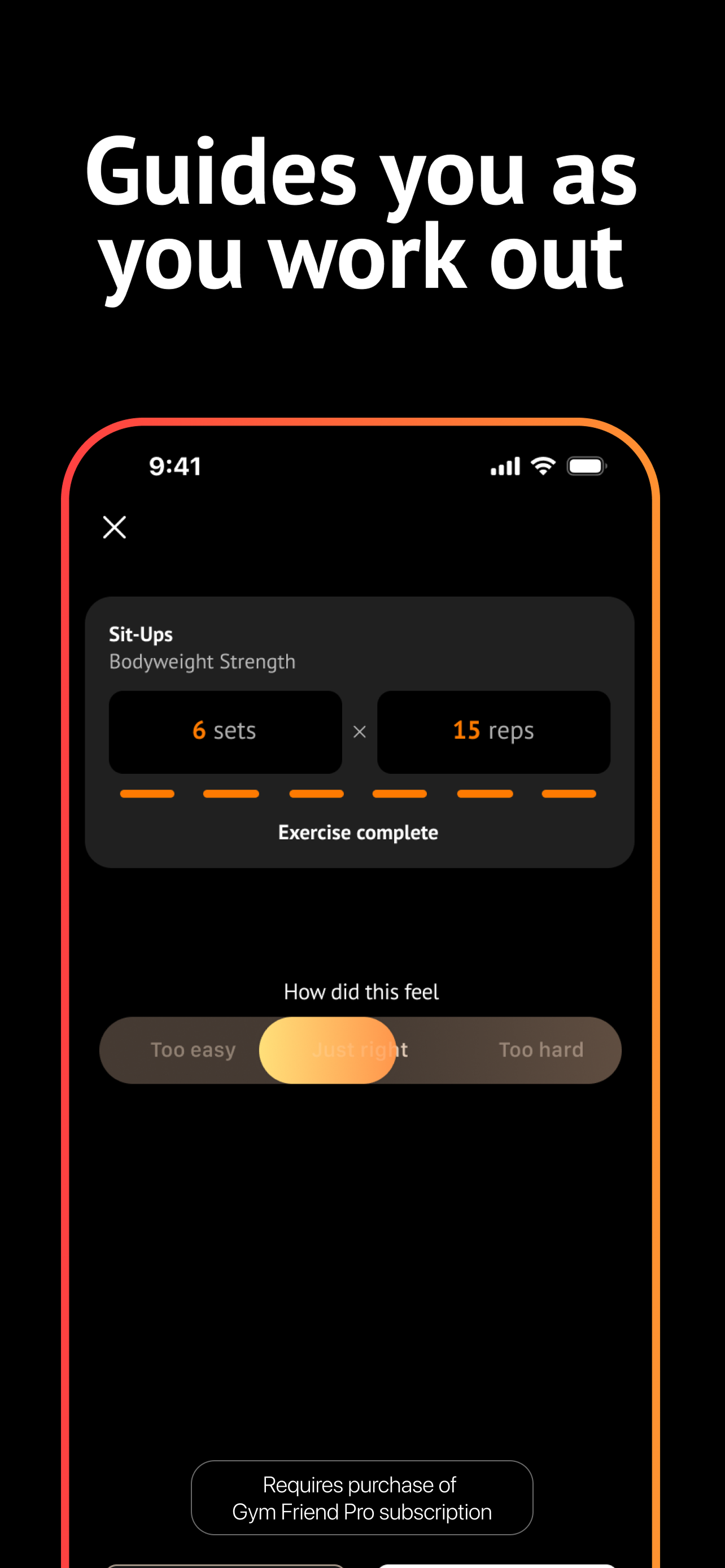
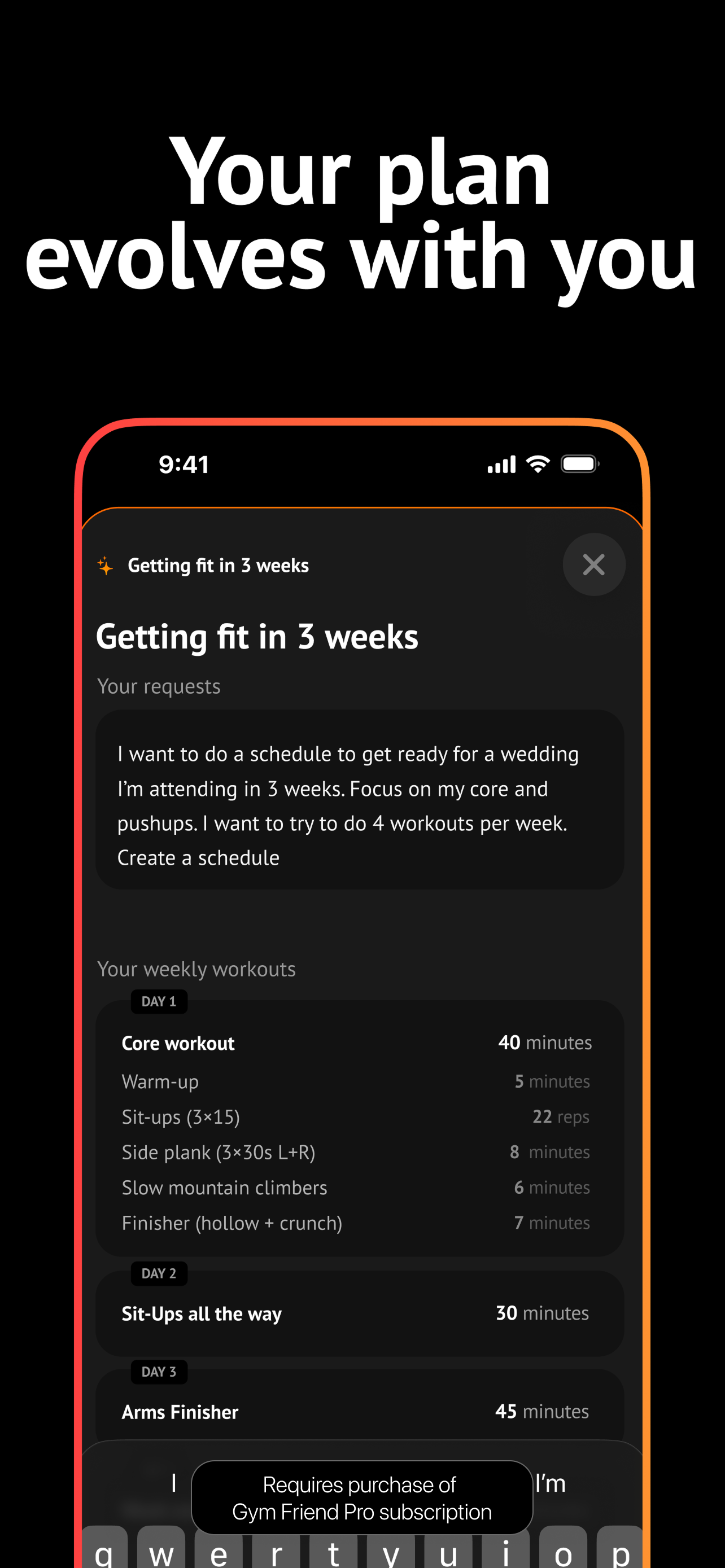
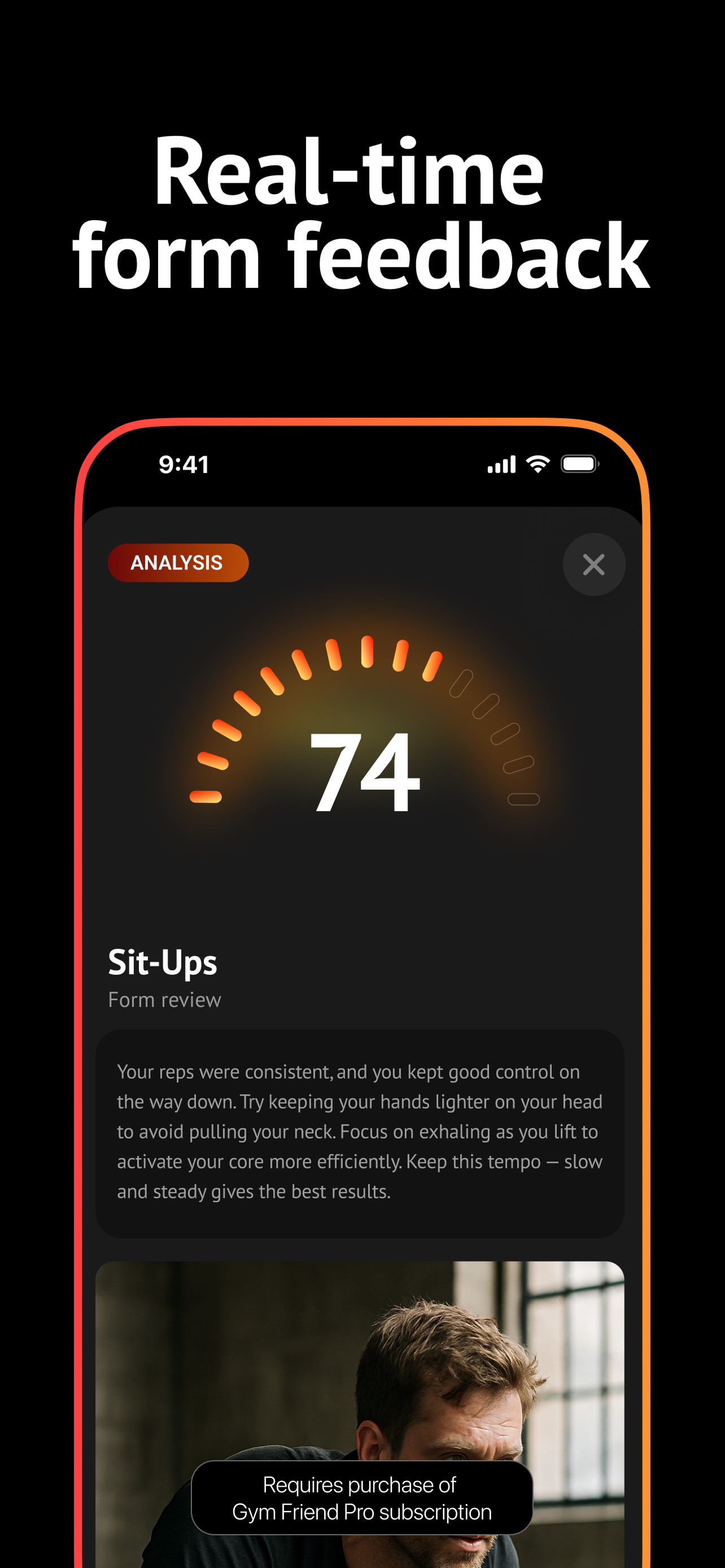
Edit your plan, track progress, and get realtime coaching


Frequently Asked Questions
Will I get weaker using supersets?
With antagonist supersets, no—research shows equal or better strength gains. Same-muscle supersets may reduce weight used, but total stimulus remains high.
How much rest between supersets?
Minimal rest (15-30 seconds) between exercises in the pair, then 60-90 seconds before the next round.
Can I superset any exercises?
Best pairings are antagonist muscles (push/pull, bicep/tricep) or upper/lower. Avoid pairing exercises that both require the same stabilizers.
Are supersets good for building muscle?
Yes. The increased metabolic stress and time under tension can enhance muscle growth, especially if training volume is maintained.
How do I know which exercises to pair?
Classic pairs: chest/back, biceps/triceps, shoulders/back, quads/hamstrings. Or pair upper and lower body for maximum recovery.