Strength Training for Bone Health
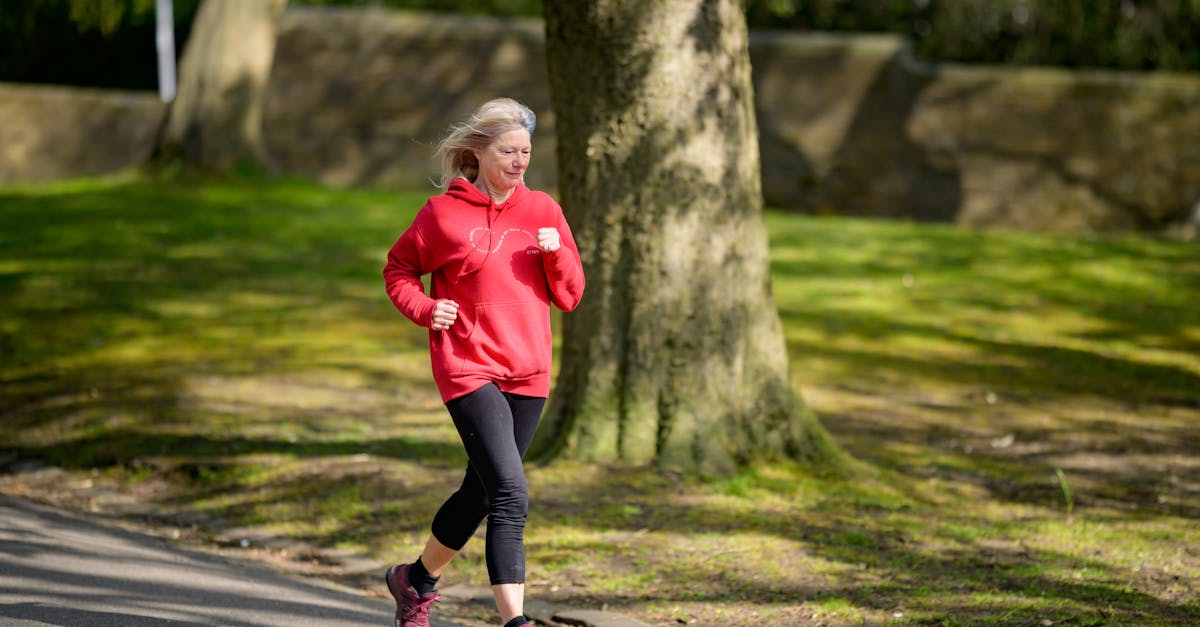
Your bones need stress to stay strong—without it, they weaken. Resistance training provides exactly the stress bones need to maintain and build density. This is especially important as we age, when bone loss accelerates and fracture risk increases. This program uses weight-bearing exercises specifically chosen to stimulate bone growth and maintain skeletal health.
How Exercise Builds Bones
Bones adapt to mechanical stress through a process called remodeling. When muscles pull on bones during exercise, it triggers bone-building cells (osteoblasts) to add new bone tissue. Without this stress, bones weaken—which is why astronauts lose bone mass in space.
Weight-bearing and resistance exercises are most effective. Walking is good; lifting weights is better. The higher the forces your bones experience, the stronger the signal to build. Compound movements that load the spine and hips are particularly valuable.
It's never too late to start—but earlier is better. Bone density can be improved at any age, though building bone when young creates a larger "bone bank" to draw from later. Adults over 30 should prioritize maintaining the bone they have.
Benefits for Bone Health
Increased Bone Density
Resistance training stimulates bone-building cells to strengthen bones.
Osteoporosis Prevention
Maintaining bone density prevents the fragile bones of osteoporosis.
Reduced Fracture Risk
Stronger bones and better balance dramatically reduce fall injuries.
Improved Balance
Strength training improves the balance that prevents falls.
Better Posture
Strong spinal muscles maintain upright posture that protects vertebrae.
Independence
Strong bones support the active lifestyle that maintains quality of life.
Program Overview
Who it's for: Anyone wanting to build or maintain bone health, especially ages 40+
Don't have all this equipment? GymFriend can build you a custom program using whatever you have available.
Why These Exercises?
Each exercise in this program was selected for a specific reason. Here's why:
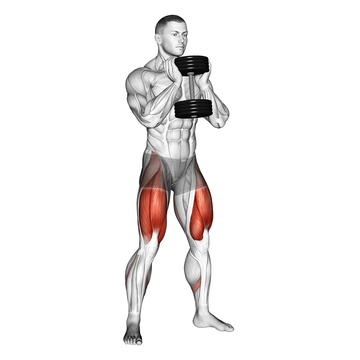
Dumbbell Goblet Squat
Loads the spine and hips—major sites of bone loss and fracture.
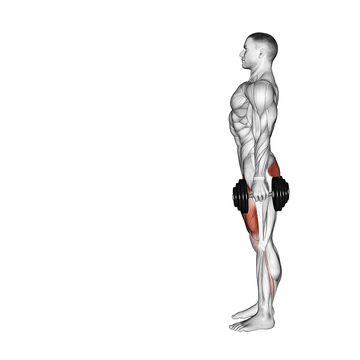
Dumbbell Lunge
Hip and leg loading with balance challenge.
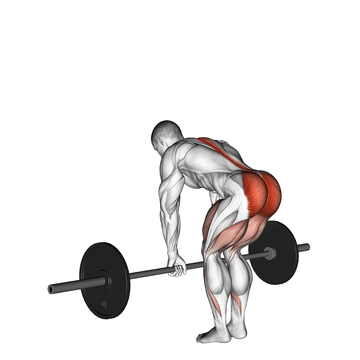
Barbell Deadlift
Spinal loading that stimulates vertebral bone density.
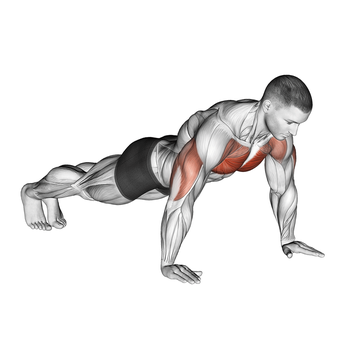
Push-up
Upper body loading for arm and wrist bone health.
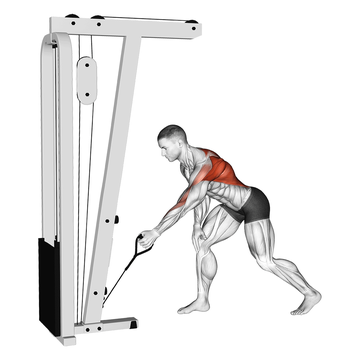
Cable One Arm Bent Over Row
Back strength and spinal loading.
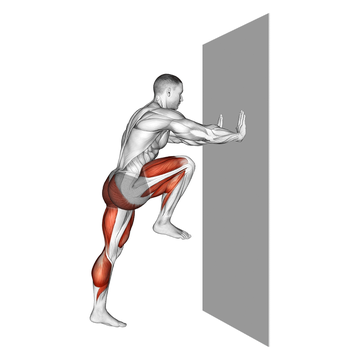
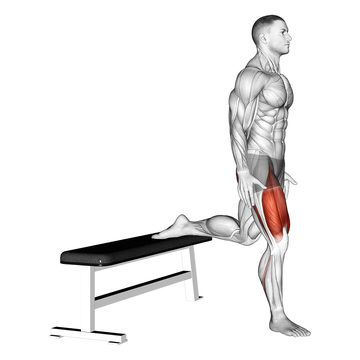
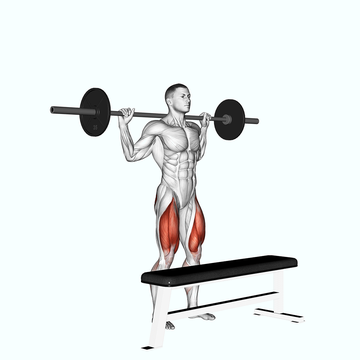
Barbell Step-up
Weight-bearing leg work with impact.
The Complete 2-3 days Program
Follow this program consistently for best results. Start with weights that feel manageable and aim to increase gradually each week as you get stronger.
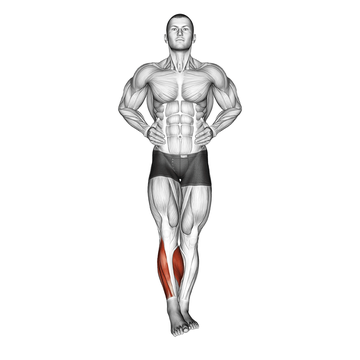
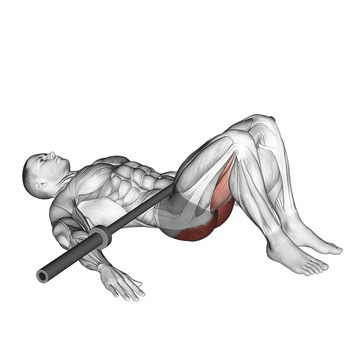
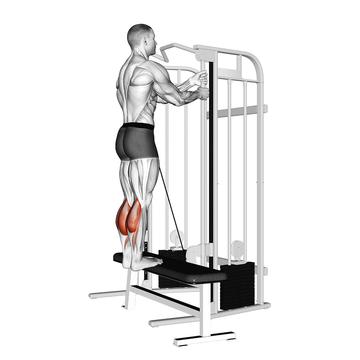
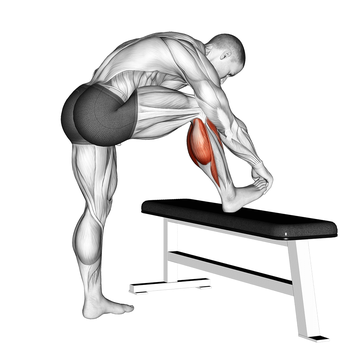
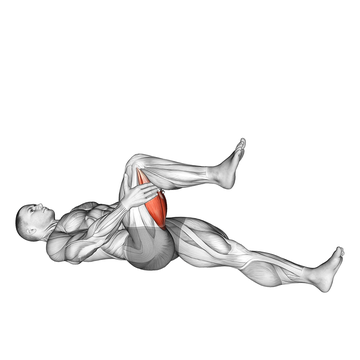
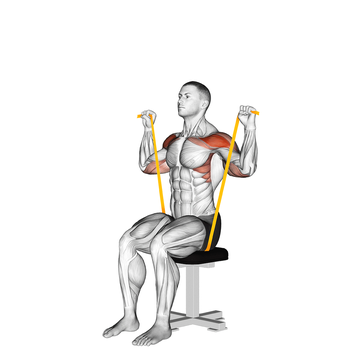
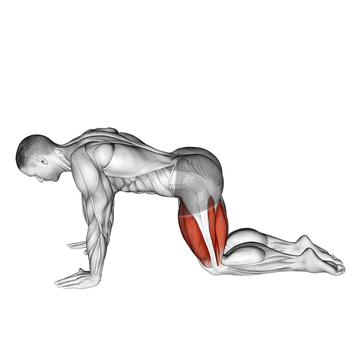
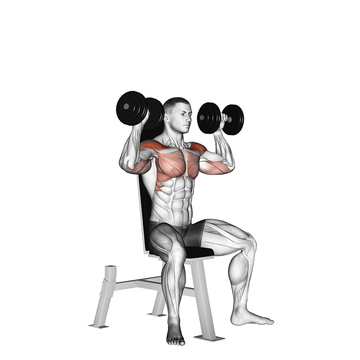
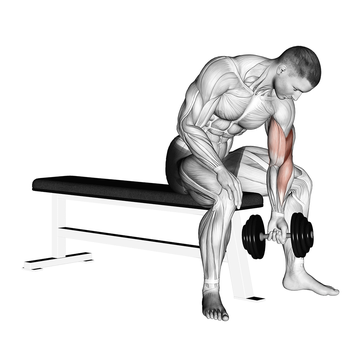
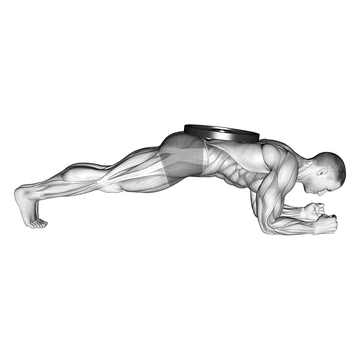
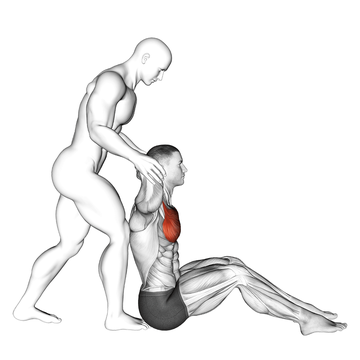
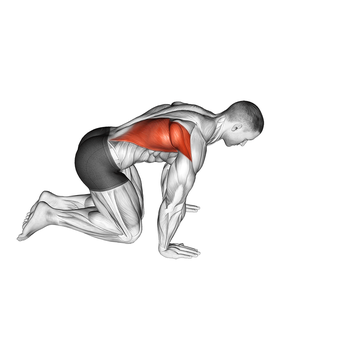
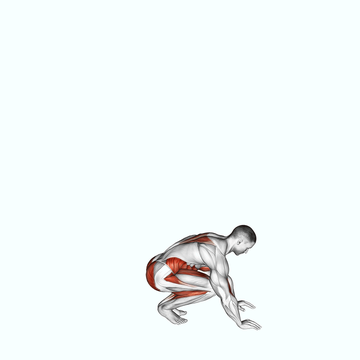
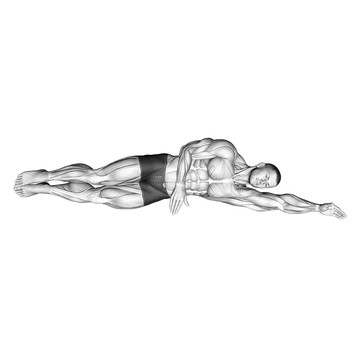
Want this program adjusted for your fitness level, goals, or schedule? GymFriend can create a personalized version just for you.
Building Bone Health
- Prioritize compound exercises that load multiple bones simultaneously.
- Progressive overload matters—gradually increase weight to continue adaptation.
- Include exercises for hips, spine, and wrists—common fracture sites.
- Balance training is essential too—preventing falls prevents fractures.
- Get adequate calcium (1000-1200mg) and vitamin D for bone building materials.
- If you have osteoporosis, consult a professional before starting—some exercises need modification.
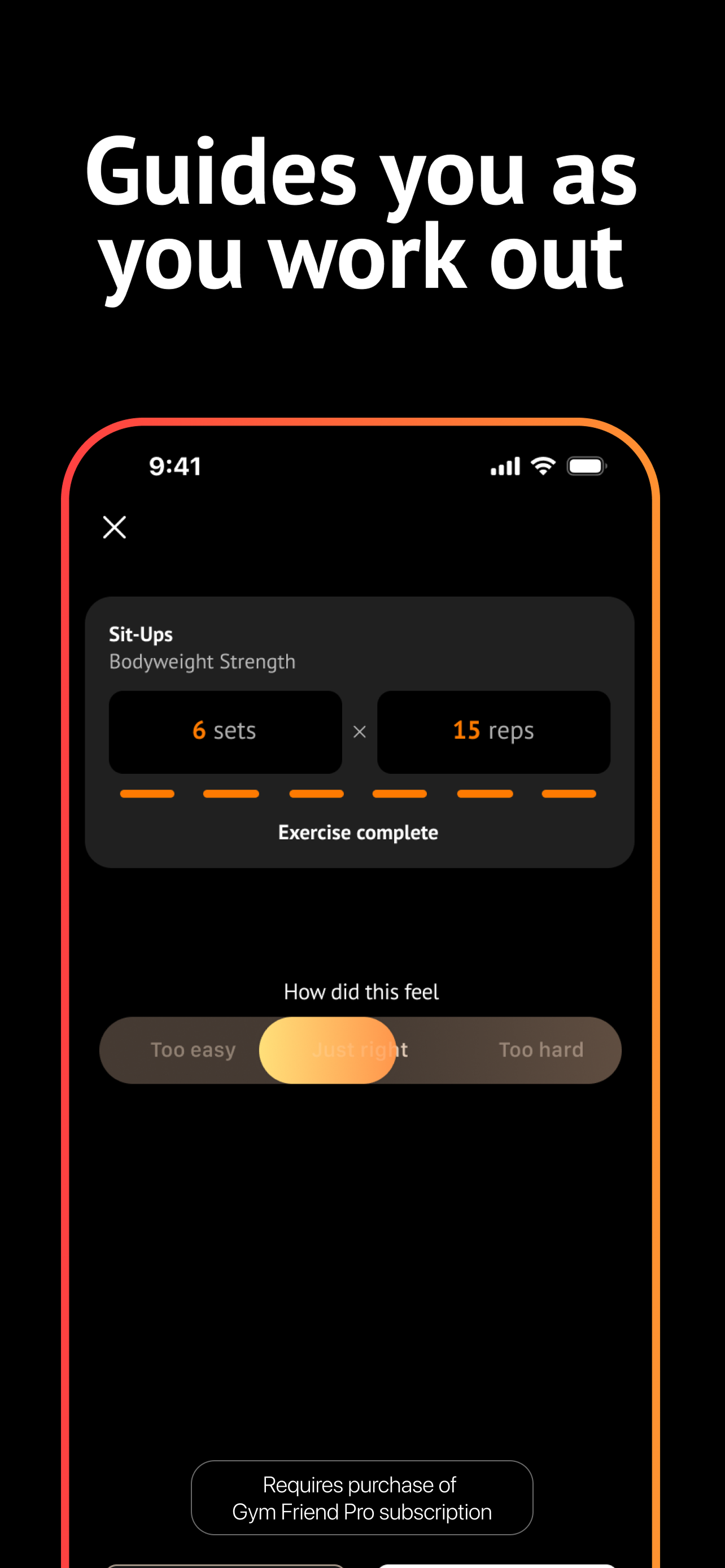
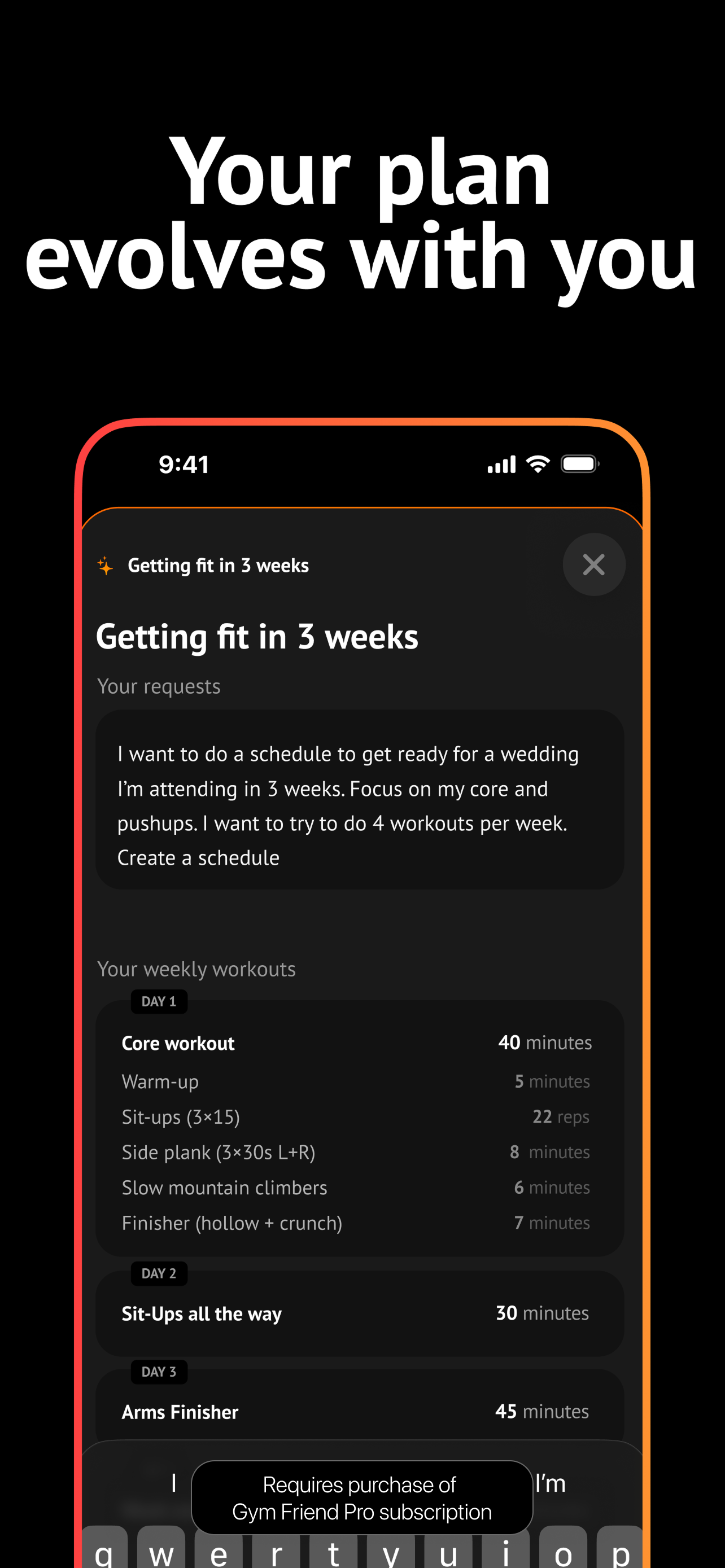
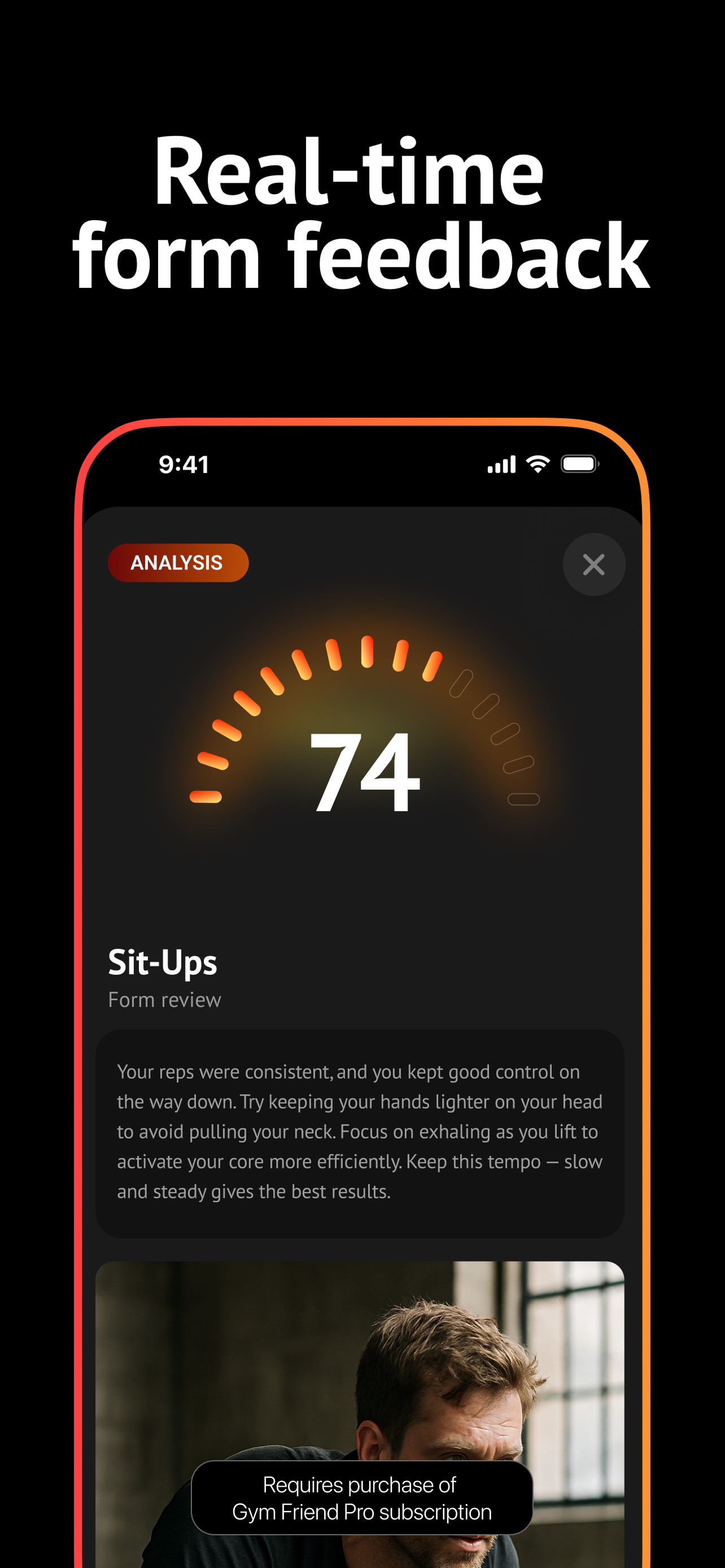
Edit your plan, track progress, and get realtime coaching
Frequently Asked Questions
Can I rebuild bone density?
Yes, to some extent. Research shows resistance training can increase bone density 1-3% per year. More importantly, it prevents further loss and reduces fracture risk.
Is walking enough for bone health?
Walking helps but isn't optimal. Resistance training provides stronger stimulus for bone building. Ideally do both.
What if I already have osteoporosis?
Exercise is still beneficial and important. However, some exercises need modification to avoid fracture risk. Work with a healthcare provider to design a safe program.
How heavy should I lift?
Heavy enough to challenge you—typically 8-12 reps where the last few are difficult. Light weights with many reps don't provide sufficient bone-building stimulus.
At what age should I start?
Any age benefits. Peak bone mass is reached around age 30—build as much as possible before then. After 30, focus on maintenance. It's never too late to start.