Push Pull Legs Workout
Push Pull Legs (PPL) is one of the most effective training splits for building muscle and strength. By organizing exercises into pushing movements (chest, shoulders, triceps), pulling movements (back, biceps), and leg work, you create a logical structure that allows high frequency training with adequate recovery. This program shows you how to implement PPL for maximum results.
Understanding the PPL Split
PPL groups muscles by their function rather than location. Push days train muscles that push weight away from your body. Pull days train muscles that pull weight toward you. Leg days cover your entire lower body. This organization prevents overlap and allows muscles to recover while others work.
The beauty of PPL is flexibility. Run it 3 days per week (Push, Pull, Legs) or 6 days (each workout twice). The 6-day version hits each muscle twice weekly—optimal for muscle growth. The 3-day version works for those with less time.
PPL naturally balances pushing and pulling volume, which many programs fail to do. This balance is critical for shoulder health and postural development.
Benefits of Push Pull Legs
Optimal Frequency
Hit each muscle group 2x per week with the 6-day version for maximum growth.
Logical Organization
Muscles are grouped by function, preventing overlap and overtraining.
Balanced Development
Equal emphasis on pushing and pulling prevents imbalances.
Flexibility
Run 3 or 6 days per week based on your schedule.
Recovery
While push muscles work, pull muscles recover and vice versa.
Progressive Overload
Easy to track and progress compound movements.
Program Overview
Who it's for: Intermediate to advanced lifters seeking muscle and strength
Don't have all this equipment? GymFriend can build you a custom program using whatever you have available.
Why These Exercises?
Each exercise in this program was selected for a specific reason. Here's why:
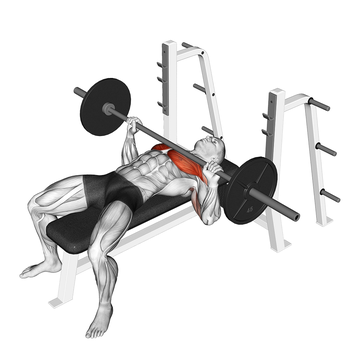
Barbell Bench Press
Primary horizontal push. Chest, front delts, and triceps.
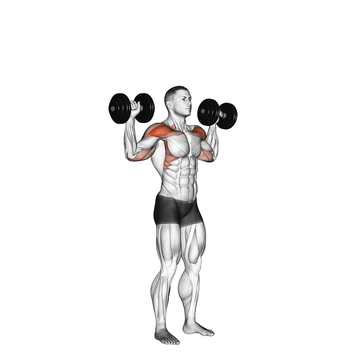
Dumbbell Standing Overhead Press
Primary vertical push. Shoulders and triceps.
Barbell Bent Over Row
Primary horizontal pull. Back thickness and biceps.
Pull-up
Primary vertical pull. Lat width and biceps.
Barbell Full Squat
Primary leg movement. Quads, glutes, and overall leg development.
Barbell Romanian Deadlift
Posterior chain emphasis on leg day. Hamstrings and glutes.
The Complete 3-6 days Program
Follow this program consistently for best results. Start with weights that feel manageable and aim to increase gradually each week as you get stronger.
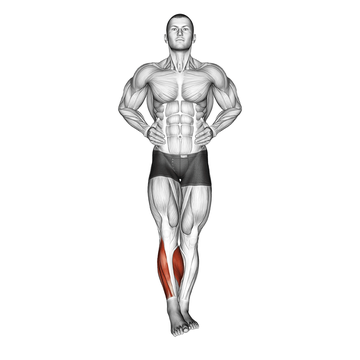
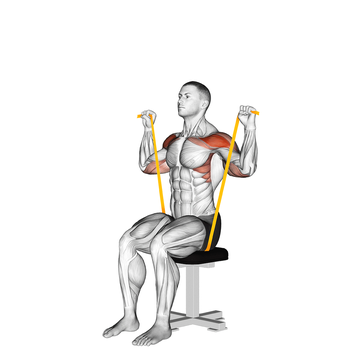
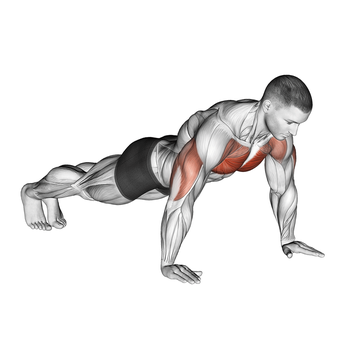
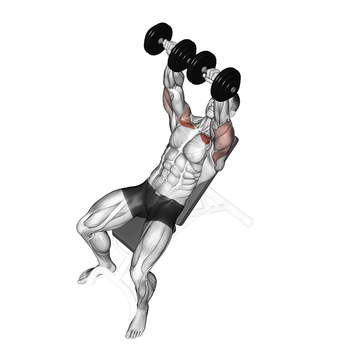
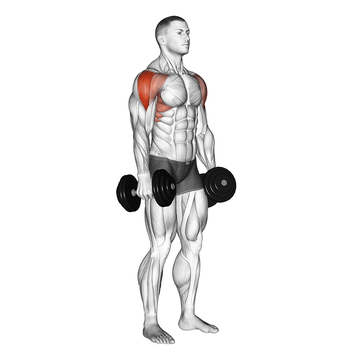
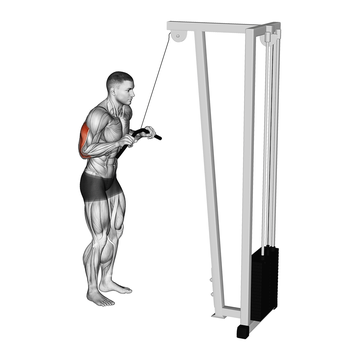
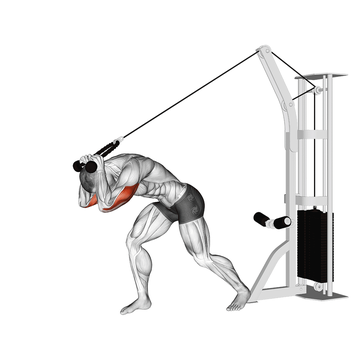
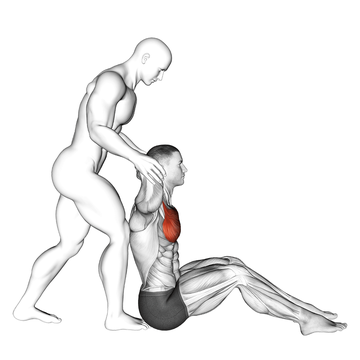
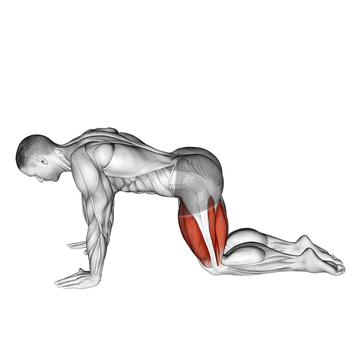
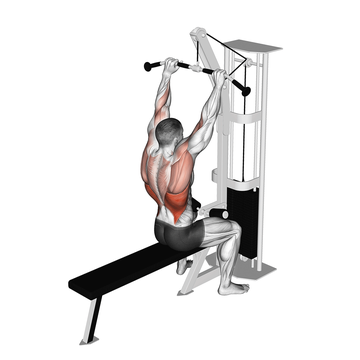
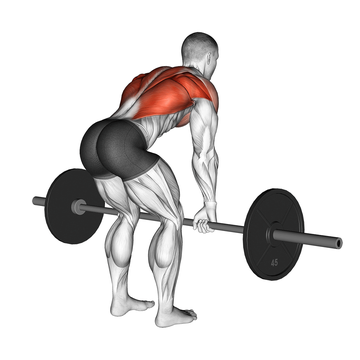
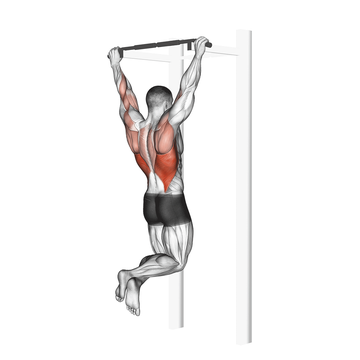
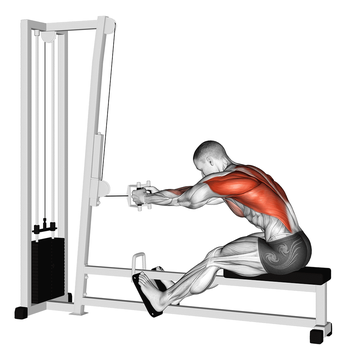
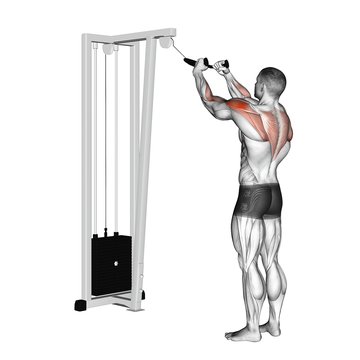
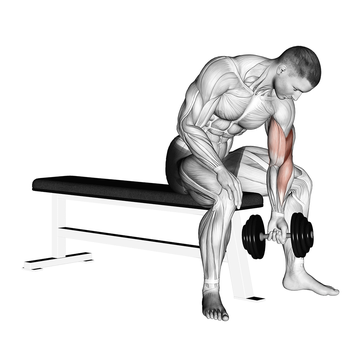

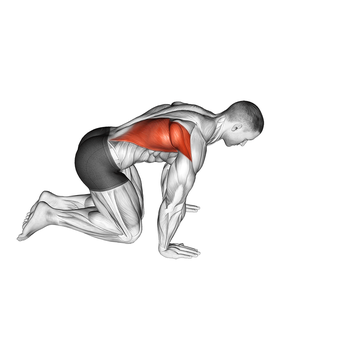
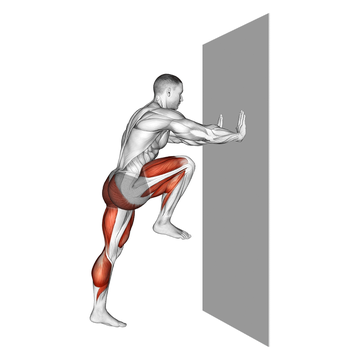
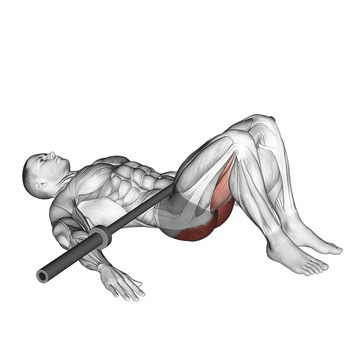
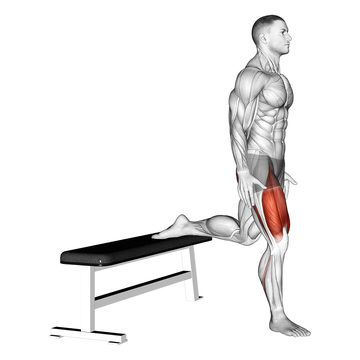
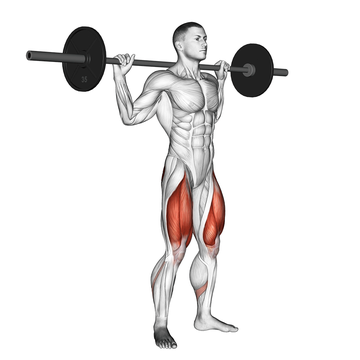
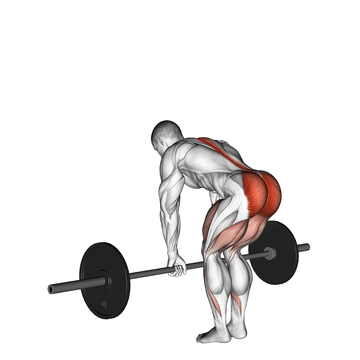
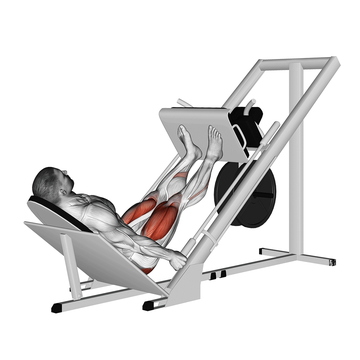
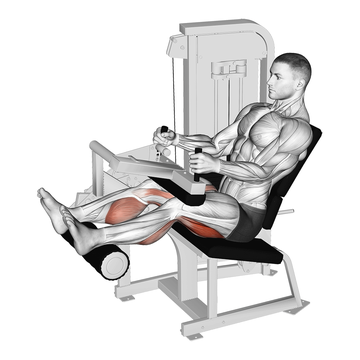
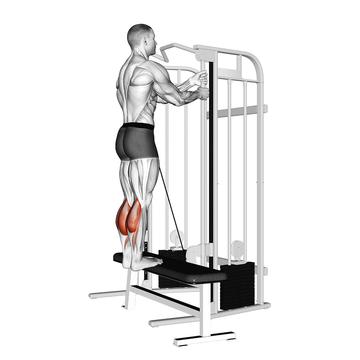
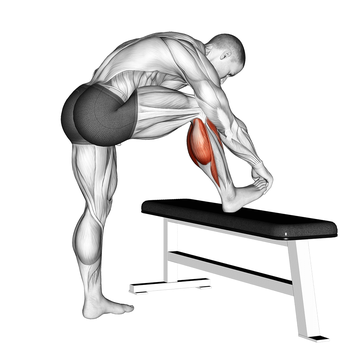
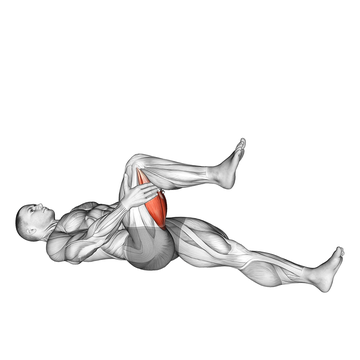
Want this program adjusted for your fitness level, goals, or schedule? GymFriend can create a personalized version just for you.
Implementing PPL
- Start with the 3-day version if new to this split. Progress to 6 days when recovered.
- Prioritize compound movements at the start of each session.
- Keep pushing and pulling volume roughly equal over the week.
- On the 6-day version, vary rep ranges between the two sessions (heavier/lighter).
- Deload every 4-6 weeks to prevent accumulated fatigue.
- Track your main lifts and aim for progressive overload.
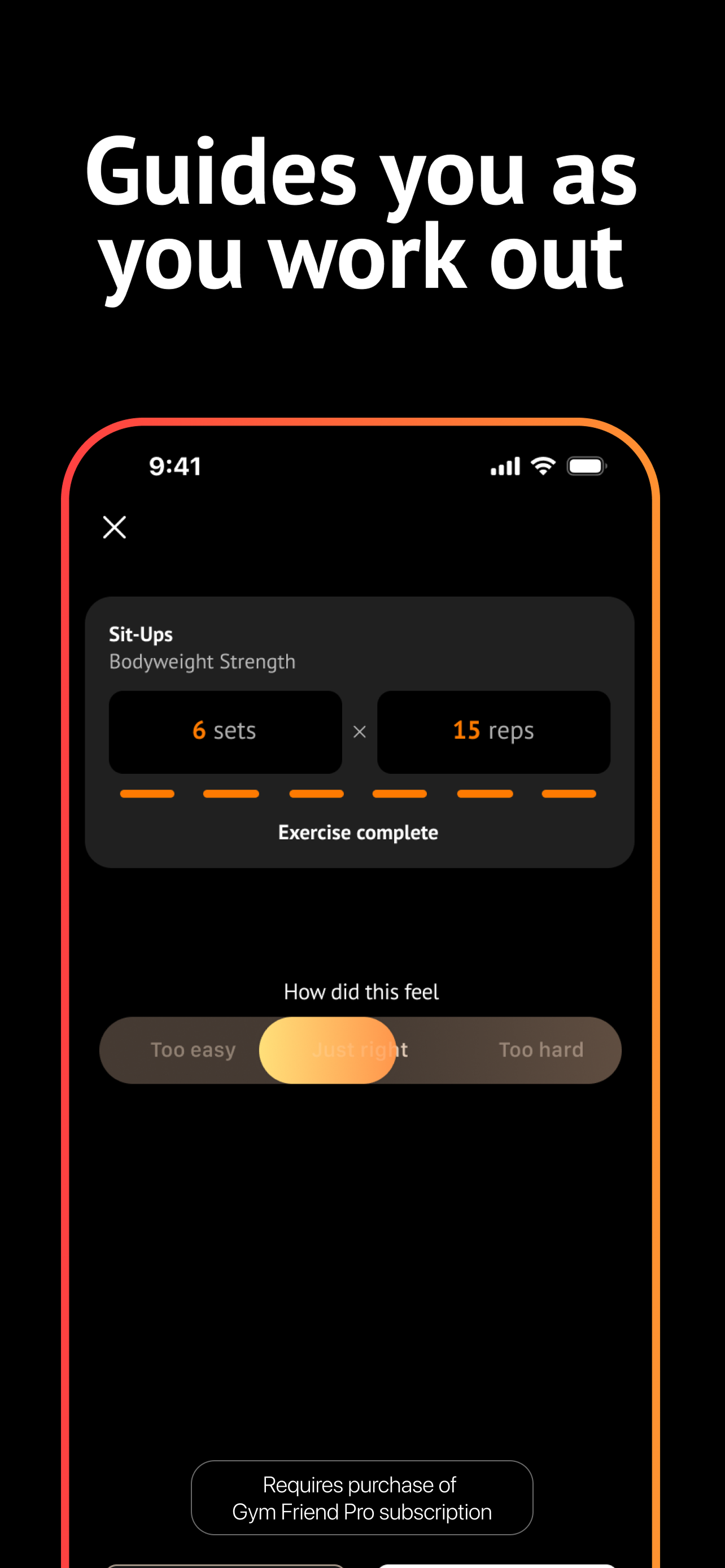
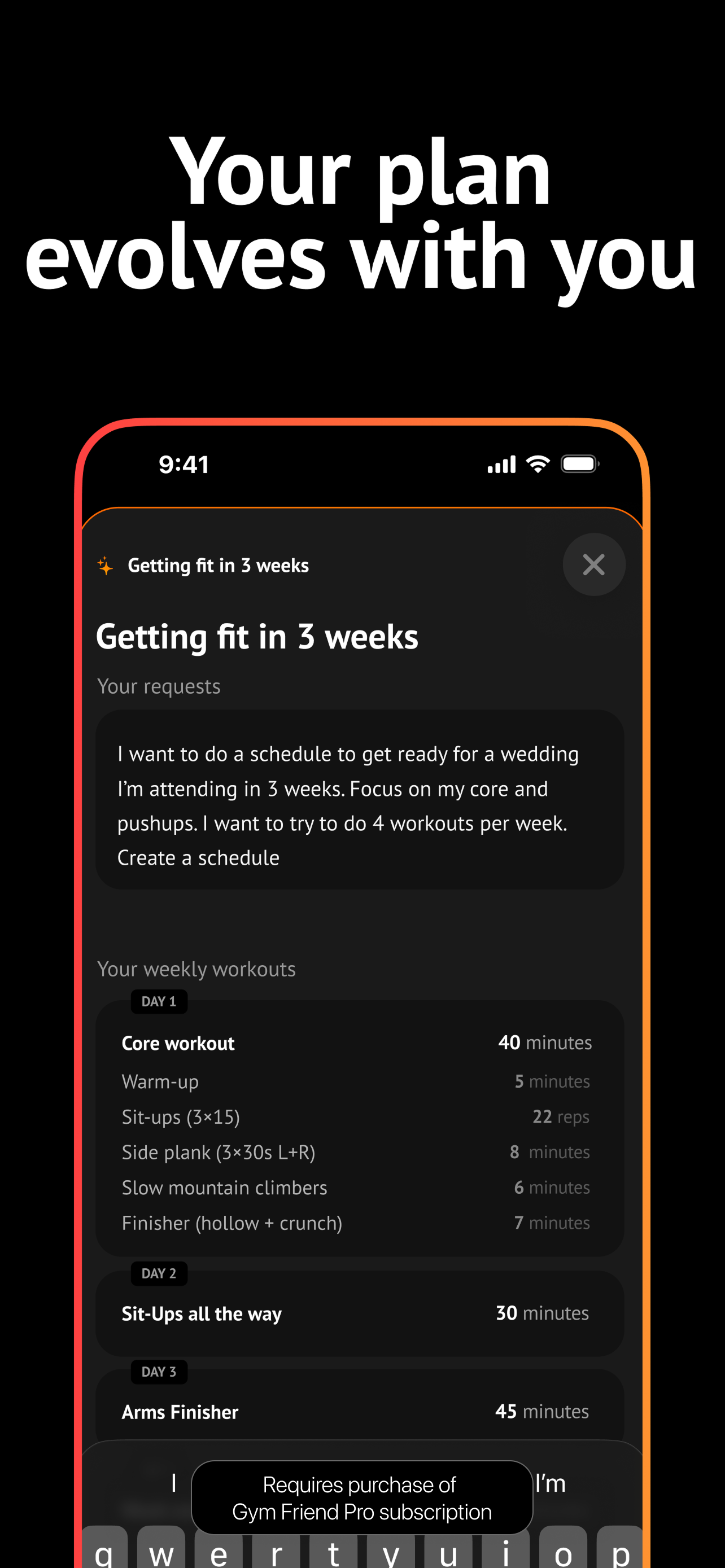
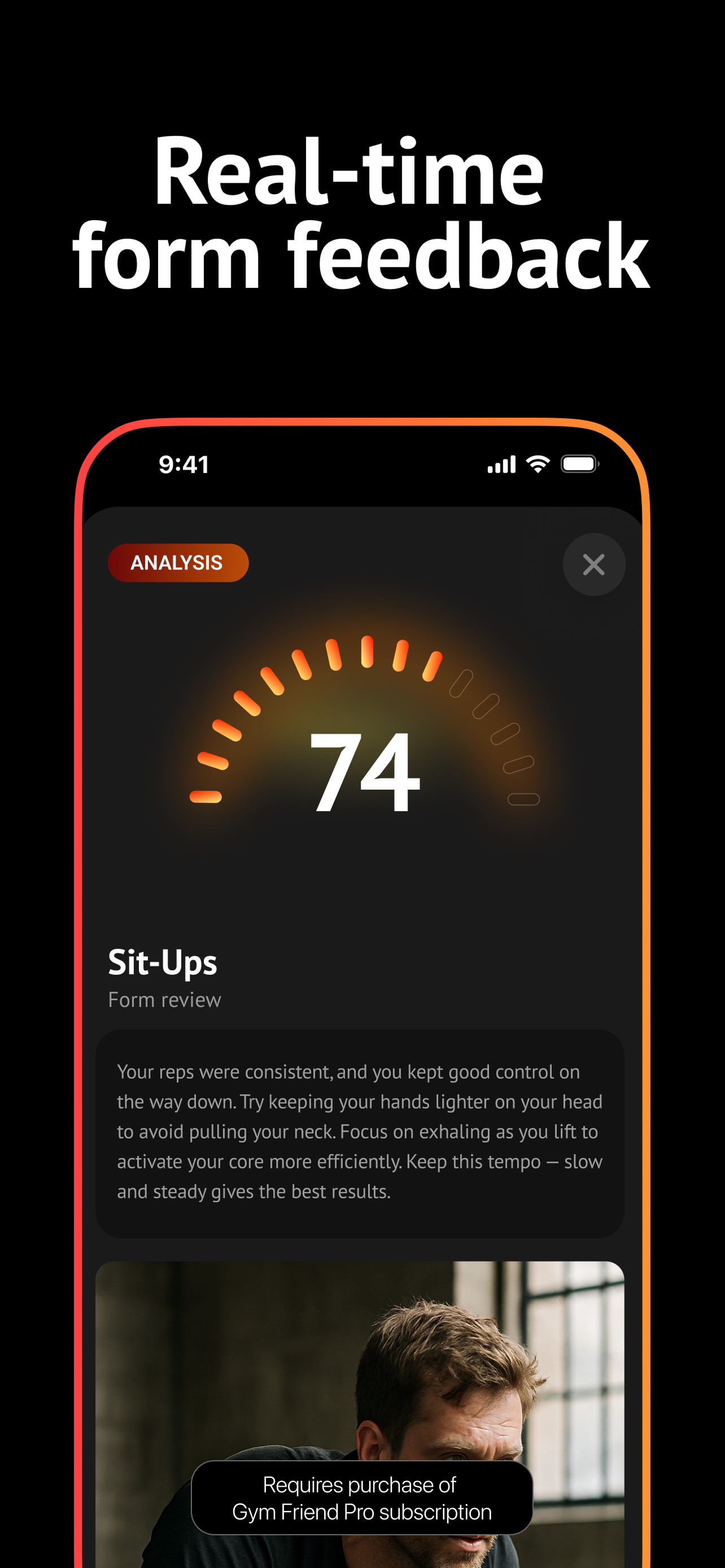
Edit your plan, track progress, and get realtime coaching
Frequently Asked Questions
Should I do PPL 3 or 6 days per week?
6 days is optimal for muscle growth if you can recover. Start with 3 days and progress to 6 when you handle the volume well and have the schedule for it.
Can beginners do PPL?
Yes, but full body 3x per week is often better for beginners. PPL becomes more beneficial once you need more volume per muscle group.
Where does deadlift fit in PPL?
Conventionally on pull day (it's a pull from the floor) or leg day (it's lower body dominant). Either works—pick one and be consistent.
How do I progress on PPL?
Add weight when you hit the top of your rep range for all sets. Small increments over time lead to significant strength.
Is PPL better than Upper/Lower?
Neither is inherently better. PPL allows more volume per session; Upper/Lower allows more frequency. Both build muscle effectively.