Leg Workouts for Women
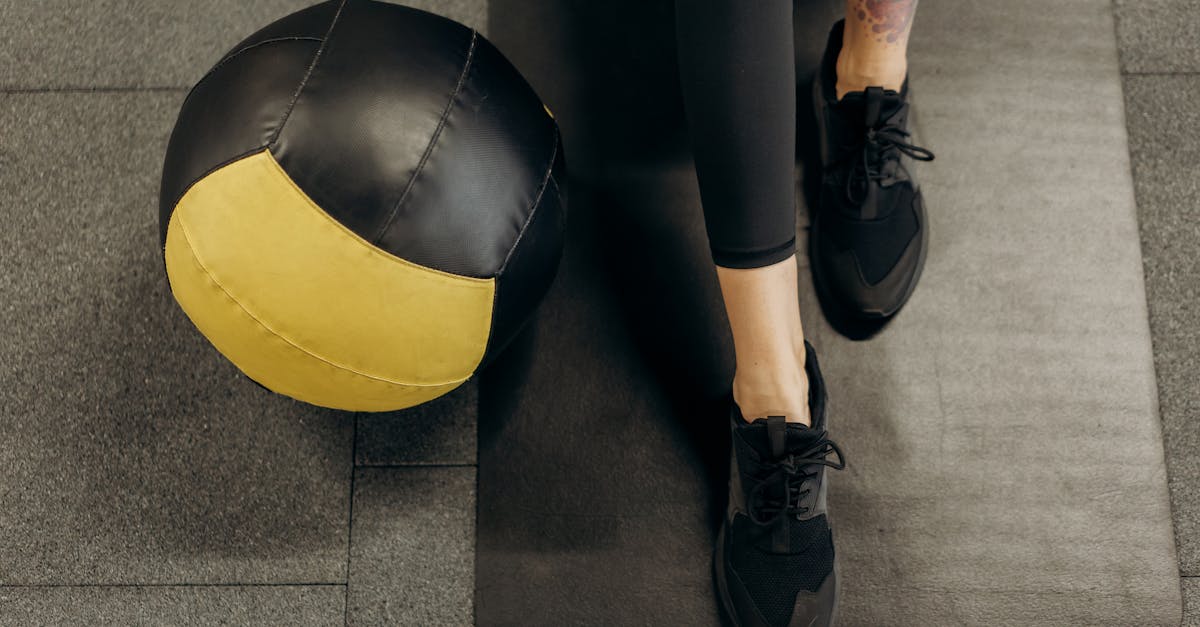
Strong legs are the foundation of everything—walking, running, climbing stairs, and looking your best in any outfit. Leg training also burns more calories than upper body work because your legs contain the largest muscles in your body. This program builds strength, shape, and definition in your quads, hamstrings, and glutes.
Understanding Leg Training
Your legs contain multiple muscle groups: quadriceps in the front, hamstrings in the back, glutes for the hip, and calves below the knee. Complete training addresses all of them for balanced development.
Women often focus only on glutes, neglecting quads and hamstrings. This creates muscle imbalances that can lead to knee pain and injury. Training all leg muscles together builds better shape and protects your joints.
Leg training won't make you bulky. Building significant leg size requires eating in a surplus and using very heavy weights over time. What you'll get is toned, defined legs with curves in the right places.
Benefits of Leg Training for Women
Toned Lower Body
Defined quads, hamstrings, and glutes that look great.
Calorie Burning
Large muscles mean more calories burned during and after workouts.
Functional Strength
Easier stairs, walking, and daily activities.
Injury Prevention
Strong legs protect your knees, hips, and back.
Athletic Performance
Better running, jumping, and sports performance.
Bone Health
Weight-bearing exercise maintains bone density.
Program Overview
Who it's for: Women wanting to build strong, defined legs
Don't have all this equipment? GymFriend can build you a custom program using whatever you have available.
Why These Exercises?
Each exercise in this program was selected for a specific reason. Here's why:
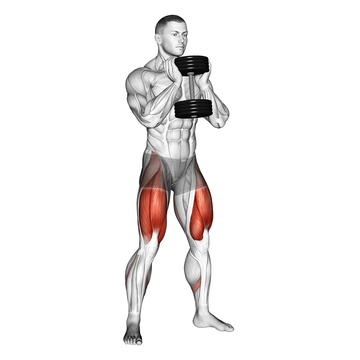
Dumbbell Goblet Squat
Complete leg development—quads, glutes, and hamstrings.
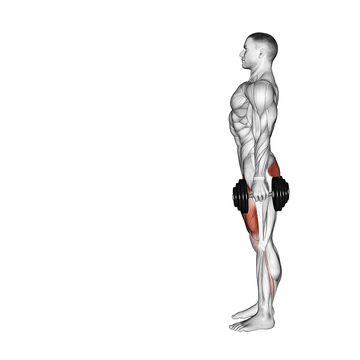
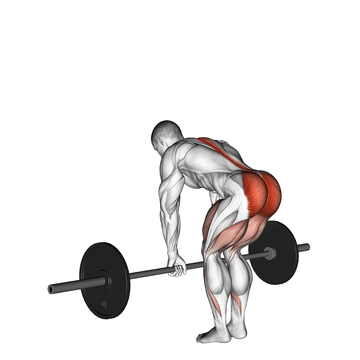
Barbell Romanian Deadlift
Hamstring and glute emphasis for the posterior chain.
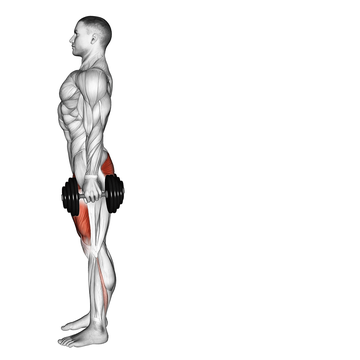
Dumbbell Lunge
Single-leg work for balance and glute development.
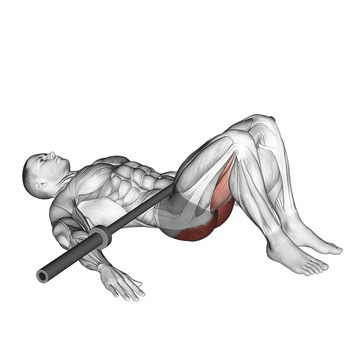
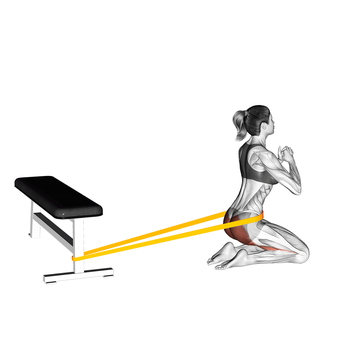
Barbell Glute Bridge
Glute isolation for shape and activation.
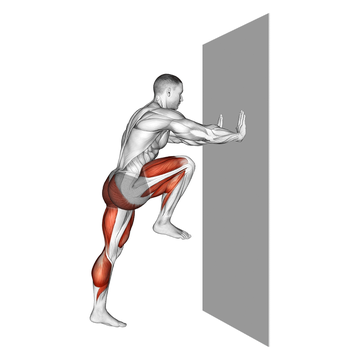
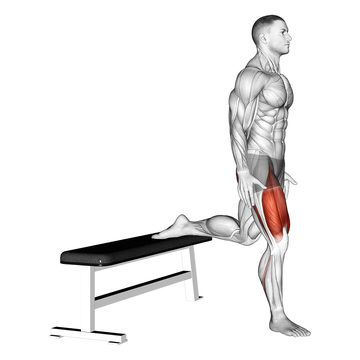
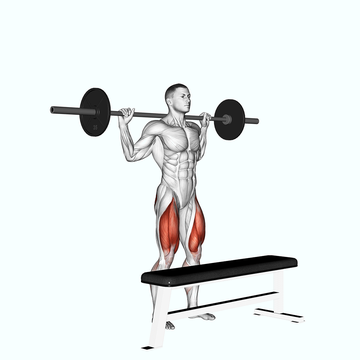
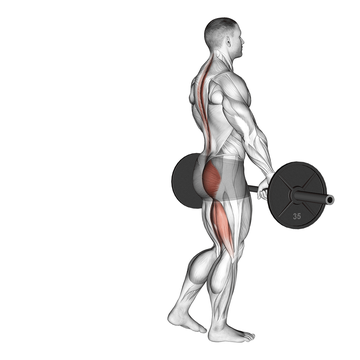
Barbell Step-up
Functional single-leg strength for daily activities.
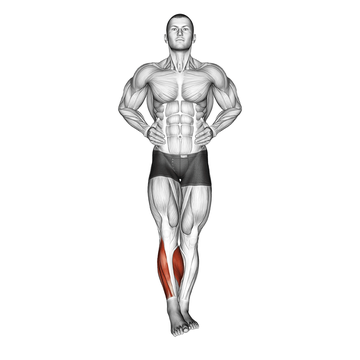
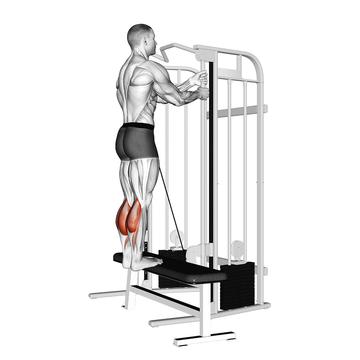
Cable Standing Calf Raise
Lower leg development for complete leg training.
The Complete 2-3 days Program
Follow this program consistently for best results. Start with weights that feel manageable and aim to increase gradually each week as you get stronger.
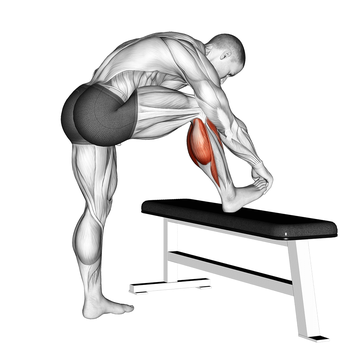
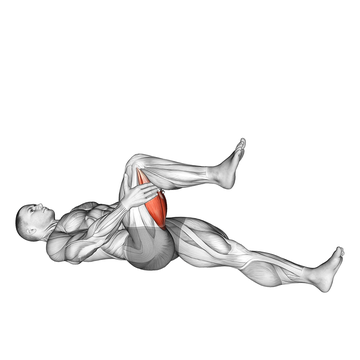
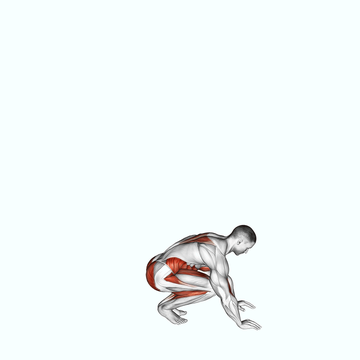
Want this program adjusted for your fitness level, goals, or schedule? GymFriend can create a personalized version just for you.
Building Strong Legs
- Don't skip any muscle group—balance creates the best shape.
- Squat depth matters. Go as low as your mobility allows.
- Feel your glutes working. If you don't, adjust your form.
- Progress weight gradually to continue building strength.
- Include both bilateral (both legs) and single-leg exercises.
- Allow 48-72 hours between leg sessions for recovery.
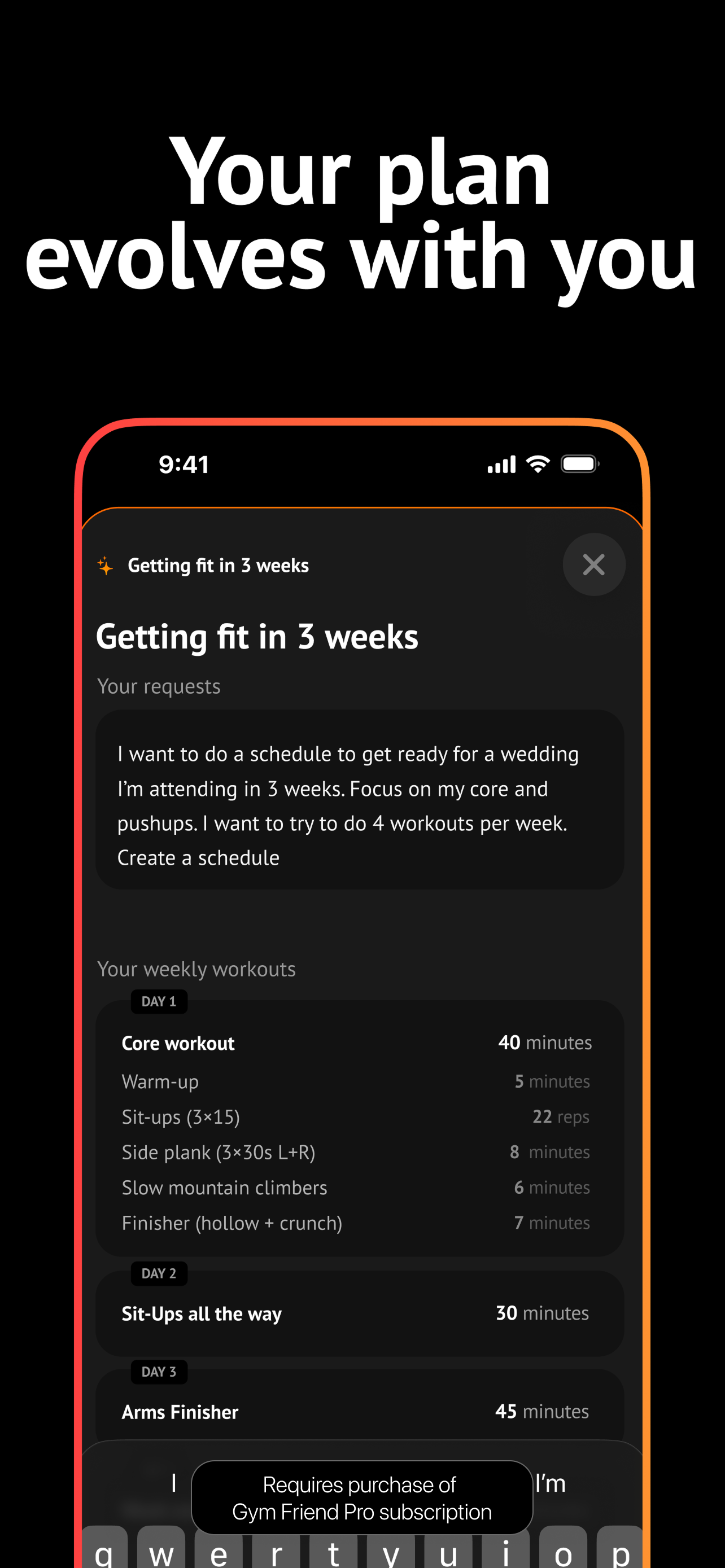
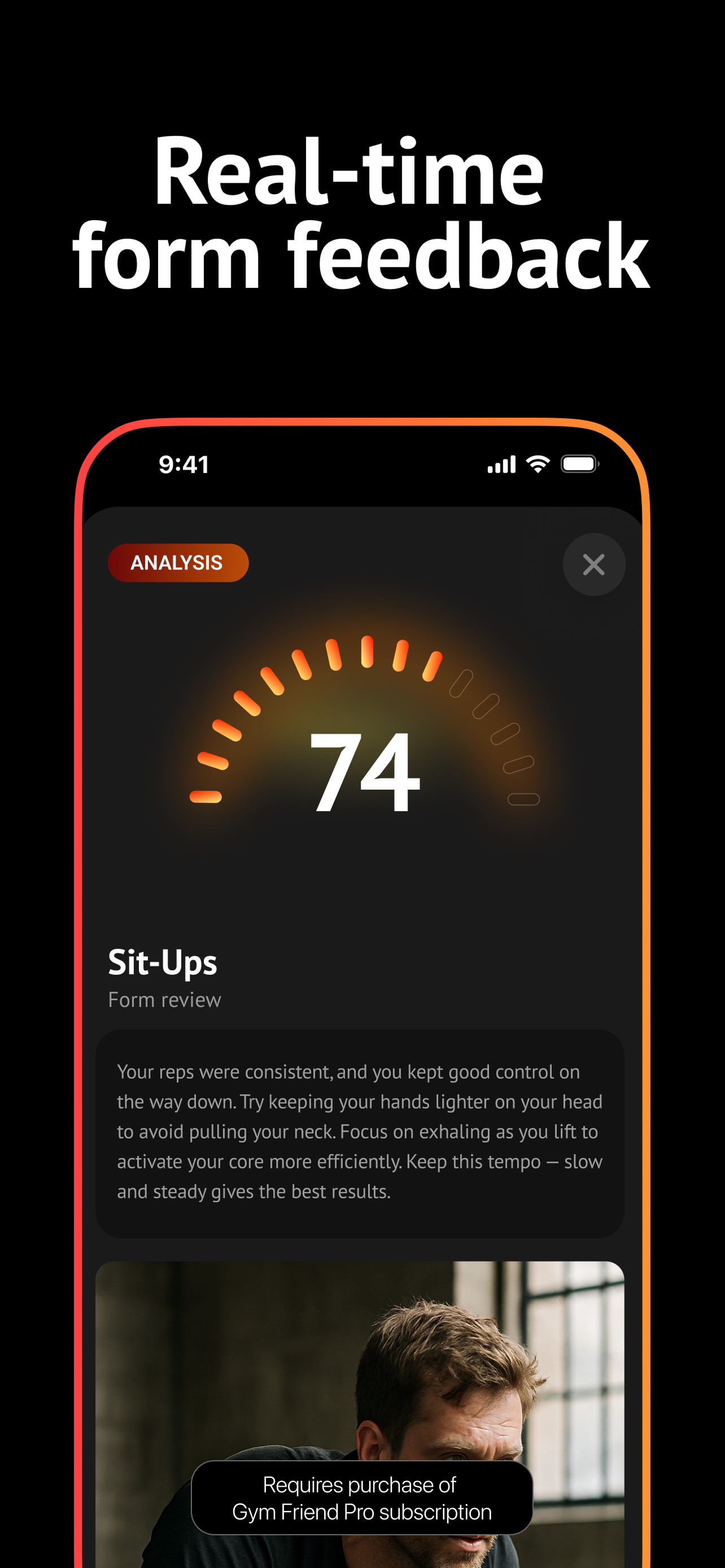
Edit your plan, track progress, and get realtime coaching

Frequently Asked Questions
Will leg training make my legs bulky?
No. Building bulky legs requires eating in a caloric surplus and lifting very heavy for years. You'll get toned, defined legs with nice shape.
Should I train legs if I run?
Yes—strength training improves running economy and reduces injury risk. Schedule leg day 2-3 days before hard runs to allow recovery.
Why do my legs shake during exercises?
Muscle fatigue and neural adaptation. This is normal, especially for beginners or when trying new exercises. It improves as you get stronger.
How often should I train legs?
2-3 times per week with at least 48 hours between sessions. Legs need recovery time because the muscles are large.
My knees hurt during squats. What should I do?
Check your form—knees should track over toes and not cave inward. Try goblet squats with lighter weight. If pain persists, see a professional.