HIIT for Fat Loss
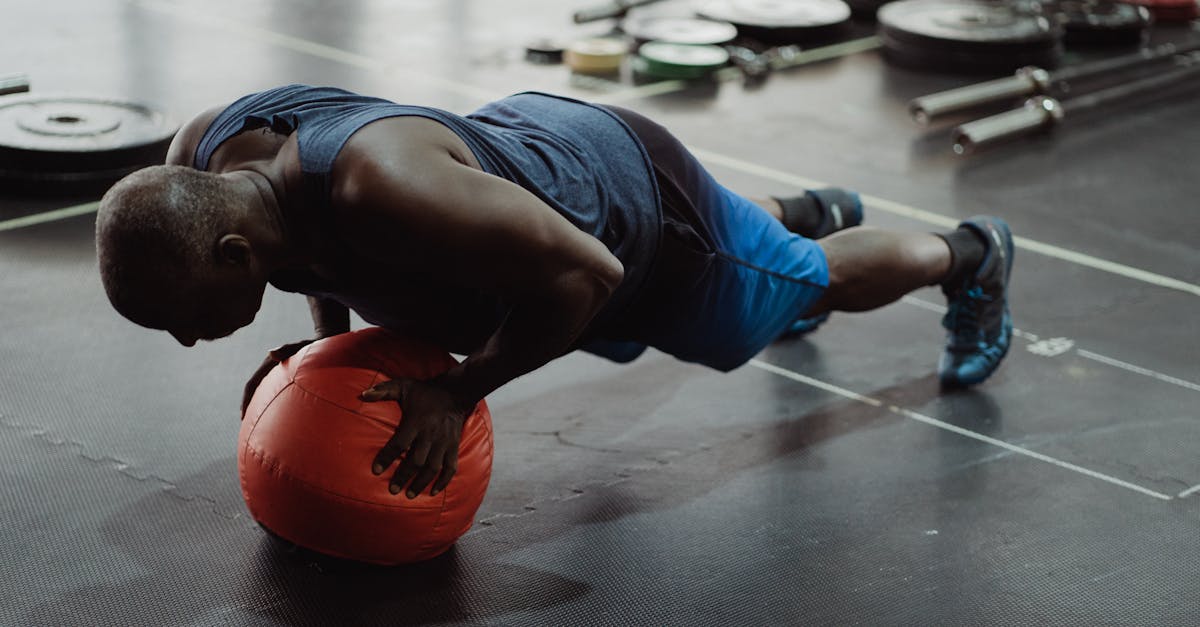
If your goal is fat loss, HIIT delivers results that hours of traditional cardio can't match. The science is clear: high-intensity interval training burns more calories per minute, keeps your metabolism elevated for hours after training, and preserves the muscle mass that keeps you burning fat at rest. This program is designed specifically to maximize the fat-burning effects of HIIT while building the work capacity to push harder over time.
The Science of HIIT Fat Loss
HIIT triggers a powerful metabolic response called EPOC (excess post-exercise oxygen consumption). Your body continues burning calories at an elevated rate for 24-48 hours after an intense HIIT session—burning hundreds of extra calories while you rest, sleep, and go about your day.
The intensity of HIIT also changes which fuels your body uses. High-intensity work accesses fat stores more effectively than moderate-intensity cardio, and the hormonal response favors fat burning over muscle breakdown.
Perhaps most importantly, HIIT preserves muscle mass during fat loss. Traditional cardio can catabolize muscle, lowering your metabolism. HIIT sends signals that maintain muscle while burning fat—exactly what you want during a fat loss phase.
Benefits of HIIT for Fat Loss
Maximum Afterburn
EPOC keeps your metabolism elevated for up to 48 hours after training.
Time Efficient
20-25 minutes produces better fat loss results than an hour of moderate cardio.
Muscle Preservation
Maintain metabolically active muscle tissue while burning fat.
Improved Fat Oxidation
High intensity increases your body's ability to use fat for fuel.
Better Insulin Sensitivity
Improved blood sugar regulation reduces fat storage.
Cardiovascular Fitness
Improve VO2 max faster than with steady-state training.
Program Overview
Who it's for: Anyone focused on maximizing fat loss through efficient training
Don't have all this equipment? GymFriend can build you a custom program using whatever you have available.
Why These Exercises?
Each exercise in this program was selected for a specific reason. Here's why:
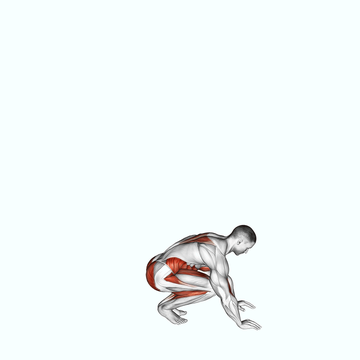
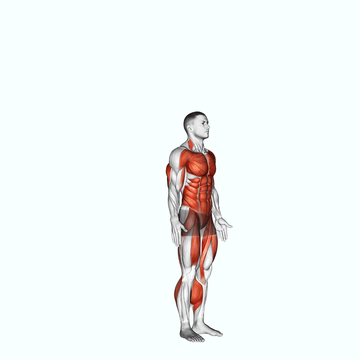
Burpee
Highest calorie burn per rep. Full body movement that challenges everything.
Kettlebell Swing
Combines strength and cardio for maximum metabolic impact.
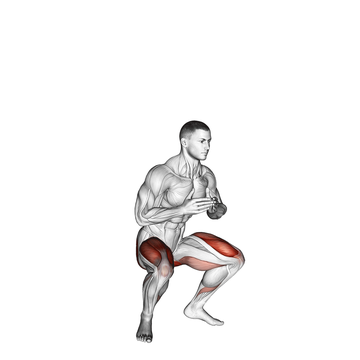
Jump Squat
Lower body power with high calorie expenditure.
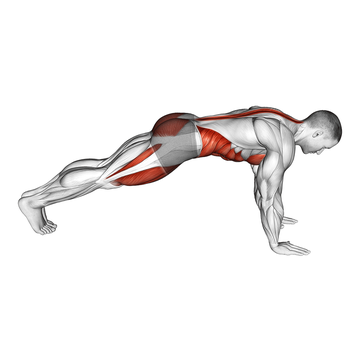
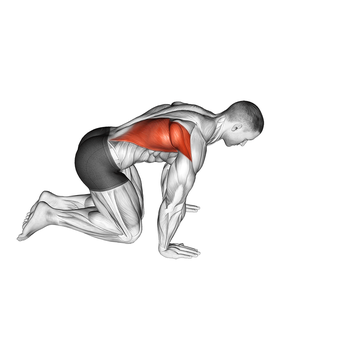
Mountain Climber
Core and cardio intensity without the impact of jumping.
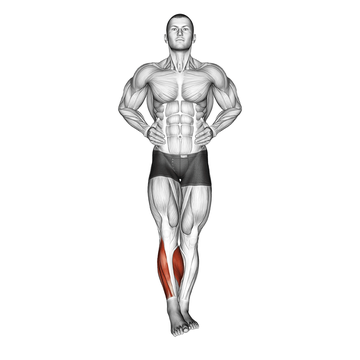
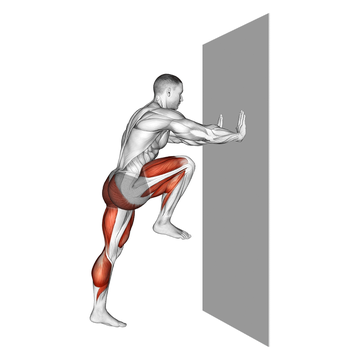
High Knee Against Wall
Sustained cardio movement that's easy to scale.
Walking On Incline Treadmill
Full body cardio with minimal impact. Perfect for intervals.
The Complete 3 days (never consecutive days) Program
Follow this program consistently for best results. Start with weights that feel manageable and aim to increase gradually each week as you get stronger.
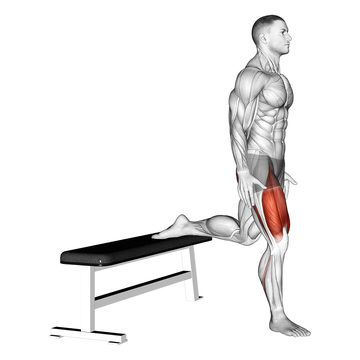
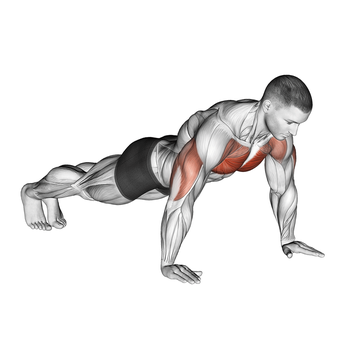
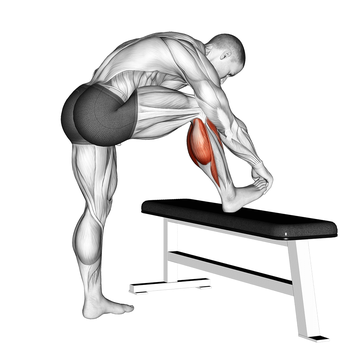
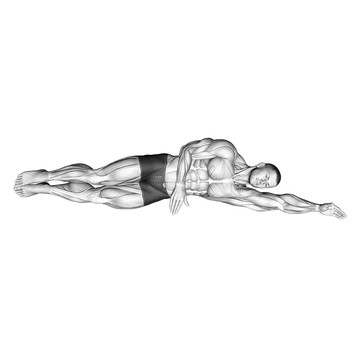
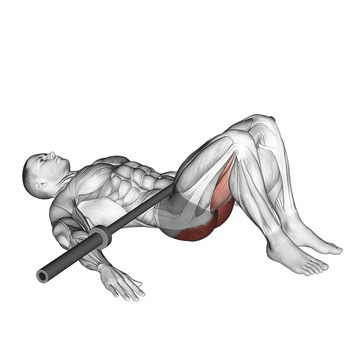
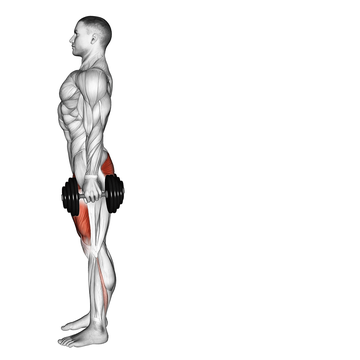
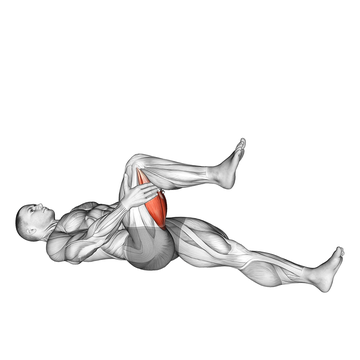
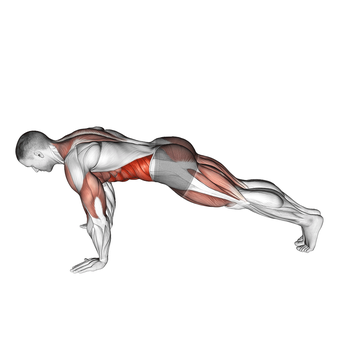
Want this program adjusted for your fitness level, goals, or schedule? GymFriend can create a personalized version just for you.
Optimizing HIIT for Fat Loss
- Create a moderate caloric deficit (300-500 calories). HIIT works best with proper nutrition.
- Push to true high intensity during work intervals (85-95% effort).
- Allow full recovery between HIIT sessions. Overtraining sabotages fat loss.
- Maintain some strength training to preserve muscle mass.
- Track progress through measurements and photos, not just scale weight.
- Sleep 7-8 hours nightly. Poor sleep impairs fat loss and recovery.
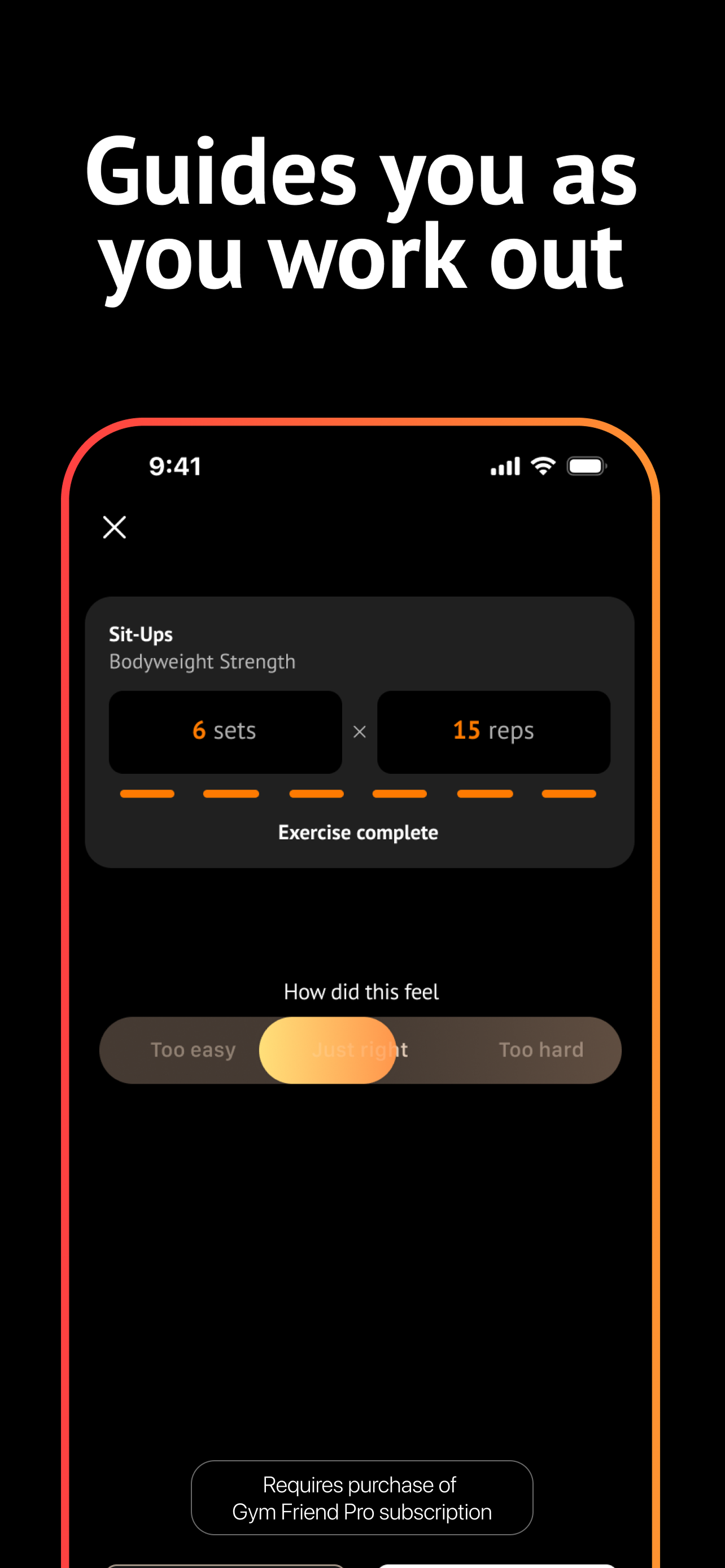
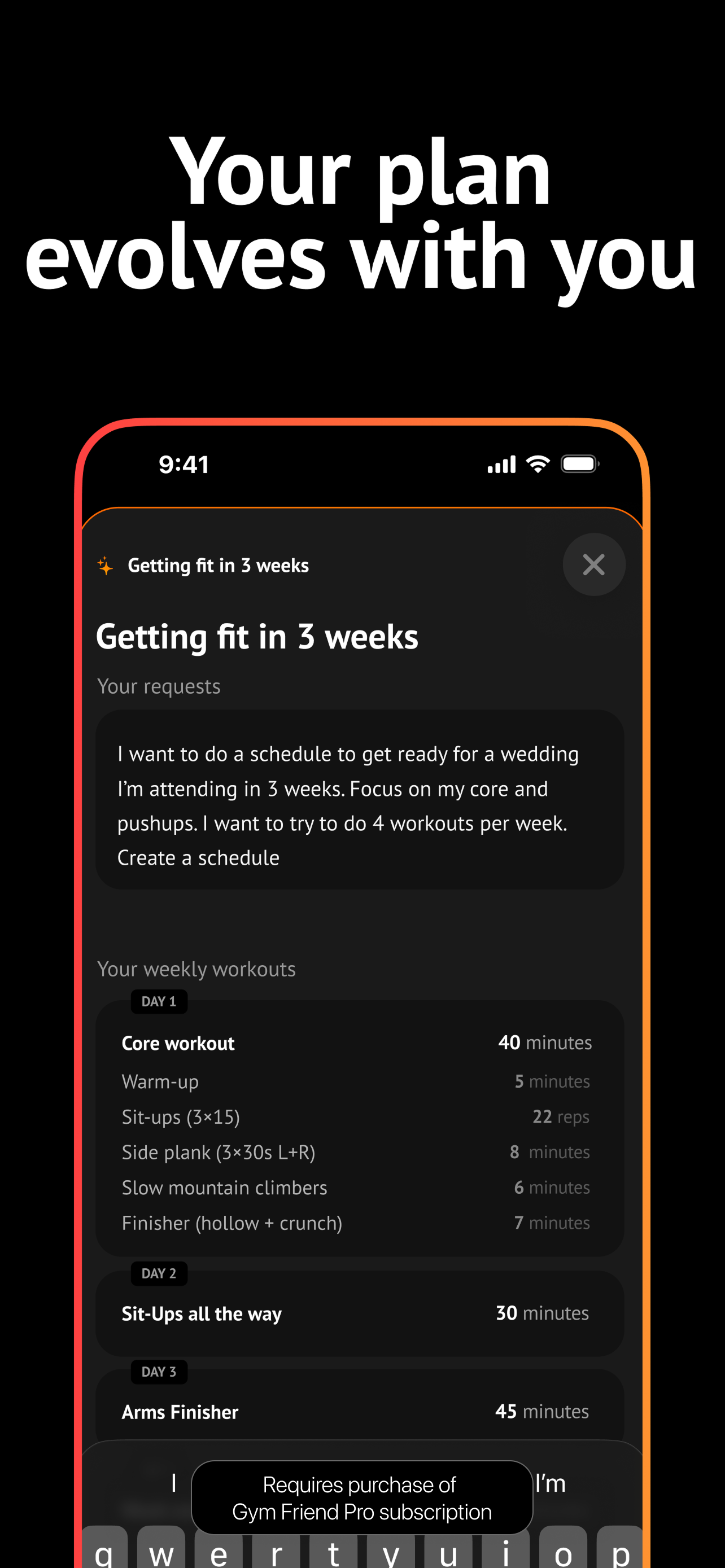
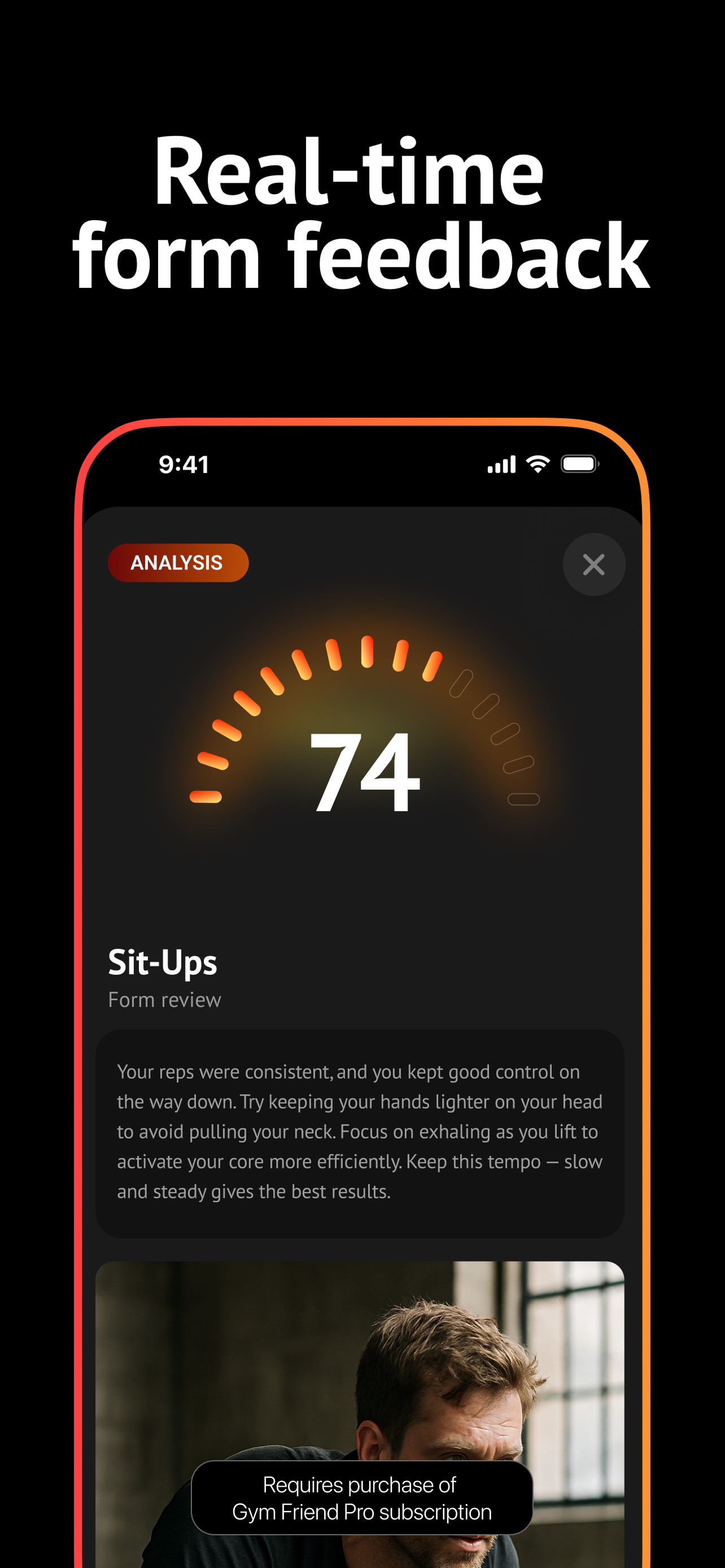
Edit your plan, track progress, and get realtime coaching

Frequently Asked Questions
Is HIIT the best cardio for fat loss?
For time efficiency, yes. HIIT burns more calories per minute and creates longer afterburn than steady-state cardio. However, the best cardio is ultimately the one you'll do consistently.
How many HIIT sessions per week for fat loss?
3 sessions per week is optimal. More than that can lead to overtraining, which actually impairs fat loss through elevated cortisol and poor recovery.
Should I do HIIT fasted?
Not necessary. Research shows minimal difference in fat loss between fasted and fed HIIT. Train when you have the most energy to push hardest—intensity matters more than timing.
Can I do HIIT if I'm very overweight?
Yes, with modifications. Use low-impact exercises (mountain climbers instead of burpees) and longer rest periods. As fitness improves, progress to more challenging versions.
How long until I see fat loss results?
With proper nutrition, you may notice changes within 2-3 weeks. Significant visible fat loss typically requires 6-8 weeks of consistent training and caloric deficit.